

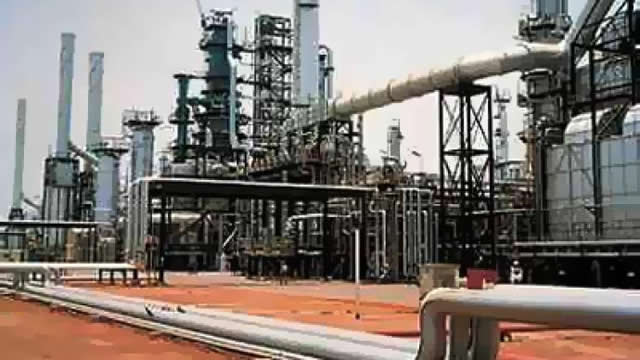
By Peter Omopo | September 21, 2025.VDespite over $3bn spent on rehabilitation contracts, Nigeria’s state-owned refineries in Port Harcourt, Warri, and Kaduna remain dormant, raising fresh concerns over mismanagement and waste.
Findings by Sunday PUNCH revealed that workers at the plants often resume and close at will, with little or no work to carry out, as operations remain stalled. The matter has drawn the attention of the Economic and Financial Crimes Commission (EFCC), which is probing allegations of massive fund mismanagement.
Longstanding Struggles
Nigeria, Africa’s top oil producer, has battled for decades with its ailing refineries, despite repeated promises of turnaround maintenance. The continued reliance on imported petroleum products has drained national revenues and fueled corruption allegations.
The Nigerian National Petroleum Company Limited (NNPCL) has overseen multiple rehabilitation attempts since the early 2000s, yet deadlines have consistently been missed. In 2021, the federal government approved $1.5bn for the rehabilitation of the Port Harcourt refinery, part of a broader $3bn package for all three major plants.
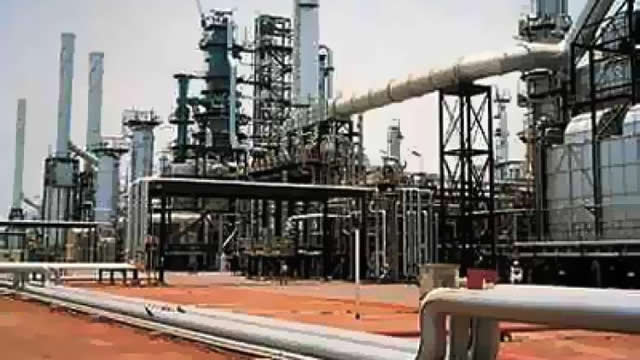
Port Harcourt: From Hope to Halt
The Port Harcourt Refining Company (PHRC), with a combined capacity of 210,000 barrels per day, was touted for revival in November 2024, when then-NNPCL Group Chief Executive Officer Mele Kyari announced operations at 70 per cent capacity. At the time, projections promised daily output of 1.5 million litres of diesel, 2.1 million litres of low-pour fuel oil, 1.4 million litres of petrol, and 900,000 litres of kerosene.
However, operations were short-lived. By May 2025, the facility was shut for “routine maintenance,” initially slated for 30 days. Stakeholders, including the Host Community Bulk Petroleum Retailers Association, expressed frustration at the prolonged inactivity, accusing authorities of “taking Nigerians for granted.”
Subsequent visits by journalists revealed idle workers and an empty truck park at the PHRC depot, with no loading of petrol or kerosene. Only diesel, from old stock, was being lifted. By August 2025, NNPCL admitted errors in the rehabilitation process and conceded that the work remained incomplete.
Warri and Kaduna: Same Story
The Warri Refinery in Delta State and the Kaduna Refinery have also remained moribund despite receiving significant portions of the rehabilitation funds. Both plants, once central to Nigeria’s fuel supply chain, are now effectively dormant, with employees largely idle.
EFCC Steps In
In May 2025, the EFCC interrogated recently sacked managing directors and senior officials of NNPCL over alleged mismanagement of the $3bn refinery rehabilitation funds. Investigations are ongoing.
National Implications
The failure to revive the refineries has renewed debates about Nigeria’s energy security. Despite sitting on vast crude oil reserves, the country continues to import nearly all its refined fuel, leaving citizens vulnerable to inflation, forex instability, and fuel scarcity.
Industry analysts warn that the collapse of the rehabilitation effort undermines public confidence and risks worsening Nigeria’s already fragile economy.
“What we see here is a tragic cycle of broken promises,” said one petroleum marketer at the PHRC depot. “Billions have been spent, but Nigerians are still buying imported fuel. It is regrettable.
