

By Peter Omopo
Finance ministers of the Group of Seven (G7) nations are set to discuss the possible release of strategic oil reserves as part of efforts to stabilise global energy markets affected by the ongoing Middle East crisis.
A French government source disclosed that the option would be considered during a meeting scheduled for Monday afternoon in Paris.
The Financial Times earlier reported that G7 finance ministers planned to deliberate on a coordinated release of strategic oil reserves through the International Energy Agency.
According to the French finance ministry, the meeting will review recent developments in the Gulf region from an economic perspective, particularly the impact of the escalating conflict on global energy supplies.
“The use of strategic reserves is an option being considered,” the government source said.
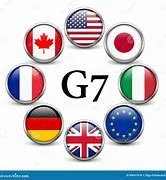
France currently holds the rotating presidency of the G7, which comprises Canada, Germany, Italy, Japan, the United Kingdom, the United States, and France.
Global financial markets reacted sharply to the crisis, with Asian stock markets dropping on Monday as oil prices surged by about 30 percent amid fears of supply disruptions from the Middle East.
However, the spike in oil prices eased slightly following reports that some G7 countries, including the United States, support a coordinated release of emergency oil reserves.
US President Donald Trump described the surge in oil prices as a temporary consequence of efforts to eliminate Iran’s nuclear threat, stating that the increase was “a small price to pay.”
The International Energy Agency, established after the 1973 oil crisis to manage global energy supply disruptions, requires member countries to maintain emergency oil stocks equivalent to at least 90 days of net oil imports. These reserves are held either directly by governments or through private companies.
The proposed move is aimed at cushioning the global economy from potential energy supply shocks as tensions in the Middle East continue to escalate.
