


By Bishop Sahr Isaac Peterson
Some conversations do not end when the phone call is over. They linger in the heart, echo in the mind, and quietly reshape one’s thinking. Such was my conversation last night with Rashidat Ajakaye, the youngest female lecturer in the Department of Languages at the University of Lagos, Nigeria, and one of the most inspiring young literary voices in contemporary African academia.
What began as a simple exchange soon blossomed into a profound encounter with wisdom, confidence, and literary insight.
I had asked her a question that has weighed heavily on many writers in this digital age: How do you respond to people who question the originality of your work simply because it is excellent? In a world where brilliance is too often met with suspicion, this concern is not unfamiliar to serious writers and scholars.
Her response was as elegant as it was liberating:
“You don’t have to always prove a point. Let the evidence show forth.”
Those words struck me with unusual force.
In that single sentence lay a lesson many of us spend years trying to learn—that not every critic deserves a defense, and not every doubt requires an argument. Sometimes, excellence is its own testimony. Consistency, discipline, and visible results remain the most eloquent proof of authenticity.
Her counsel brought me peace.
It reminded me that true writers are not called to endless self-defense, but to the patient, relentless pursuit of mastery. In time, the work itself becomes the witness.
Our discussion moved naturally into the dignity of the literary craft. Rashidat spoke passionately about writing not as a hobby to be hidden, but as a gift to be embraced with confidence. She insisted that writers should never diminish their talent or apologize for their brilliance.
At first, I found this perspective surprising. I have always associated writing with quiet humility. Yet the more she spoke, the clearer it became that confidence in one’s gift is not pride—it is an acknowledgment of the discipline, sacrifice, and labour that great writing demands.
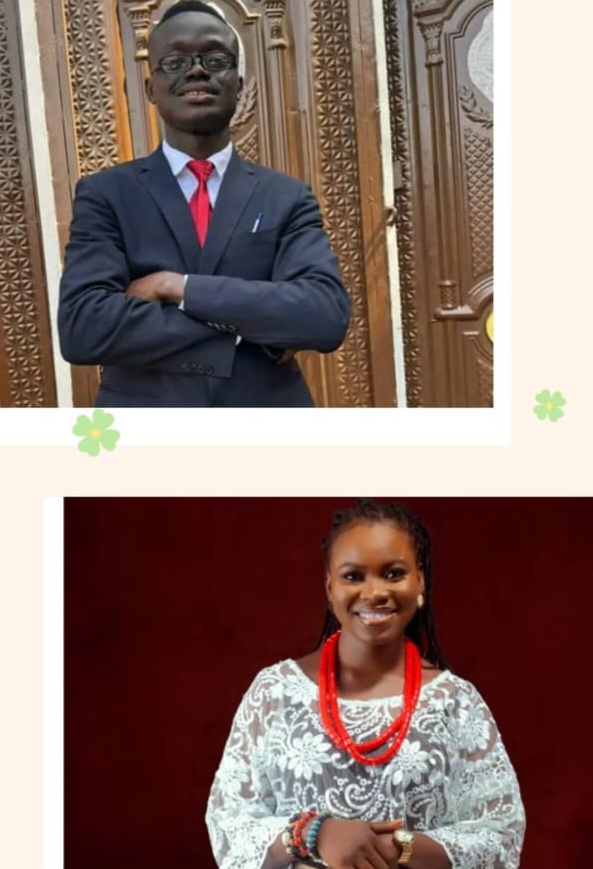
A writer must not shrink from the power of their own voice.
I was equally inspired to learn that she will serve as moderator for the 12th Edition of the Author’s Hub Programme on 25th April, 2026. Such a role further reflects her growing influence within literary and academic circles. To excel simultaneously as lecturer, journalist, writer, and literary convener is no ordinary accomplishment.
Our conversation then took a deeply personal turn when she spoke warmly about, my beloved homeland.
She described it as a nation richly woven with storytelling traditions and admired its enduring culture of peaceful coexistence among people of different faiths—Islam, Christianity, and others. Her words filled me with pride, for sometimes it takes an outsider’s admiration to remind us of the beauty of our own land.
She also praised the welcoming spirit of our people, describing Sierra Leone as a place where strangers are received with warmth and humanity. In an increasingly divided world, such a reputation is both rare and precious.
As our conversation drew to a close, we spoke briefly about my desire to visit someday. Though brief, that moment felt symbolic—a bridge between two literary minds and two West African nations bound by culture, language, and shared creative aspirations.
Reflecting on the entire exchange, I came away with renewed admiration for Rashidat Ajakaye.
She is not merely a lecturer.
She is a mentor, a cultivator of talent, and a builder of literary communities. For one so young to have achieved so much speaks volumes about her discipline, determination, and commitment to excellence.
Above all, she reminded me of a truth every writer must hold dear:
You do not always need to defend your gift. Let your work speak. Let your evidence show forth.
For that wisdom, I remain profoundly grateful.
Thank you, Rashidat Ajakaye.
— Bishop Sahr Isaac Peterson
English Consultant | Literary Analyst | Voice of Africa
