

By Peter Omopo
High-level talks between the United States and Iran have ended without an agreement to halt the ongoing conflict in the Middle East, with US Vice President JD Vance confirming that negotiations concluded with no breakthrough.
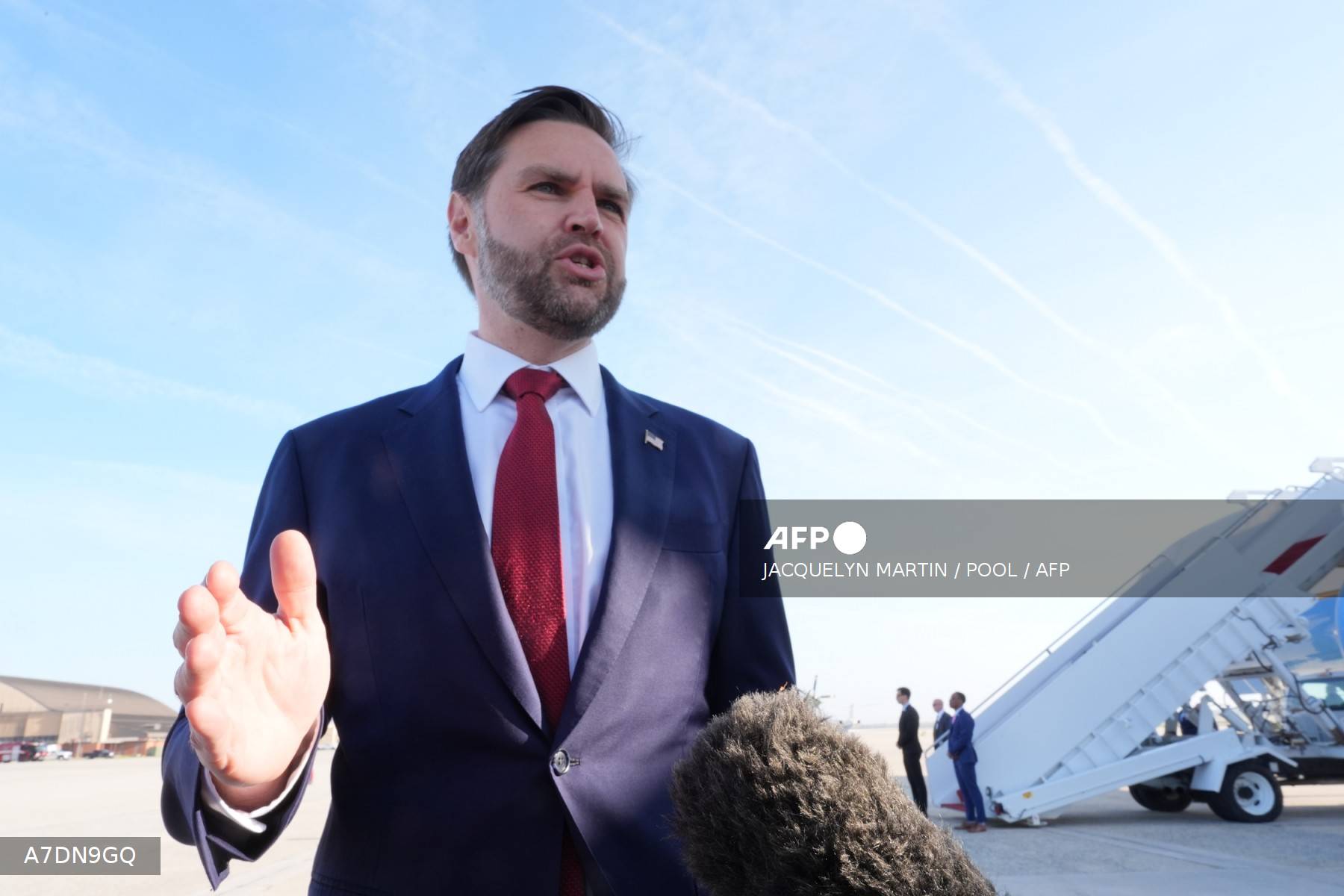
Speaking after more than 20 hours of discussions in Islamabad, Vance said Washington had presented what he described as its “final and best offer” to Tehran, stressing that the United States was seeking a firm commitment from Iran to abandon any pursuit of nuclear weapons.
“We leave here with a very simple proposal… we’ll see if the Iranians accept it,” Vance told reporters before departing Pakistan, which hosted and mediated the talks.
The negotiations marked the highest-level engagement between both countries since the 1979 Islamic Revolution but were overshadowed by deep mistrust and sharply opposing positions.
While the US signalled willingness to continue diplomatic engagement, Iranian officials accused Washington of making “unreasonable demands.” Iran’s foreign ministry, however, noted that reaching a deal after weeks of conflict was unlikely within a single meeting.
The talks followed a temporary pause in hostilities involving the United States and Israel, with Washington earlier indicating a two-week window for negotiations. Pakistan has urged both sides to maintain the ceasefire and pledged to continue facilitating dialogue.
The conflict, which escalated after joint US and Israeli strikes on Iran in February, has disrupted global markets and heightened tensions across the region. Iran’s control of the strategic Strait of Hormuz—a key global oil transit route—has further intensified economic concerns, with oil prices surging amid fears of prolonged instability.
US President Donald Trump maintained a hardline stance during the talks, asserting that the United States had already achieved military success, regardless of whether a deal is reached.
Iran, on its part, has demanded the lifting of sanctions, access to frozen assets, and an end to Israeli military actions in the region—conditions Washington has largely ruled out in the current negotiations.
Meanwhile, tensions remain high beyond Iran, particularly in Lebanon, where Israeli military operations against Hezbollah have continued despite the broader ceasefire discussions. Lebanese authorities reported fresh casualties from recent strikes, further complicating peace efforts.
Although no agreement was reached, diplomatic efforts are expected to continue, with Pakistan reiterating its commitment to mediating between both sides in the coming days.
