By Sola Ojewusi
From the ashes of defeat against Poland to the summit of world football, Nigeria’s fearless teenage queens dismantled some of the biggest names in women’s youth football before bringing Japan to its knees in a thrilling 2–1 final victory in Rabat, Morocco. It was a triumph of character, courage, tactical brilliance and an unbreakable Nigerian spirit. Africa has a new generation of world champions!
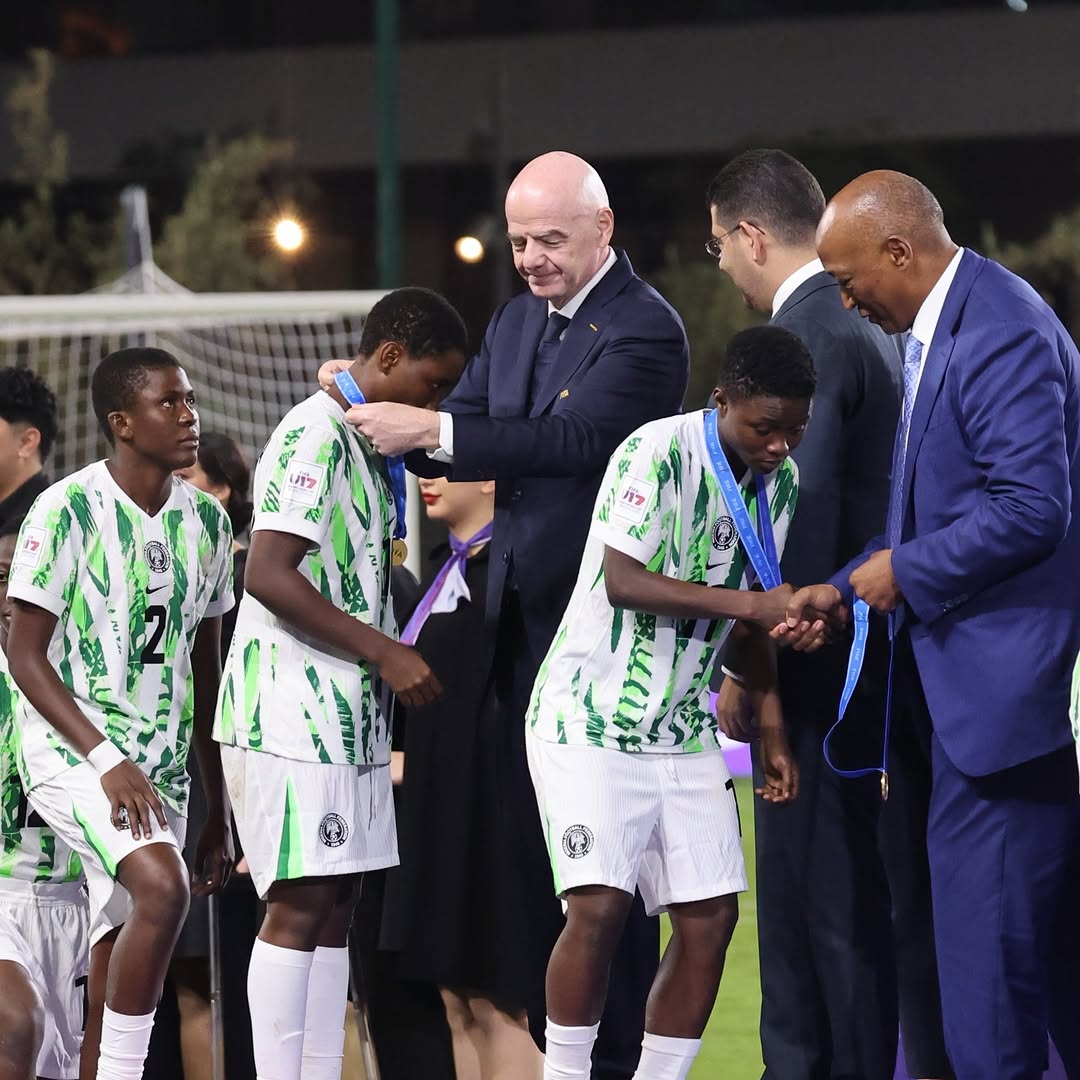
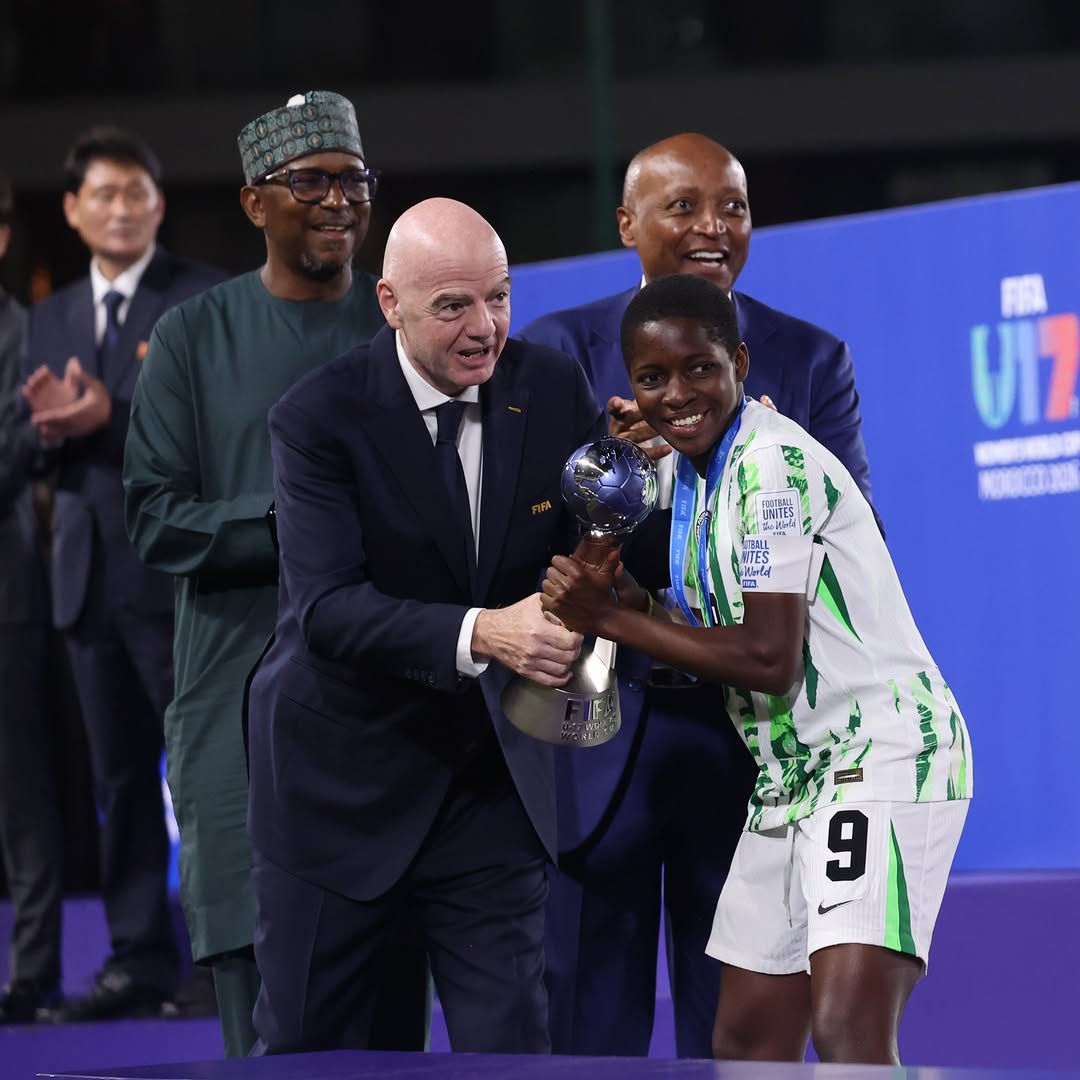
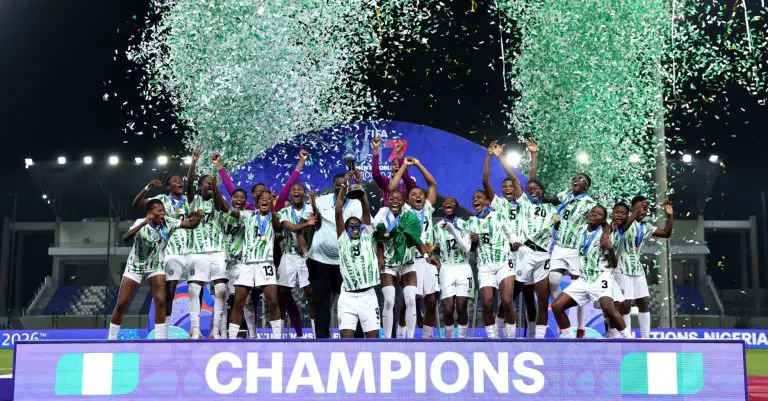
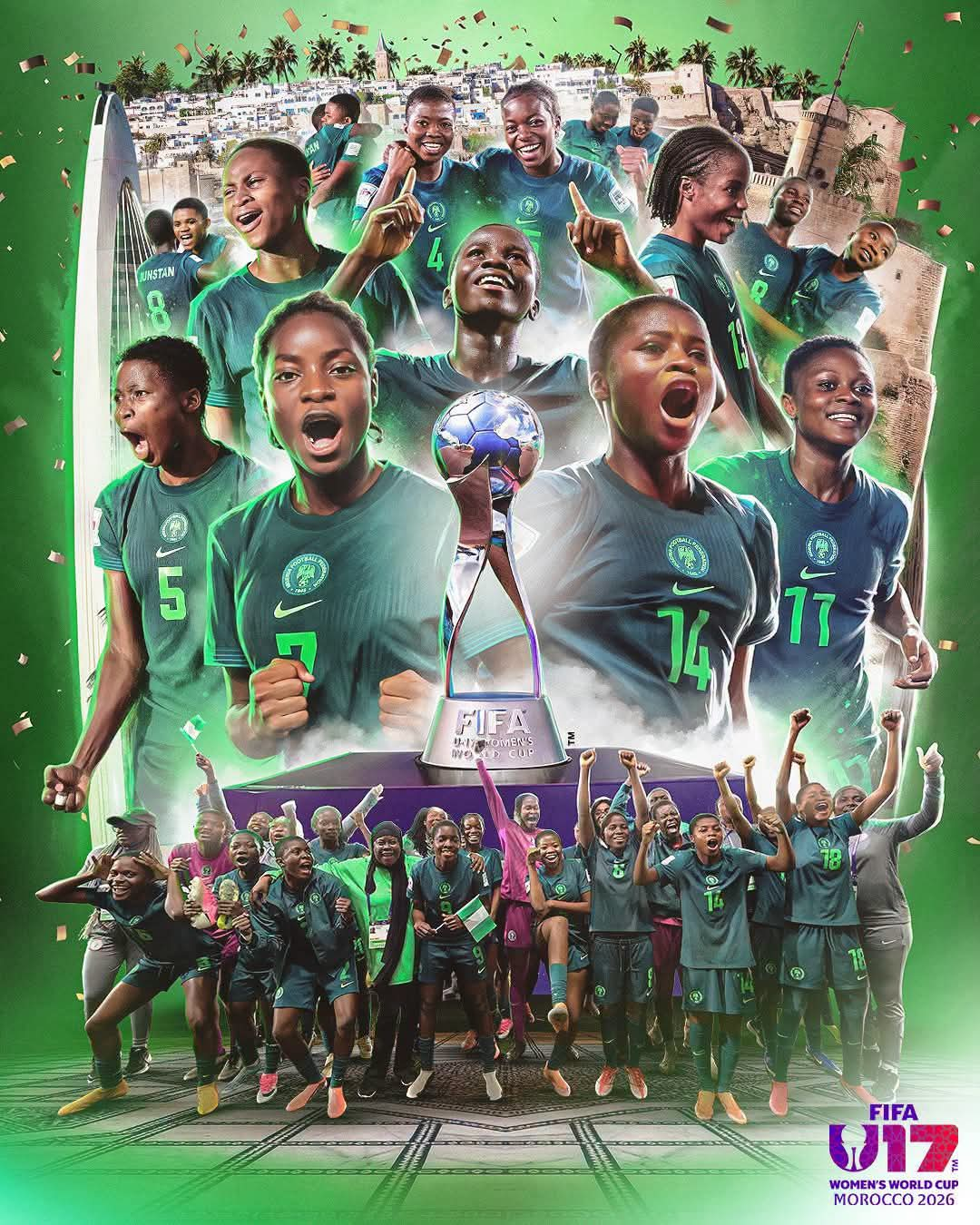
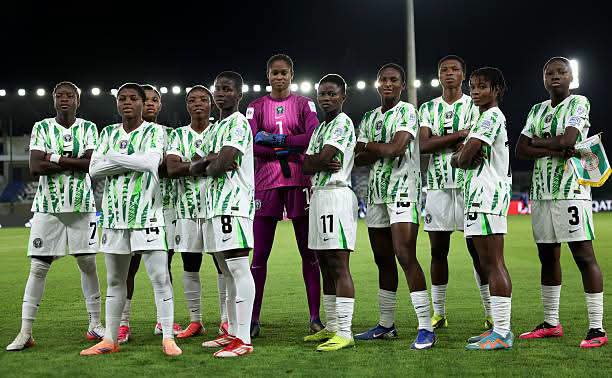
RABAT, MOROCCO — November 7, 2026, will forever occupy a special place in the history of Nigerian sports and African football. On a memorable evening at the Mohammed VI Football Complex in Rabat, Morocco, Nigeria’s U-17 women’s national football team, the Flamingos, achieved what no African country had ever accomplished: winning the FIFA U-17 Women’s World Cup.
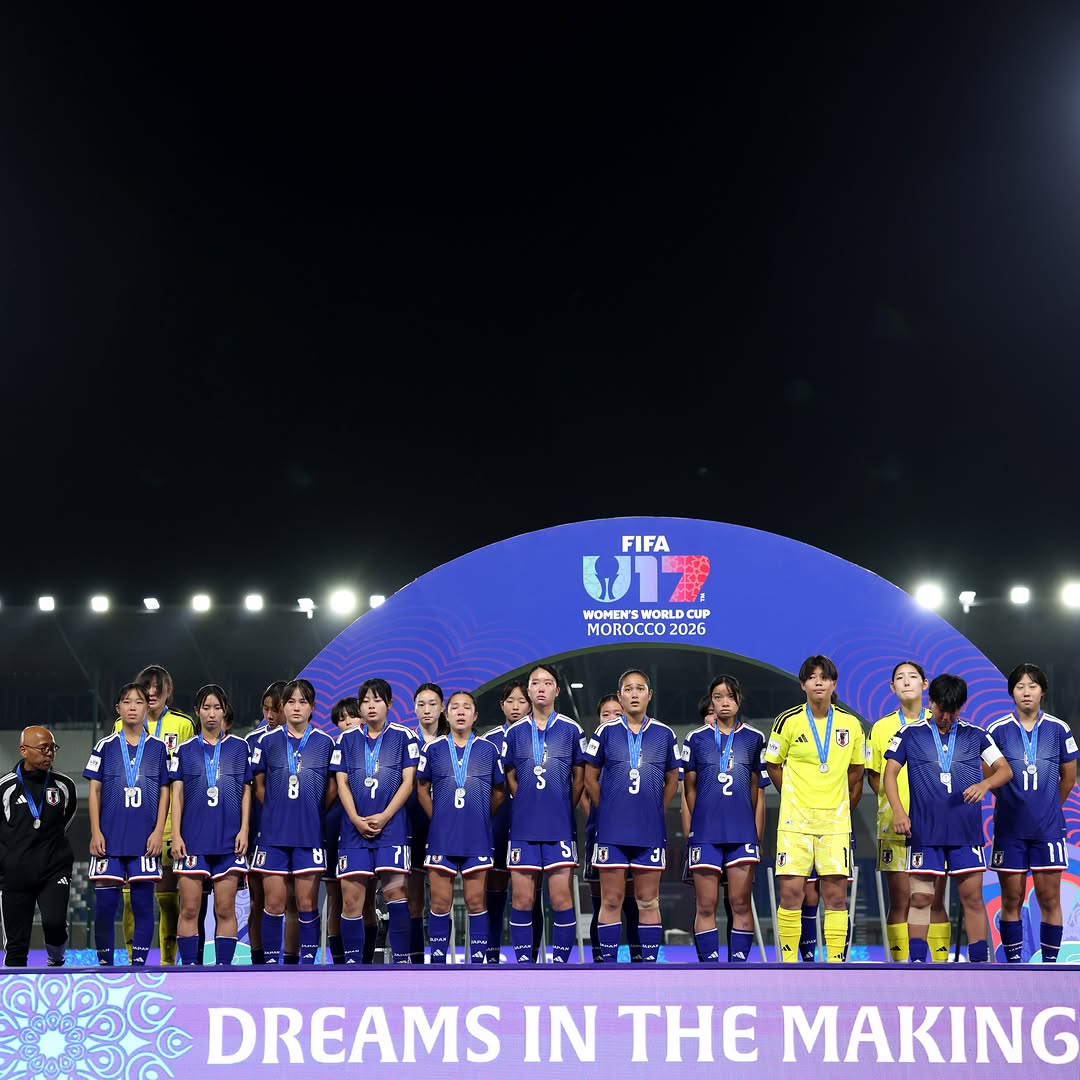
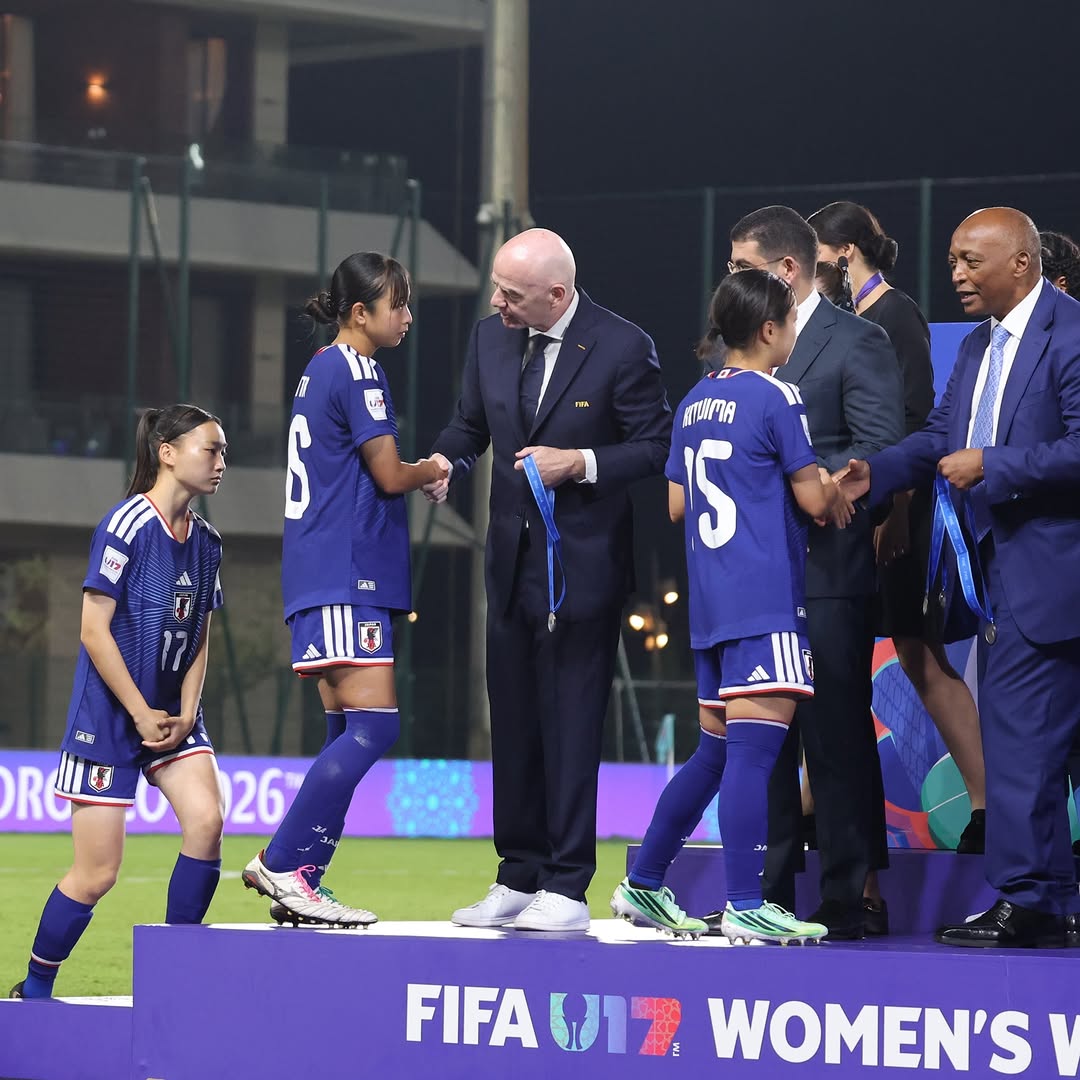
With a magnificent 2–1 victory over Japan in the final, the Nigerian girls did not merely lift a trophy; they broke a continental barrier, overturned footballing expectations and announced the arrival of a formidable new generation of Nigerian female footballers on the global stage.
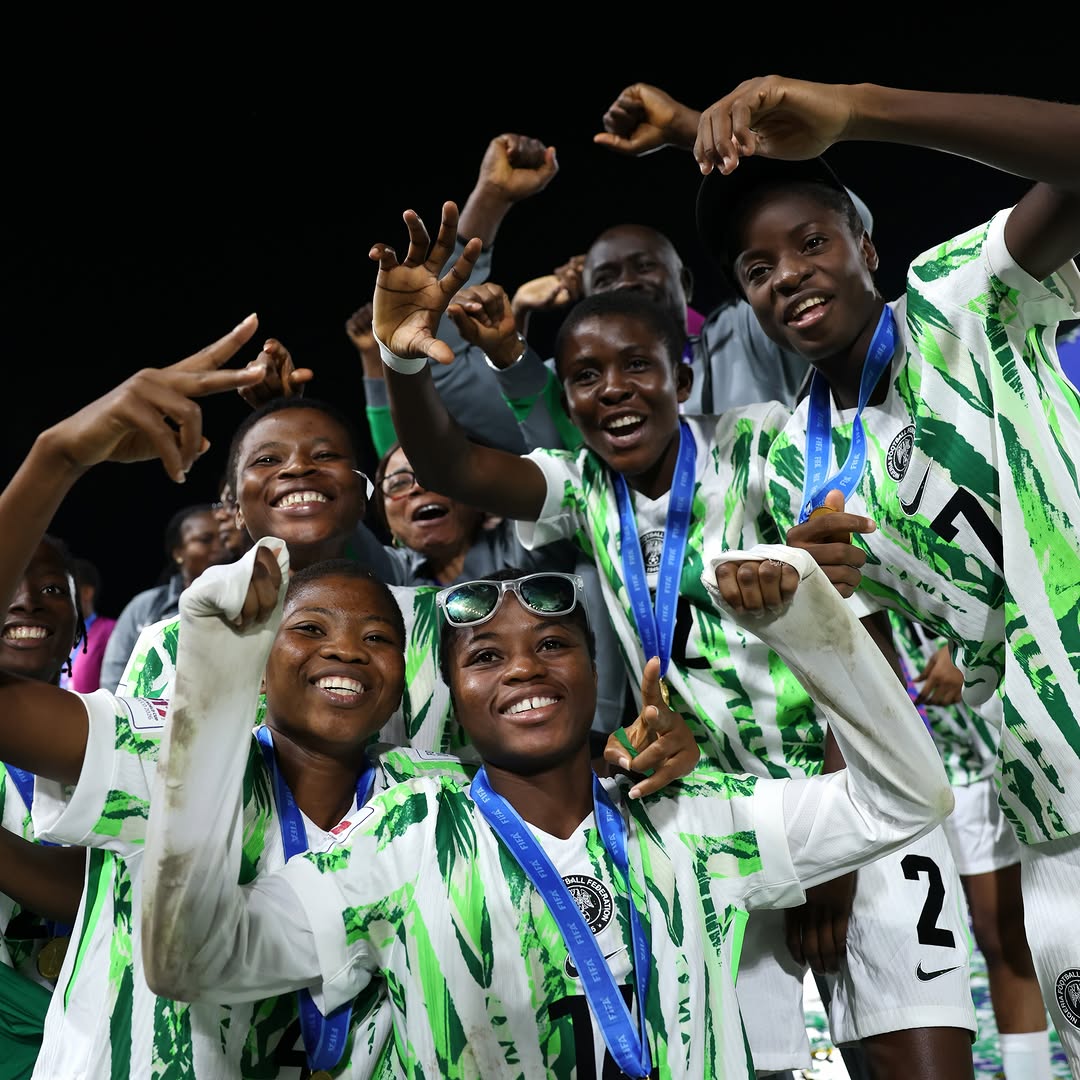
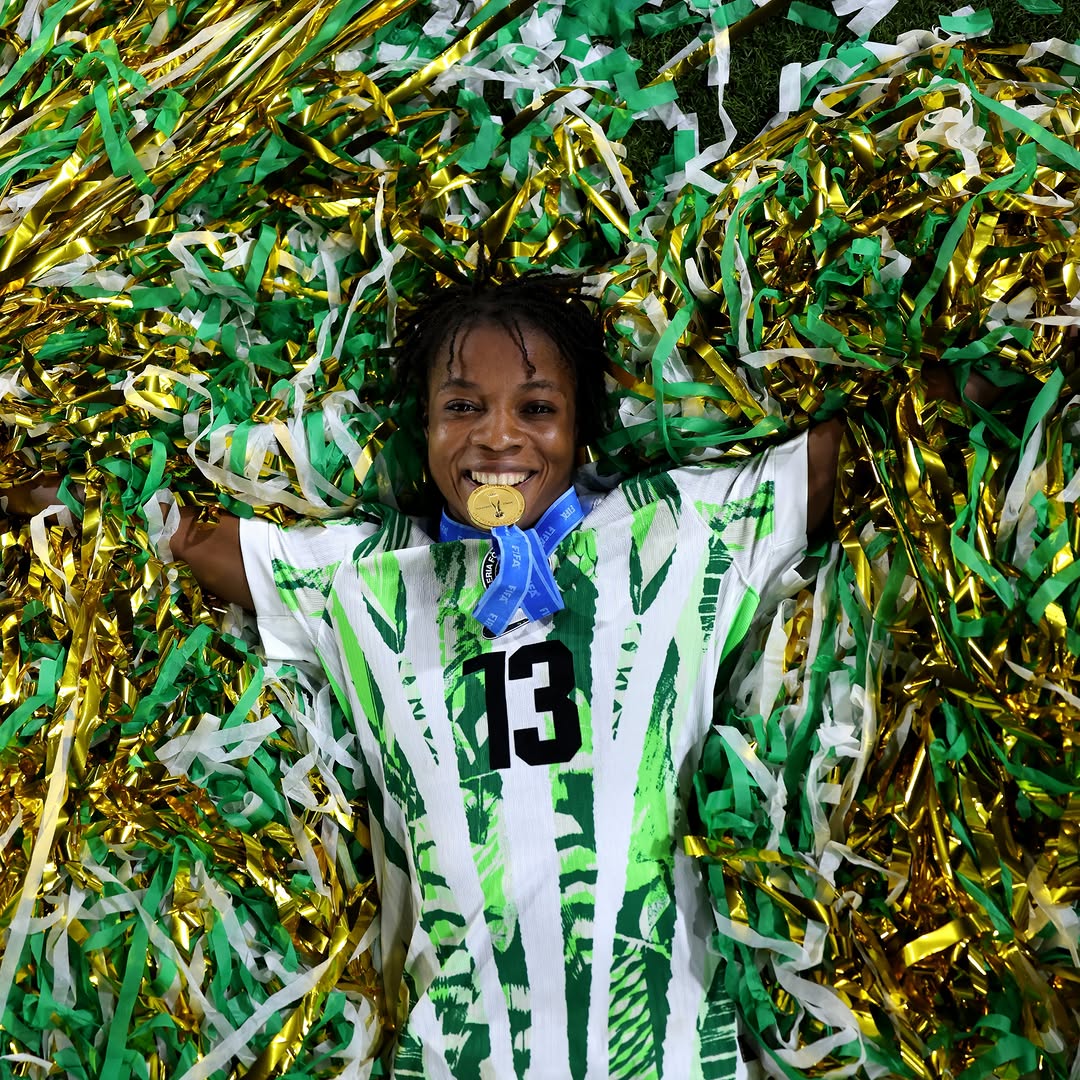
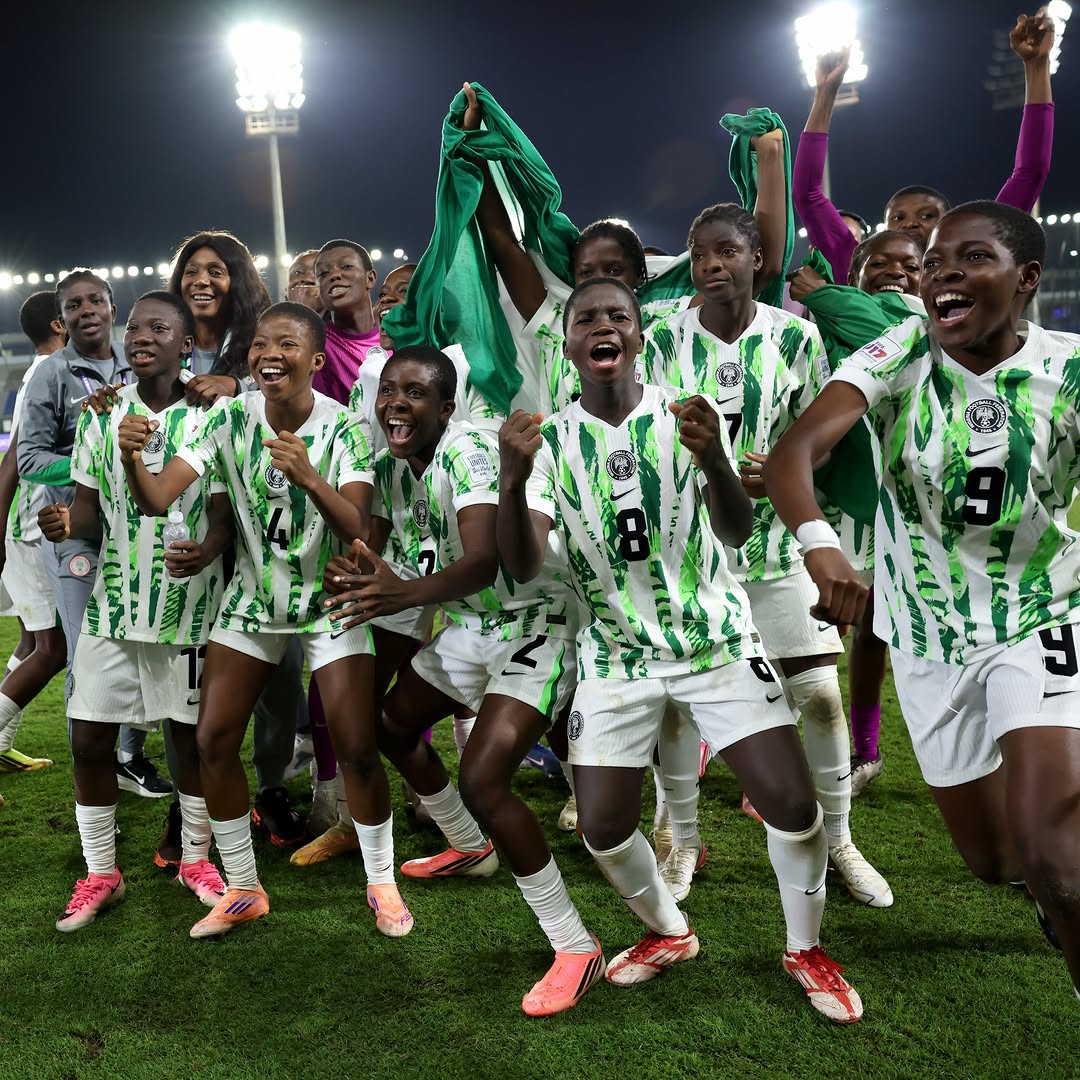
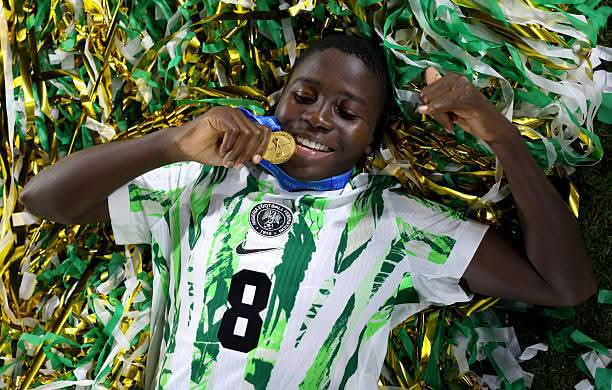
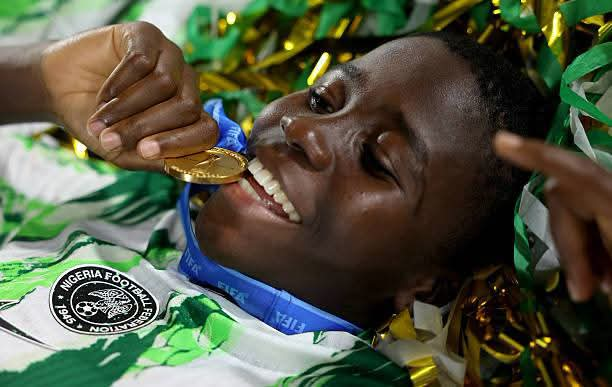
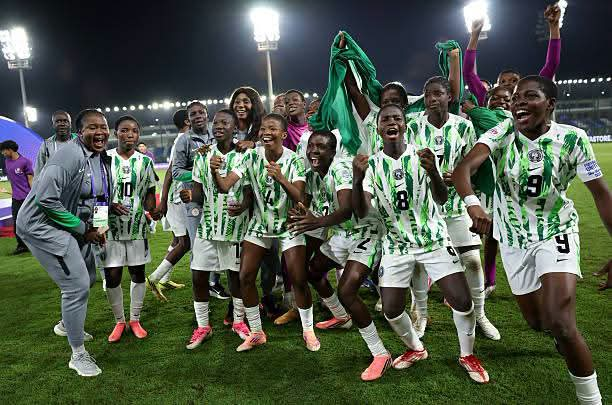
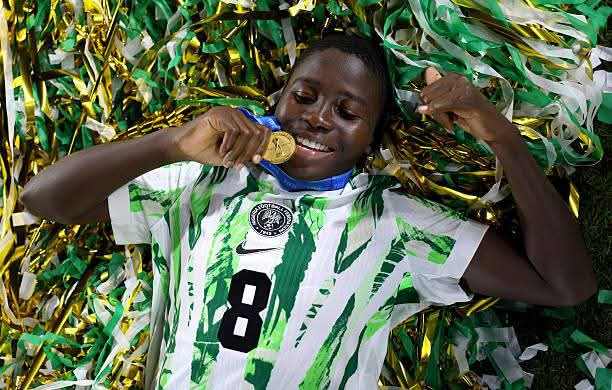
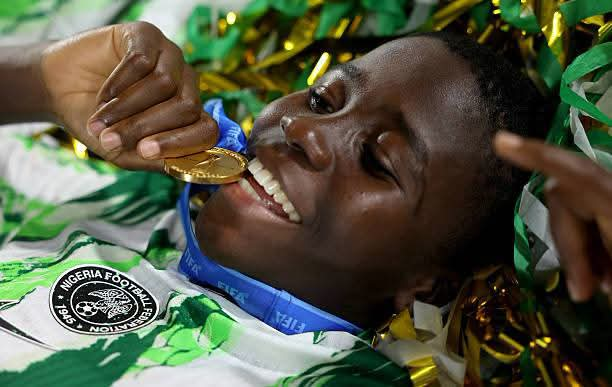
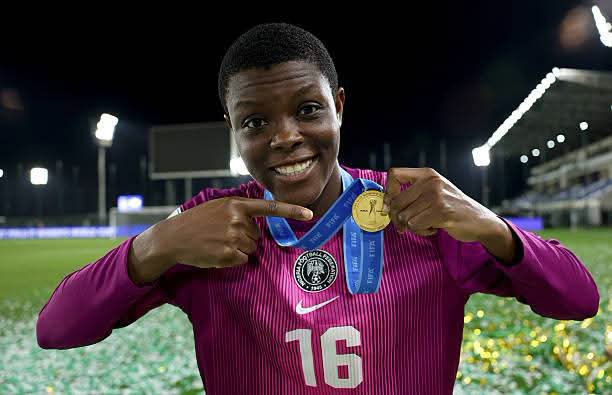
The final whistle unleashed an explosion of emotion. Players embraced, danced, celebrated and wept, while the Nigerian flag rose triumphantly over a tournament that had tested their courage, patience and determination. The girls who had arrived in Morocco with ambitions of making history had accomplished something far greater than even their most optimistic supporters could have imagined.
It was an extraordinary conclusion to an extraordinary campaign. Their journey had begun with disappointment, endured moments of uncertainty, survived fiercely contested encounters and gathered momentum with every passing victory. By the time they faced Japan in the final, the Flamingos had transformed themselves from a team seeking redemption into a side playing with the confidence and authority of genuine world champions.
And what a final it was!
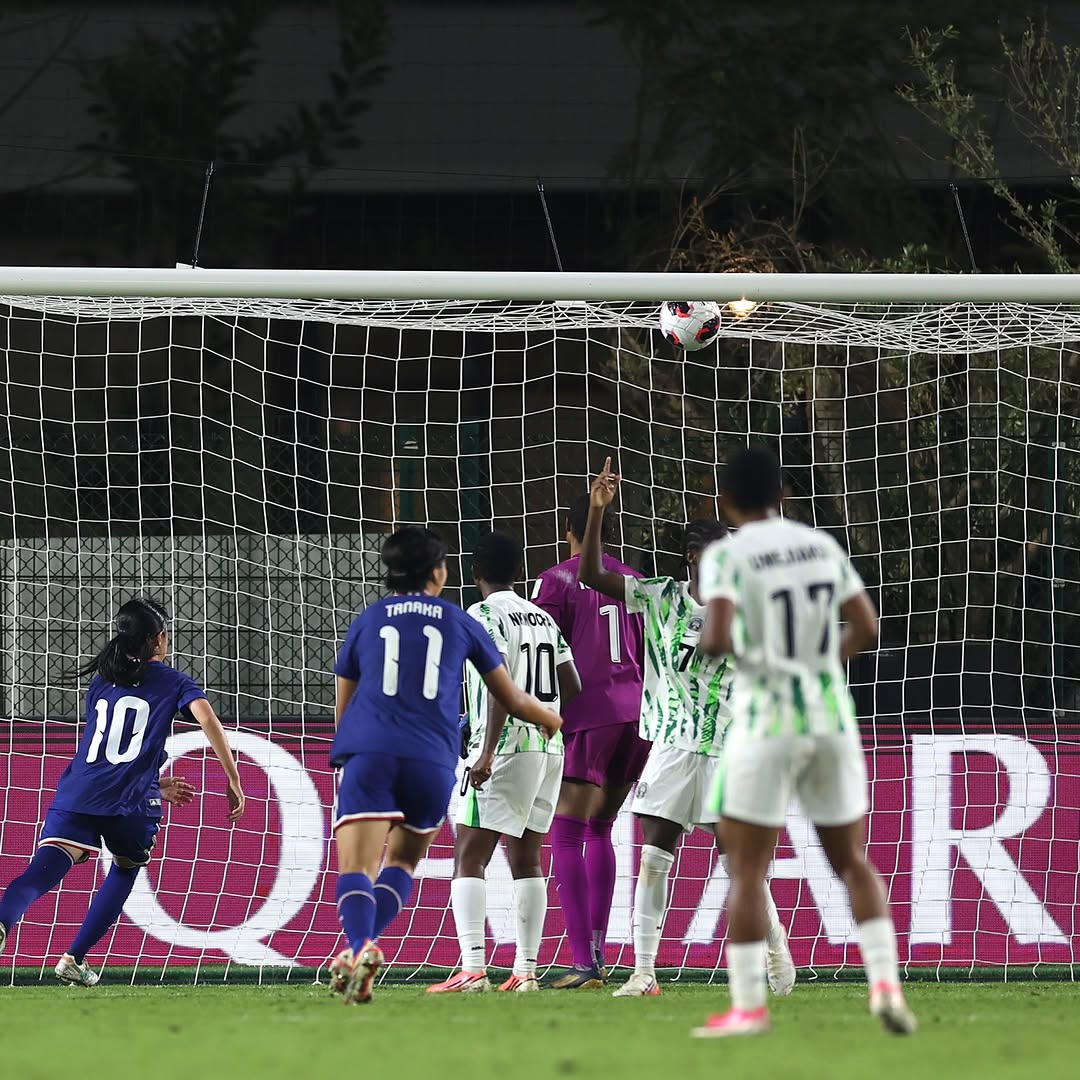
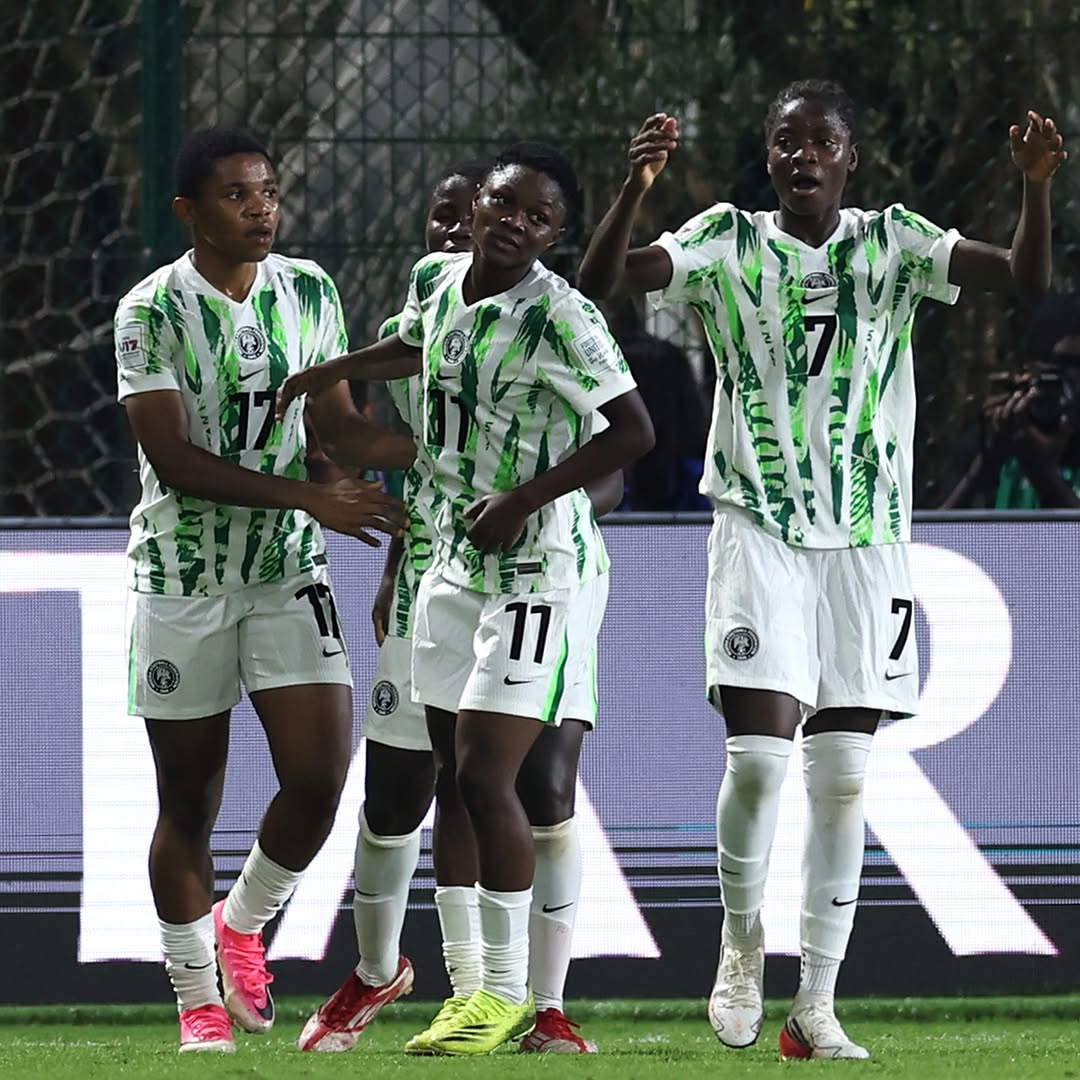
Nigeria started with purpose, attacking Japan with the confidence of a team that had already overcome formidable opposition. The breakthrough arrived in the 39th minute when Awawu Bashiru found the net to give the Flamingos a deserved first-half advantage. The goal was a reward for Nigeria’s attacking ambition and willingness to take the initiative against a technically accomplished Japanese side.
Barely two minutes into the second half, the Flamingos struck again. Oluebube Umejiaku, who would eventually emerge as one of the tournament’s most celebrated players, doubled Nigeria’s advantage in the 47th minute with a superb finish after a carefully constructed attacking move initiated by Esther Stephen.
At 2–0, Nigeria appeared to have one hand on the trophy, but Japan were not prepared to surrender their championship ambitions without a fight. The Japanese reduced the deficit in the 80th minute through Fuki Ito, setting up an anxious final stretch. For the remaining minutes, the Flamingos were required to demonstrate another dimension of their footballing maturity: defensive discipline, concentration, composure and the ability to withstand sustained pressure.
They did exactly that. Through five minutes of stoppage time, Nigeria held their ground, repelled Japan’s attempts to find an equaliser and protected their precious advantage. When the referee finally brought the contest to an end, history had been made. Nigeria were world champions!
THE ROAD TO VICTORY: FROM DESPAIR TO DESTINY
Perhaps the most remarkable aspect of Nigeria’s triumph was the manner in which it was achieved. The Flamingos did not enjoy a comfortable passage to the title. They did not arrive in Morocco, sweep aside every opponent and proceed effortlessly to the final. Their campaign was a story of recovery, reinvention and progressive improvement, beginning with a defeat that could easily have derailed their entire tournament.
The Poland setback: A painful beginning
Nigeria’s opening encounter against Poland produced a 2–1 defeat, an uncomfortable introduction to the tournament and a result that immediately placed the young Nigerians under pressure. For a team carrying the hopes of a football-loving nation, the setback was disappointing. Expectations were high, and the opening result threatened to undermine the confidence required for a successful World Cup campaign.
Yet, within that disappointment lay the beginning of an extraordinary transformation.
The Flamingos refused to allow one defeat to define their tournament. They understood that the World Cup was not decided by the opening match and that their destiny remained in their own hands. Oluebube Umejiaku, who came off the bench to score Nigeria’s consolation goal against Poland, would later become the tournament’s outstanding individual performer.
The response was emphatic.
Puerto Rico: The revival begins
Nigeria returned to winning ways with a 2–0 victory over Puerto Rico. It was an important result, not simply because it secured valuable points but because it restored confidence and demonstrated that the opening defeat had not broken the team’s spirit.
The Flamingos began to rediscover their rhythm, organisation and attacking confidence. More importantly, they approached the remaining group matches with a renewed understanding that every encounter demanded concentration and commitment.
DPR Korea: The statement victory
If the victory over Puerto Rico restored confidence, the subsequent 3–1 demolition of defending champions DPR Korea announced Nigeria’s arrival as a serious contender.
This was no ordinary opponent. DPR Korea were among the most respected forces in women’s youth football, possessing a formidable competitive pedigree and the experience of defending their world title. They represented precisely the kind of opposition that could intimidate less experienced teams.
The Flamingos, however, were unimpressed by reputations.
Nigeria produced a commanding performance, defeating the reigning champions 3–1 and delivering one of the most significant results of the tournament. It was a statement of intent, demonstrating that the Nigerian girls possessed the quality, physicality, tactical discipline and attacking imagination to challenge the very best.
The psychological importance of that victory cannot be overstated. Having recovered from defeat against Poland, they had now beaten the defending world champions. The message was unmistakable: Nigeria had come to compete for the ultimate prize.
Mexico: Another obstacle swept aside
The knockout stages brought a different kind of pressure. There was no longer room for mistakes or second chances. Every match carried the possibility of elimination, and the Flamingos needed to demonstrate that their group-stage resurgence was not a temporary burst of enthusiasm.
Mexico provided the next examination.
Nigeria won the Round of 16 encounter 2–1, with Oluebube Umejiaku opening the scoring in the 40th minute before Mary Dunstan extended the advantage in the 71st minute. Mexico scored deep into stoppage time, but the Flamingos held on to secure their passage into the quarter-finals.
Umejiaku’s goal was particularly impressive. She demonstrated composure and attacking intelligence to exploit an opportunity and finish decisively. Dunstan’s contribution further illustrated the depth of attacking quality within the Nigerian squad.
Mexico had been eliminated, and Nigeria were marching forward.
Venezuela: A test of patience and nerve
The quarter-final encounter against Venezuela was one of the most demanding examinations of Nigeria’s campaign. Unlike the more open matches preceding it, this was a closely contested affair in which the Venezuelan defence proved difficult to penetrate.
The Flamingos attacked, created opportunities and persisted, but the breakthrough remained elusive. Time was running out, and the prospect of extra time and penalties became increasingly real.
Then came the decisive moment.
In the 89th minute, Nigeria were awarded a penalty after VAR review, following a foul on Oluebube Umejiaku. Azeezatt Oduntan stepped forward and converted with remarkable composure.
It was a moment of immense significance. Nigeria had secured a 1–0 victory, eliminated Venezuela and qualified for the semi-finals.
The Flamingos were now among the final four teams in the world.
Brazil: A magnificent demolition
The semi-final against Brazil was arguably Nigeria’s most impressive collective performance of the competition.
Brazil are a traditional powerhouse of international football, renowned for their technical ability, attacking creativity and footballing culture. The South Americans were determined to reach their first final, but the Flamingos had other ideas.
After a goalless first half, Nigeria emerged from the interval with renewed aggression and purpose. Queen Joseph broke the deadlock in the 56th minute, finishing after a dangerous attacking move involving Oluwakemi Adegbuyi.
The goal opened the floodgates.
Awawu Bashiru doubled Nigeria’s advantage in the 71st minute before adding a magnificent second of her own in the 80th minute. Brazil managed a consolation goal in the 89th minute, but the outcome was beyond doubt.
Nigeria had defeated Brazil 3–1.
It was a historic result that propelled the Flamingos into their first-ever FIFA U-17 Women’s World Cup final and made them the first African team to reach the championship match.
The girls had conquered another footballing giant. Japan was now the final obstacle between Nigeria and immortality.
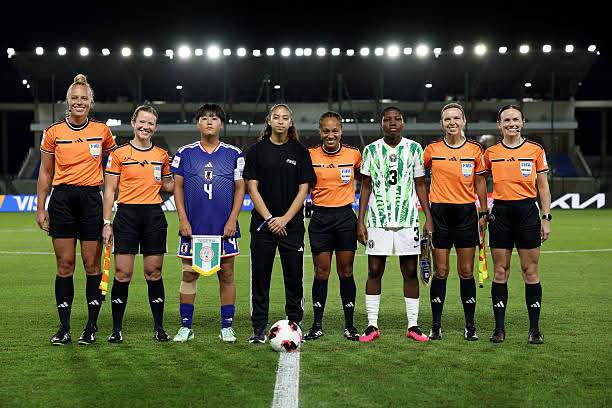
Japan: The final conquest
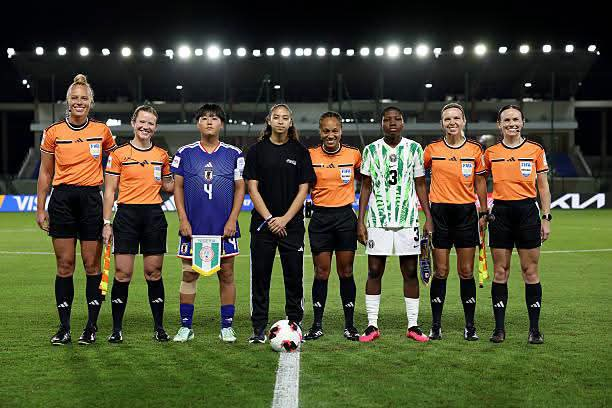
Japan represented a formidable final opponent. Their technical precision, tactical organisation, movement and discipline made them one of the most difficult teams to overcome in international youth football.
They had also eliminated DPR Korea in the semi-finals, recovering from a late deficit before progressing through a penalty shootout.
The Japanese arrived in the final with an impressive tournament pedigree and the confidence of a side accustomed to competing for international honours.
But the Flamingos had already demonstrated that reputations counted for little when confronted with their determination.
Awawu Bashiru opened the scoring in the 39th minute, and Umejiaku extended Nigeria’s lead shortly after the restart. Japan’s late response made for a tense finish, but the Nigerian girls refused to surrender.
They defended their advantage, weathered the Japanese pressure and secured a historic 2–1 victory.
The world had a new champion. Nigeria had conquered the world!
THE EXCEPTIONAL PLAYERS WHO MADE HISTORY
Although the Flamingos’ achievement was fundamentally a triumph of collective determination, several players distinguished themselves through their exceptional performances, individual brilliance and contributions at crucial moments.
OLUEBUBE UMEJIAKU: THE GOLDEN GIRL OF MOROCCO

If one player embodied the remarkable transformation of the Flamingos, it was Oluebube Umejiaku.
Her story was almost a tournament within the tournament. She began the competition as a substitute, scoring Nigeria’s only goal against Poland in the opening defeat. Rather than allowing her limited starting opportunities to discourage her, she continued to work, improve and wait for her moment.
That moment arrived in spectacular fashion.
Umejiaku scored against DPR Korea, Mexico and Japan, demonstrating an extraordinary ability to influence important matches. Her composure, movement, attacking instincts and eye for goal made her one of Nigeria’s most dangerous players.
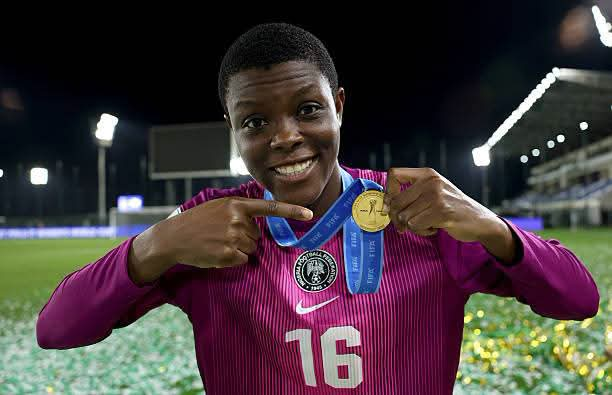
Her performance in the final earned her the Player of the Match award, while her outstanding contribution throughout the tournament secured the prestigious Golden Ball as the competition’s best player.
Her journey from substitute to world champion and tournament MVP is one of the most inspiring individual stories of Morocco 2026.
AWAWU BASHIRU: THE UNEXPECTED MATCH-WINNER

Bashiru’s contribution was equally extraordinary. Initially not a regular starter, she spent much of the early tournament waiting for her opportunity. Coach Akeem Busari eventually handed her a starting role against Brazil, and she responded with two magnificent goals.
She then scored Nigeria’s opening goal in the final against Japan.
Three goals across the two most decisive matches of Nigeria’s campaign demonstrated her capacity to deliver when the stakes were highest. Her emergence was a testament to the depth of the squad and the importance of maintaining competitive standards throughout a long tournament.
QUEEN JOSEPH: THE MIDFIELD GENERAL
Queen Joseph was another outstanding contributor, particularly in the semi-final against Brazil, where she scored the opening goal that set Nigeria on the path to a historic victory.
Her work rate, intelligent positioning and ability to influence the attacking phase were important components of the Flamingos’ success. She brought energy and purpose to Nigeria’s midfield and demonstrated the confidence required to perform on the biggest stage.
MARY DUNSTAN: THE RELIABLE ATTACKING FORCE
Dunstan’s goal against Mexico was crucial in securing Nigeria’s passage into the quarter-finals. Her contribution against Brazil, including her involvement in the move that produced the opening goal, further underlined her importance to the team’s attacking structure.
She was one of the players whose work often provided the foundation for the more spectacular moments.
AZEEZATT ODUNTAN: ICE-COOL UNDER PRESSURE
Oduntan’s decisive penalty against Venezuela was one of the defining moments of the competition. With the quarter-final heading towards its final moments, she demonstrated remarkable composure to convert from the spot and take Nigeria into the semi-finals.
In a tournament in which one missed opportunity could have ended the dream, her calmness was invaluable.
JANE IJIRIGHO: THE LAST LINE OF DEFENCE
Behind every successful attacking team is a goalkeeper capable of providing security when the pressure becomes overwhelming. Ijirigho played an important role in Nigeria’s campaign, producing important interventions and providing the defensive foundation upon which the team’s attacking ambitions could flourish.
Her contribution in the final stages against Japan was particularly important as Nigeria fought to protect their advantage.
ESTHER STEPHEN AND OLUWAKEMI ADEGBUYI: THE CREATIVE ENGINE
Stephen and Adegbuyi were important components of the Flamingos’ attacking machinery. Stephen’s contribution to Umejiaku’s decisive second goal in the final illustrated the quality of Nigeria’s build-up play, while Adegbuyi’s involvement in the opening goal against Brazil demonstrated her ability to create danger from wide positions.
Together with the other members of the squad, they provided the attacking movement, creativity and collective energy that made Nigeria such a difficult opponent.
THE MASTERMINDS: AKEEM BUSARI AND THE POWER OF COLLECTIVE BELIEF
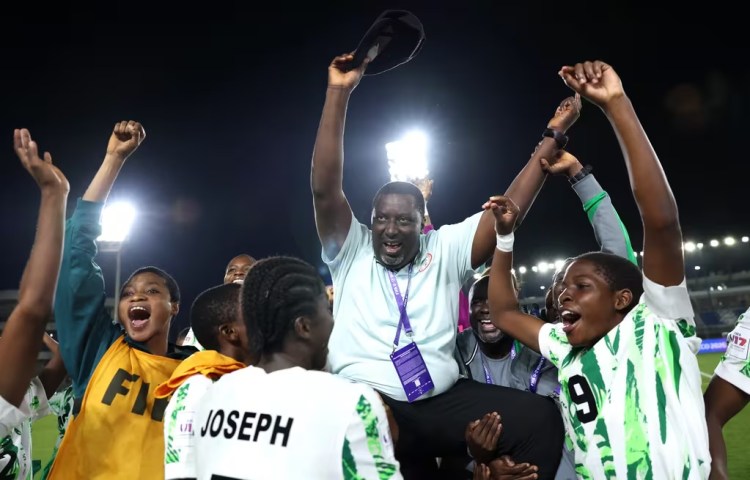
Behind the historic triumph was the work of head coach Akeem Busari and his technical crew.
A World Cup victory is rarely the product of individual brilliance alone. It requires preparation, tactical understanding, sound selection, squad management and the ability to respond intelligently when circumstances change.
Busari demonstrated an important quality throughout the competition: the willingness to reward merit and character rather than rely exclusively on established selections.
The emergence of Umejiaku and Bashiru illustrates this philosophy. Both players had to wait for their opportunities, but when those opportunities arrived, they made decisive contributions.
Busari’s approach was built around discipline, attitude, teamwork and the understanding that every player had a responsibility to the collective mission.
His tactical adjustments, management of the squad and ability to inspire belief after the opening defeat proved invaluable.
The Flamingos did not simply possess talented footballers; they became a cohesive team whose members understood their responsibilities and trusted one another.
AGAINST THE ODDS: WHY THIS VICTORY IS DIFFERENT
There are World Cup victories, and then there are victories that redefine the history of a continent.
Nigeria’s triumph belongs firmly in the second category.
The Flamingos became the first African nation to win the FIFA U-17 Women’s World Cup since the competition began in 2008. They also became the first team to lose its opening match and subsequently go on to win the tournament.
That second achievement is particularly remarkable. It demonstrates the psychological strength required to recover from an early setback, rebuild confidence and sustain a winning mentality through the increasingly demanding stages of a global competition.
The Nigerian girls also overcame some of the strongest footballing nations in the tournament. They defeated defending champions DPR Korea, eliminated Mexico, survived a difficult encounter with Venezuela, dismantled Brazil and finally overcame Japan.
It is worth emphasising that Japan, not Nigeria, eliminated DPR Korea in the semi-finals. Nevertheless, the Flamingos had already defeated the defending champions in the group stage, while Japan subsequently defeated them to reach the final.
The campaign was therefore not merely a story of Nigeria beating lesser-ranked opponents. It was a sustained demonstration of their ability to compete against the established powers of women’s youth football.
PHOTO GALLERY




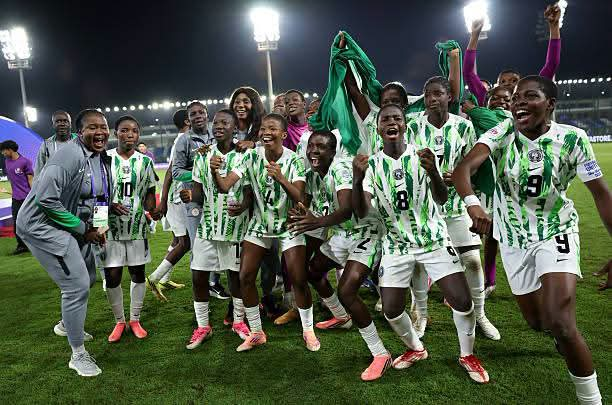
The victory also represents a landmark for African women’s football. For decades, the continent has produced exceptional female footballers, competitive national teams and some of the most exciting talents in the global game. Yet winning this particular world title had remained beyond African reach.
The Flamingos have finally broken that barrier.
They have demonstrated that African football can compete at the highest level of women’s youth development and, with the right preparation, technical direction and institutional support, can win the ultimate prize.
A NEW CHAPTER IN NIGERIAN FOOTBALL HISTORY
Nigeria has a distinguished tradition in FIFA youth competitions. The country’s football history is decorated with the exploits of the Golden Eaglets and the remarkable achievements of its male youth teams. The Flamingos have now added a historic women’s title to that legacy.
Their achievement also reinforces Nigeria’s reputation as a country blessed with extraordinary footballing talent.
But this victory must be more than an occasion for celebration, congratulatory statements and temporary national excitement. It should become a catalyst for a more deliberate investment in women’s football, grassroots development, youth competitions, coaching education, sports science, player welfare and improved domestic football structures.
These young champions deserve a future in which their talents can be nurtured, protected and developed. Their success should encourage more girls to take up football, inspire parents to support their daughters’ sporting ambitions and persuade private-sector investors to recognise the enormous potential of women’s football.
The Nigerian Football Federation and relevant sports authorities must ensure that the Flamingos’ achievement becomes the beginning of a sustainable programme for women’s football development rather than an isolated moment of glory.
There is also a responsibility to ensure that the players receive the recognition, support and rewards befitting their extraordinary accomplishment.
AFRICA’S NEW QUEENS: THE WORLD HAS BEEN PUT ON NOTICE
There is something especially beautiful about the manner of this victory.
These are teenage girls who travelled to Morocco carrying the hopes of more than 200 million Nigerians. They suffered an opening defeat, endured the pressure of elimination matches, faced established footballing powers and refused to surrender their dreams.
They were written off by some after the opening setback. They responded by defeating the defending champions.
They were tested by Mexico. They prevailed.
They were pushed to the limit by Venezuela. They found a way.
They faced Brazil in a semi-final that represented the biggest opportunity of their young careers. They produced three goals.
And when Japan stood between them and history, they summoned the courage, discipline and determination to finish the job.
That is the story of the Flamingos. Not simply a story of goals and trophies, but a story of character.
Their triumph should resonate far beyond the football pitch. It is a reminder that setbacks need not determine destinies, that greatness is often born in moments of adversity and that the greatest achievements sometimes emerge from circumstances that initially appear unfavourable.
On November 7, 2026, the Flamingos gave Nigeria a reason to celebrate, gave Africa a new sporting landmark and gave the world a compelling demonstration of the power of determination.
They came to Morocco as hopeful contestants.
They left as world champions.
The Nigerian flag has flown at the summit of women’s youth football. The Flamingos have conquered the world.
Long live the Flamingos! Long live Nigerian football! Long live African women’s football!
Important factual highlights of Flamingos’ Campaign
| Stage | Opponent | Result |
| Group stage | Poland | Lost 1–2 |
| Group stage | Puerto Rico | Won 2–0 |
| Group stage | DPR Korea | Won 3–1 |
| Round of 16 | Mexico | Won 2–1 |
| Quarter-final | Venezuela | Won 1–0 |
| Semi-final | Brazil | Won 3–1 |
| Final | Japan | Won 2–1 |
PHOTO GALLERY 2