

By Peter Omopo
President on Friday announced plans to impose a new 10% “global tariff” under Section 122 of the Trade Act of 1974, hours after the U.S. Supreme Court struck down his sweeping reciprocal import duties.
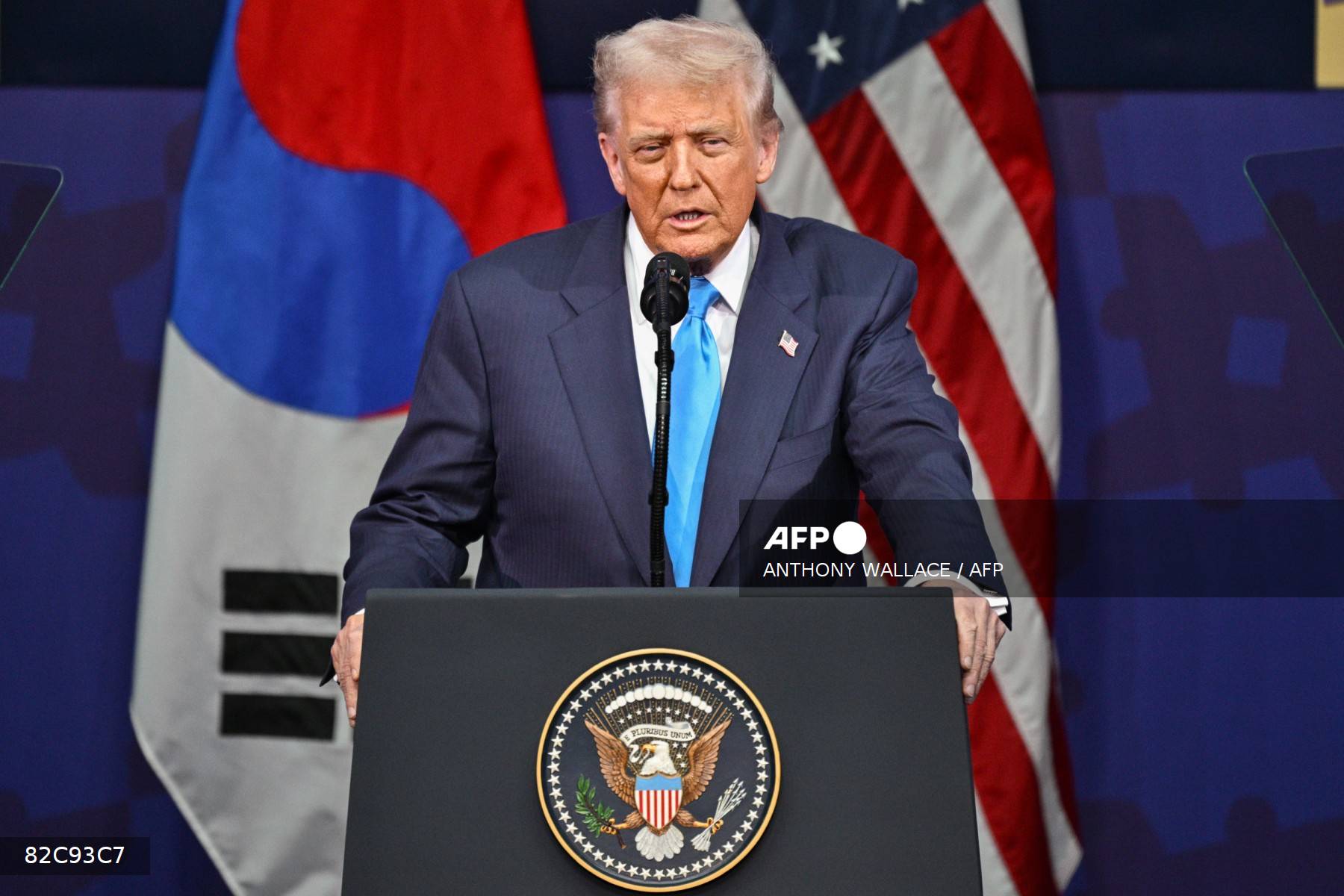
Speaking during a White House press briefing, Trump said he would sign an executive order authorising the new measure, describing the court’s 6–3 ruling as “deeply disappointing.”
The president was defiant in response to the decision, insisting that the ruling would not prevent him from pursuing his trade agenda through other legal avenues. He argued that Section 122 provides authority to impose tariffs unilaterally in certain circumstances.
The new tariffs, Trump said, would be applied in addition to existing levies that remain in place despite the high court’s decision.
Earlier in the day, the Supreme Court delivered a major setback to the administration by invalidating the broader “reciprocal” tariff regime, which had imposed wide-ranging duties on imports from multiple trading partners.
Financial markets reacted to the ruling, with investors assessing the potential economic implications of both the court’s decision and the president’s new tariff proposal.
Trump maintained that he retains alternative statutory powers to advance his trade policies and signalled further action could follow.
The announcement sets the stage for renewed legal and political battles over executive authority on trade, as well as possible reactions from U.S. trading partners.
