

By Peter Omopo
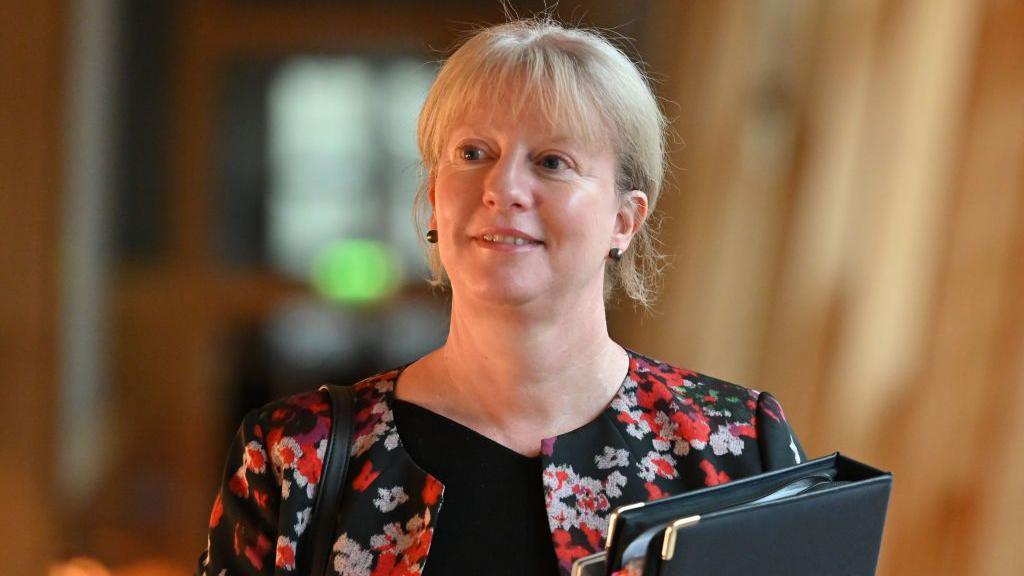
Scotland’s Finance Secretary, Shona Robison, is set to present the Scottish Government’s draft Budget for the 2026–27 financial year on Tuesday, outlining spending and tax plans worth around £68 billion.
The Budget, due to be delivered at Holyrood shortly after 14:20, is the final one before the Scottish Parliament elections scheduled for May, and is expected to signal how the SNP administration intends to position itself ahead of the vote.
In addition to day-to-day spending plans, the government will publish a review of expenditure through to the end of the decade, including a revised list of priorities for capital investment in infrastructure projects such as roads, schools and hospitals.
The Budget will also reveal the government’s approach to taxation. While ministers have pledged not to change income tax rates or bands, they retain the power to adjust thresholds at which taxpayers move into higher bands, a move that could affect middle and higher earners.
Scotland’s economy continues to face structural challenges, including low productivity, rising public service costs and a growing social security bill. Auditors have warned of a projected funding gap of about £4.7 billion between spending ambitions and available resources, raising questions about how ministers plan to ensure long-term financial sustainability.
Local councils, which depend heavily on funding from the Scottish Government, are awaiting details of their allocations. Decisions on council tax limits and the extent of ringfenced funding are expected to follow the Budget statement, with councils due to finalise their own budgets in February.
Political negotiations ahead of the statement suggest the Budget is likely to pass, despite the SNP lacking an outright majority. Scottish Labour leader Anas Sarwar has indicated his party will not block the Budget, reducing uncertainty over its approval.
Business groups and economists have urged the government to ease pressure on firms and address what they describe as a looming capital funding shortfall, while campaigners are calling for increased investment in health services and measures to tackle child poverty.
Robison’s Budget is widely seen as a defining moment for both her leadership and the SNP, as ministers balance tight public finances, voter expectations and the political realities of an election year.
