

By Peter Omopo
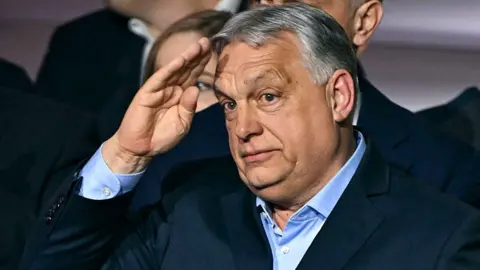
Hungary is set for a major political transition following the electoral defeat of long-serving Prime Minister Viktor Orbán, ending his 16-year dominance of the country’s political landscape.
Orbán, who led Hungary under what he described as an “illiberal democracy,” had overseen a system marked by centralised authority, contested judicial independence, and strong political influence over media and economic structures.
His exit follows growing public dissatisfaction driven largely by economic challenges, including rising inflation and declining purchasing power, which analysts say eroded the social contract that had sustained his administration for over a decade.
The shift in political momentum was further strengthened by the emergence of opposition figure Péter Magyar, whose reform-focused campaign centred on anti-corruption, institutional rebuilding, and closer alignment with the European Union.
Observers note that Magyar’s credibility and insider understanding of the system played a key role in consolidating opposition support and presenting voters with a viable alternative.
The development is expected to have implications for Hungary’s relationship with the European Union, which had previously clashed with Orbán’s government over democratic standards and governance issues. Analysts suggest the leadership change could ease tensions and potentially unlock frozen EU funds.
However, experts caution that the outcome does not signal the end of populist politics in Europe, noting that underlying issues such as economic insecurity, migration concerns, and identity politics remain prevalent across the continent.
The incoming administration now faces the challenge of governing a system shaped by years of political dominance, with entrenched institutional and economic structures likely to influence the pace and scope of reforms.
Political analysts say the transition underscores the enduring role of economic performance, institutional integrity, and credible opposition in democratic systems, highlighting the capacity of electorates to drive change through the ballot.
