

By Abu-Ubaida Ibrahim Kuna
In the evolving political landscape of Gombe State, not every visible figure commands statewide relevance. Some thrive on attention, others on structure, but leadership ultimately demands depth, control, and broad acceptability.
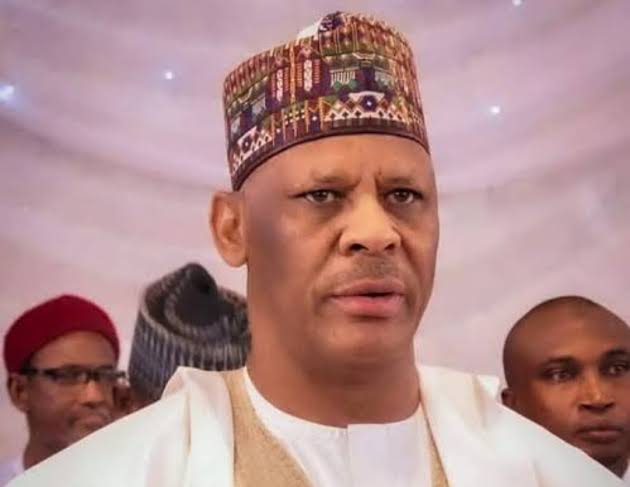
Usman Bello Kumo, popularly known as “World,” has built a reputation as one of the most energetic and outspoken political actors in recent times. His style is loud, visible, and often confrontational, earning him recognition, especially among younger political audiences.
But visibility is not viability. Across political circles, he is widely perceived as a figure whose influence is largely confined to Kumo in Akko Local Government Area. Beyond this base, his reach appears limited, with many questioning his ability to command the kind of statewide structure required to sustain a governorship ambition.
Indeed, even among supporters, he is often viewed more as a youth mobilizer or political agitator than a unifying leader capable of managing the complexities of an entire state.
To his credit, he has made notable efforts as a member of the House of Representatives representing Akko Federal Constituency. However, critics argue that his impact has remained largely localised, with little evidence of broader statewide intervention or inclusive political engagement.
This raises a critical question: Can a constituency-based influence translate into statewide leadership?
Another major concern frequently raised is his perceived role within political power dynamics. There is a growing narrative that he is often deployed as a political enforcer, a figure used in confrontational engagements, sometimes at the expense of decorum and respect for senior political figures.
Such a reputation, while useful in certain tactical situations, can become a liability when seeking higher office.
More fundamentally, questions of temperament continue to dominate discussions around his ambition. Leadership at the level of governorship requires: Emotional intelligence, strategic restraint, calm decision-making and the ability to unify diverse interests.
In contrast, he is often described as unpredictable, difficult to control, and lacking the composure required for executive leadership.
Governance is not an arena for constant confrontation; it is a space for negotiation, patience, and calculated decision-making.
Furthermore, the scale of responsibility cannot be ignored. Governing a state like Gombe State, with a population running into millions, demands a level of administrative depth and intellectual preparation that goes far beyond legislative experience.
The transition from lawmaking to executive governance is not automatic; it requires a different mindset, a broader vision, and a higher level of discipline. For many observers, this is where the gap becomes most evident.
Consequently, a significant segment of the public believes that while “World” possesses political potential, his governorship ambition may be premature. There is a strong argument that he would benefit from: More structured political grooming, broader administrative exposure and experience in higher-level leadership roles. In essence, time and maturity may yet refine his leadership capacity.
Until then, many believe that the governorship is an office that demands stability, wisdom, and far-reaching influence, which may remain beyond his current political threshold.
The issue is not whether “World” is politically active or visible, but whether he is ready. And in politics, readiness is everything.
Abu-Ubaida Ibrahim Kuna writes from Gombe State, Nigeria.
