

By Peter Omopo
The (NLC) has threatened to embark on a nationwide industrial action over the persistent collapse of Nigeria’s electricity grid and what it described as exploitative practices by electricity distribution companies.
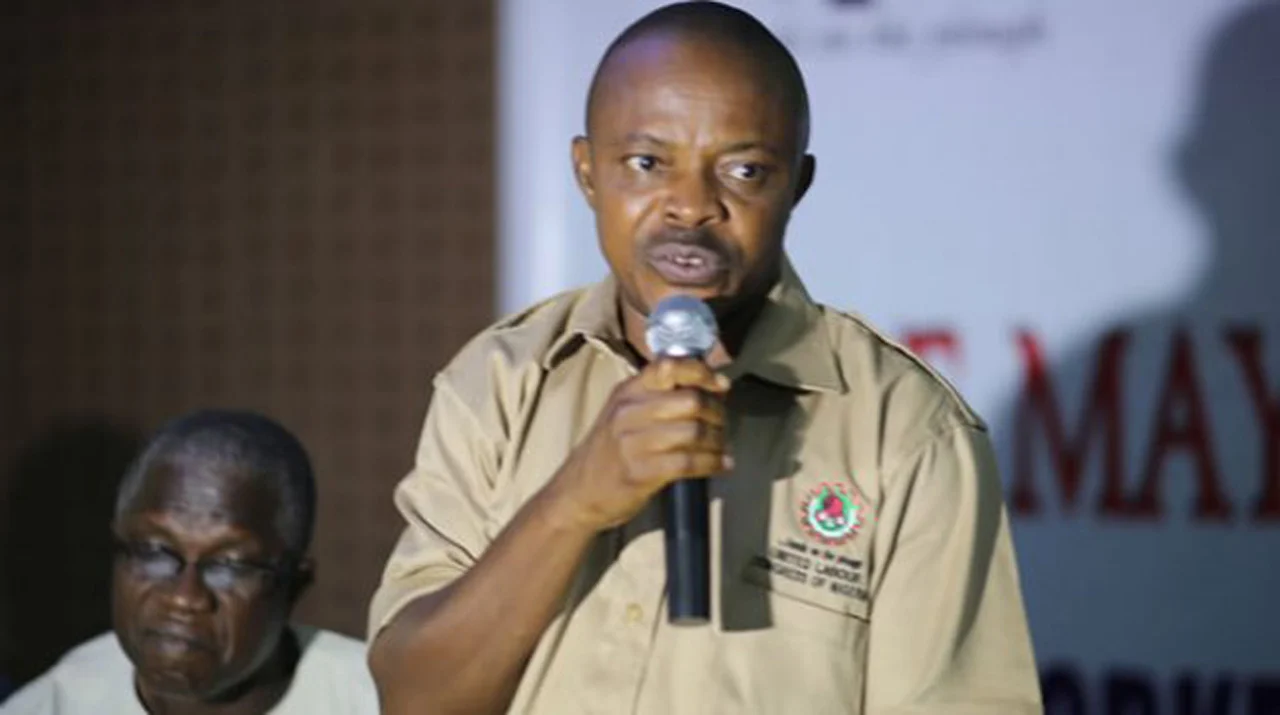
Speaking at the annual conference of women and youth organised by the in Abuja on Sunday, NLC President issued what he termed a final warning to authorities and power sector operators.
Ajaero said more than a decade after the privatisation and unbundling of the (PHCN), the electricity sector has failed to deliver improved supply, alleging that Nigerians have instead experienced “darkness, exploitation and economic pain.”
He criticised the classification of consumers into Bands A, B and C, describing the system as “institutionalised extortion” and a backdoor tariff increase that imposes higher costs without corresponding improvement in electricity supply.
“Band A consumers pay through their noses but still receive epileptic supply. This government is asking Nigerians to pay for darkness. We reject this segregation. Electricity is a right, not a commodity to be auctioned to the highest bidder,” Ajaero said.
The NLC president lamented that electricity generation has remained between 4,000 and 5,000 megawatts—levels comparable to pre-privatisation figures—despite population growth and rising industrial demand. He described the frequent national grid collapses as unacceptable and called for a comprehensive review of the sector.
Ajaero also faulted reports of a proposed bailout for generation companies, arguing that there is no justification for public funds to be used to support private firms that have failed to deliver reliable service.
He alleged that many of the companies acquired successor firms with borrowed funds and now seek to recover their debts through increased tariffs.
Calling for a shift in policy direction, Ajaero urged the Federal Government to return the power sector to a social service model, insisting that only the state has the capacity to undertake the heavy capital investment and long gestation periods required for sustainable electricity infrastructure.
He further proposed a national stakeholders’ summit comprising workers, unions, manufacturers and experts to develop a roadmap for affordable and stable electricity supply, including a review of the existing privatisation framework.
Nigeria has long grappled with inadequate power generation and recurrent grid failures, with available supply falling short of installed capacity. In recent months, the Federal Government has outlined reform plans aimed at settling sector debts, upgrading infrastructure and implementing tariffs that reflect market realities.
However, the NLC warned that organised labour would resist any further tariff increases or policies that worsen hardship without tangible improvement in electricity supply.
