

By Peter Omopo
Nigeria and the United Kingdom have agreed to establish a structured data-sharing system aimed at addressing a £1.2 billion discrepancy in their bilateral trade records.
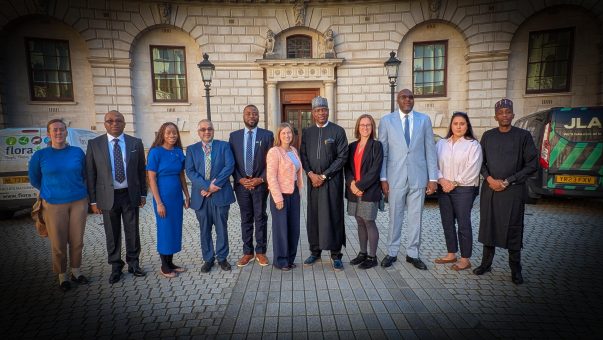
The agreement was reached during a high-level meeting held in London on March 18, 2026, on the sidelines of President Bola Ahmed Tinubu’s state visit, under the Nigeria–UK Enhanced Trade and Investment Partnership.
According to a statement by the Nigeria Customs Service spokesperson, Abdullahi Maiwada, the development marks a significant step toward deeper operational collaboration between the customs authorities of both countries.
At the centre of the discussions was a persistent mismatch in trade data. Nigeria recorded approximately £504 million worth of imports from the UK in 2024, while British figures indicate exports to Nigeria stood at about £1.7 billion within the same period, leaving a gap of roughly £1.2 billion.
Both parties described the discrepancy as a structural issue requiring coordinated intervention.
To resolve this, the two countries agreed to explore a pre-arrival data exchange framework that will integrate their digital customs systems. The initiative is expected to enhance risk management, reconcile trade figures, and strengthen compliance monitoring.
The meeting was led by Comptroller-General of Customs, Adewale Adeniyi, and Megan Shaw of His Majesty’s Revenue and Customs, with discussions also focusing on customs modernisation and transparency.
Adeniyi emphasised the importance of customs cooperation in driving economic growth and facilitating trade, noting that efficient and transparent border processes are critical to sustaining bilateral commerce.
The Nigeria–UK trade relationship spans multiple sectors, including agriculture, energy, industrial goods, and consumer products, all of which depend heavily on effective port and border operations.
The meeting also highlighted advancements in technology, with the UK showcasing artificial intelligence-driven trade tools, digital verification systems, and real-time analytics to improve cargo processing and border security.
In addition, both countries outlined plans to establish a Customs Mutual Administrative Assistance Framework, alongside initiatives for capacity building, knowledge exchange, and joint engagement under the partnership.
The Nigeria Customs Service said the outcomes of the engagement are expected to enhance trade facilitation, improve operational efficiency, and support Nigeria’s broader economic reform agenda.
