

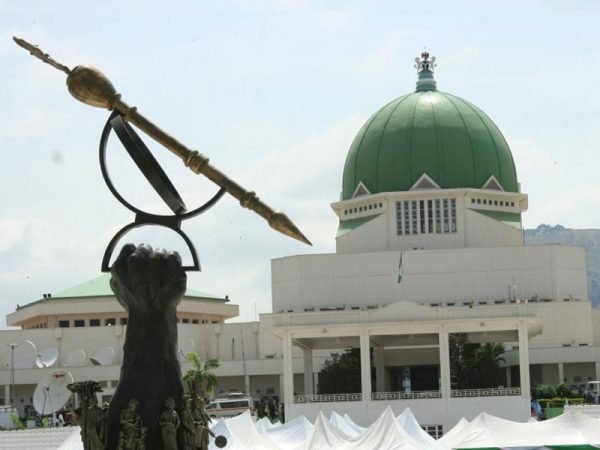
By Peter Omopo
The National Assembly will resume plenary today, with lawmakers set to focus on the consideration of President Bola Tinubu’s ₦58.47 trillion 2026 budget proposal alongside key electoral and constitutional reforms.
Senate Leader, Senator Opeyemi Bamidele, disclosed that both the Senate and the House of Representatives would prioritise the scrutiny and passage of the 2026 Appropriation Bill, while also accelerating amendments to the Electoral Act and the ongoing review of the 1999 Constitution.
Speaking in Abuja on Monday, Bamidele said committees in both chambers had already commenced detailed examinations of the revenue and expenditure components of the budget, which President Tinubu presented to a joint sitting of the National Assembly on December 18, 2025.
According to him, lawmakers would devote substantial time to ensuring the timely passage of the budget, describing it as critical to Nigeria’s economic growth, stability and long-term prosperity.
“The proposal is crucial to the growth, prosperity and stability of our economy, given its emphasis on consolidating the gains of previous years,” Bamidele said.
He expressed optimism that the passage of the budget would further strengthen macroeconomic stability, improve Nigeria’s global competitiveness and translate economic growth into improved living standards, while also restoring the January-to-December budget cycle.
Bamidele attributed improved prospects for funding the 2026 budget to recent fiscal reforms, particularly the 2025 Tax Reform Act, which he said had restructured the fiscal framework to ease pressure on low-income earners while increasing obligations on wealthier citizens.
“From the reforms of our fiscal space, we believe funding our budget will no longer be a challenge, and our budget deficit will begin to shrink year by year,” he said.
Beyond budgetary matters, the Senate Leader said electoral reforms would remain a major focus ahead of the 2027 general elections. He explained that lawmakers were reviewing the Electoral Act to strengthen credibility, transparency and security in the electoral process.
He revealed that the proposed Electoral Bill, 2025, contains over 20 major amendments, including voting rights for inmates, early release of election funds to the Independent National Electoral Commission, electronically generated voter identification, real-time transmission of results, uniform delegates for indirect primaries, stricter voter registration requirements and tougher penalties for electoral offences.
Bamidele also provided an update on the constitutional review process, noting that technical consultations and public hearings had been concluded. He said the final report would be presented to the Senate before the end of the first quarter of 2026.
He added that any proposed amendments would still require approval by at least two-thirds of the 36 state Houses of Assembly.
Reflecting on the tenure of the 10th National Assembly, Bamidele noted that about 16 months remained of its four-year term and pledged that lawmakers would intensify efforts on governance, electoral and economic reforms to strengthen public trust and national development.
