

By Peter Omopo
The Presidency has said that Nigeria’s naira-for-crude policy is helping to shield the country from the impact of global fuel disruptions triggered by the ongoing Middle East crisis.
Presidential aide Temitope Ajayi stated that the policy, approved by President Bola Ahmed Tinubu in July 2024, has strengthened the nation’s energy security by ensuring a steady domestic supply of petroleum products.
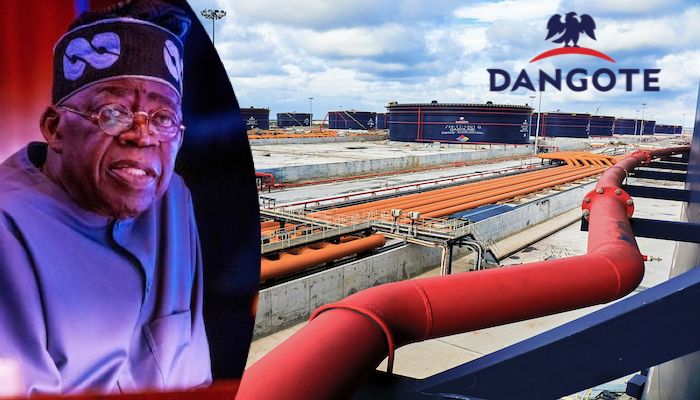
The initiative allows crude oil to be sold in naira to the Dangote Refinery, and took effect on October 1, 2024. It is being managed by a technical committee that includes the Minister of Finance, Wale Edun, and the Executive Chairman of the Nigerian Revenue Service, Zacch Adedeji.
Ajayi explained that the policy has reduced Nigeria’s exposure to foreign exchange volatility while ensuring consistent fuel availability, even as global energy markets face uncertainty due to tensions involving Iran, Israel, and the United States.
He noted that disruptions in the Strait of Hormuz, a key global oil transit route, have driven up fuel prices worldwide, with several countries experiencing shortages and implementing emergency measures.
Despite these challenges, Nigeria has largely avoided fuel scarcity, a development Ajayi attributed to increased local refining capacity and the naira-for-crude arrangement.
He highlighted the role of the Dangote Refinery in meeting domestic demand for petrol, diesel, and other products, reducing reliance on imports and eliminating long fuel queues that previously affected the country.
According to him, although global crude oil prices have risen, local pump prices have remained relatively stable, with recent reductions recorded despite higher production costs.
Ajayi added that local refining has significantly cut import-related expenses, including demurrage charges previously incurred by the Nigerian National Petroleum Company.
He further disclosed that Nigeria is emerging as a supplier of refined petroleum products to other African countries, noting that the Dangote Refinery exported nearly 500,000 tonnes of products across the continent in March.
The presidential aide said the development underscores the importance of industrialisation and local production in strengthening economic resilience and reducing vulnerability to external shocks.
He described the refinery as a critical asset for Nigeria’s energy independence and a driver of long-term economic growth.
