

By Peter Omopo
Meta Platforms CEO Mark Zuckerberg has intensified his company’s aggressive push into artificial intelligence, announcing plans to invest more than $100 billion in AI development next year — a move that has sent shockwaves through Wall Street and sparked debate over the sustainability of Big Tech’s “YOLO” (You Only Live Once) approach to the AI race.
Speaking during Meta’s quarterly earnings call on Wednesday, Zuckerberg said the company was spending to meet “the most optimistic cases,” underscoring his ambition to place Meta at the forefront of what he calls the next technological revolution — the creation of “superintelligence.”
The new investment figure represents more than double the level analysts predicted for 2026 a year ago, according to data from LSEG. However, the announcement wiped roughly $160 billion off Meta’s market value as investors questioned the rationale behind such massive spending without a guaranteed return.
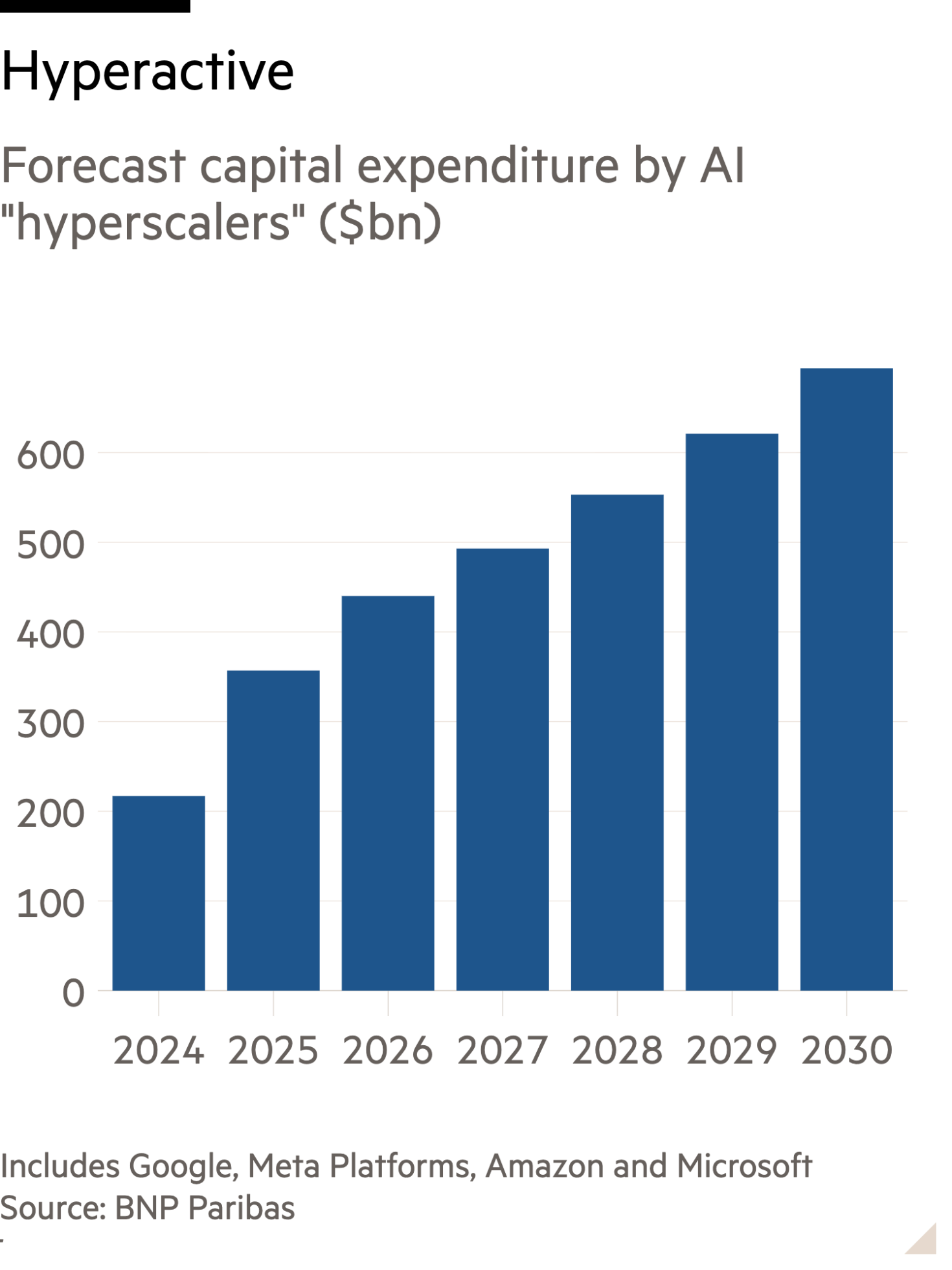
Analysts have expressed concern that Meta’s heavy expenditure on AI could mirror the costly misstep of its earlier Metaverse initiative, which failed to deliver expected growth despite billions in funding. “There’s no guarantee that pouring more money into AI will make Meta a winner,” one analyst noted, adding that competitors like Google have diversified businesses, including cloud services, to offset their AI infrastructure costs.
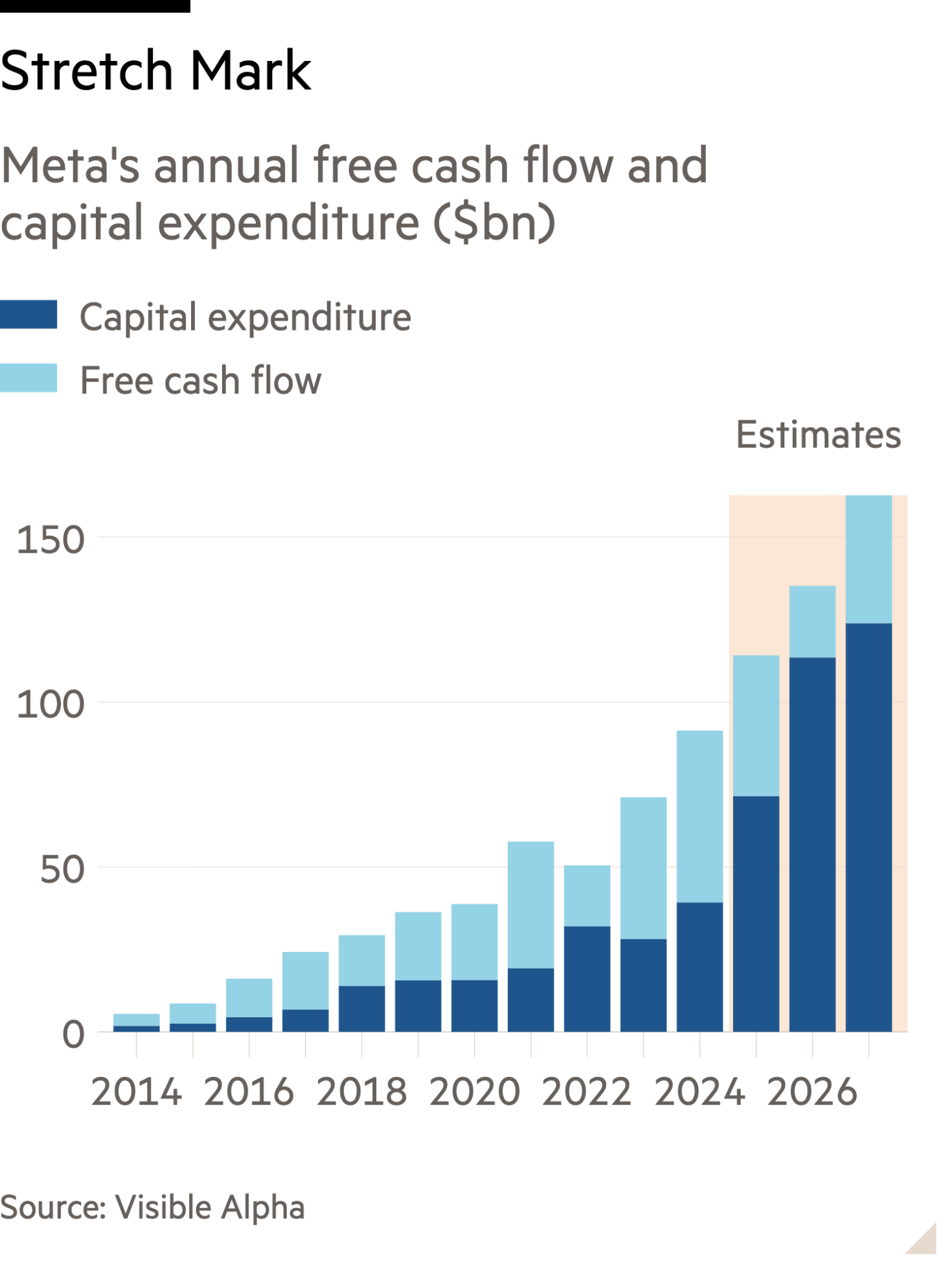
Zuckerberg, however, appears undeterred. His strategy is fueled by both ambition and confidence in Meta’s financial strength. Unlike many corporate spending sprees, Meta’s AI expansion is being financed largely through operating cash flow rather than debt. The company has also entered joint ventures — including one with private credit firm Blue Owl — to fund new data centers without overburdening its balance sheet.
Financial analysts estimate that even if Meta were to spend $500 billion on AI development over the next five years, it would still generate about $400 billion in cumulative free cash flow, according to Visible Alpha.
Beyond the long-term AI gamble, Meta’s short-term returns from its machine-learning investments are already visible. In the most recent quarter, the company reported showing 14% more ads on its platforms and charging 10% higher rates per ad — gains attributed to AI-driven ad targeting improvements.
For Zuckerberg, the ultimate prize extends beyond financial metrics. Achieving “superintelligence” could secure his legacy as a technological pioneer, placing him alongside the likes of Steve Jobs and Elon Musk in the annals of innovation history.
Industry observers say that even if Meta falls short, the company’s vast cash reserves ensure it won’t face existential risk. “Meta isn’t going bankrupt from this,” one analyst said. “At worst, it suffers a share price hit. At best, it redefines the future of technology.”
Despite the market’s initial backlash, Meta shares continue to trade at roughly 25 times forwar8d earnings — consistent with their average over the past decade.
For now, Zuckerberg’s all-in approach underscores a broader mindset sweeping Silicon Valley: that the rewards of AI dominance far outweigh the risks. As the global tech race intensifies, the AI “YOLO trade” appears far from over.
