

By Peter Omopo
The United States Congress has proposed targeted sanctions, including visa bans and asset freezes, against individuals and groups allegedly linked to religious freedom violations and extremist activities in Nigeria.
The proposal is contained in the Nigeria Religious Freedom and Accountability Act of 2026, introduced on Tuesday by Representative Riley Moore (R-West Virginia) and co-sponsored by Representative Chris Smith (R-New Jersey).
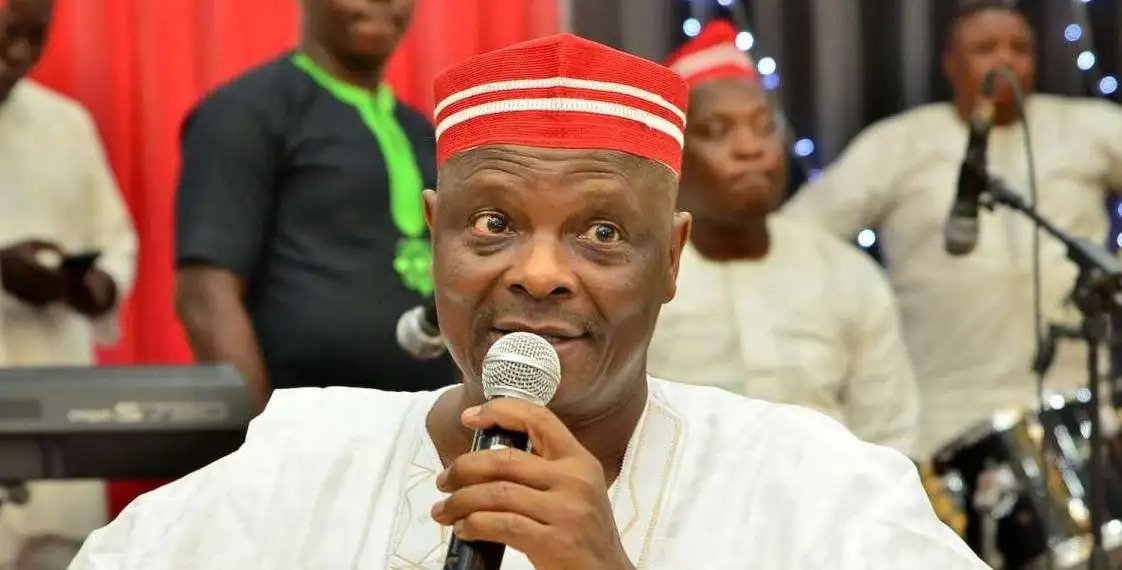
According to the draft legislation, those named include former Kano State Governor Rabiu Musa Kwankwaso, Fulani-ethnic nomad militias, the Miyetti Allah Cattle Breeders Association of Nigeria (MACBAN), and Miyetti Allah Kautal Hore.
The bill recommends that the US Department of State and the Department of the Treasury impose targeted sanctions under the Global Magnitsky Human Rights Accountability Act on individuals and entities found responsible for religious freedom violations. Proposed measures include visa restrictions and the freezing of assets.
Part of the bill states that humanitarian assistance, co-funded by the Government of Nigeria, should be delivered through trusted faith-based and non-governmental organisations operating in Nigeria’s Middle Belt states.
The legislation also directs the US Secretary of State to assess whether certain Fulani militias meet the criteria for designation as Foreign Terrorist Organizations under US law.
Announcing the bill on social media platform X, Rep. Moore said he was proud to introduce the legislation alongside Rep. Smith, describing it as part of broader efforts to address religious persecution.
Moore said the proposal builds on previous US actions, including Nigeria’s designation as a “Country of Particular Concern” and a recent US–Nigeria security framework agreement. He added that the legislation seeks to reinforce America’s stance on protecting persecuted Christians and other vulnerable communities.
If passed, the bill would mark a significant escalation in US measures aimed at addressing religious violence and extremism in Nigeria.
