

By Peter Omopo
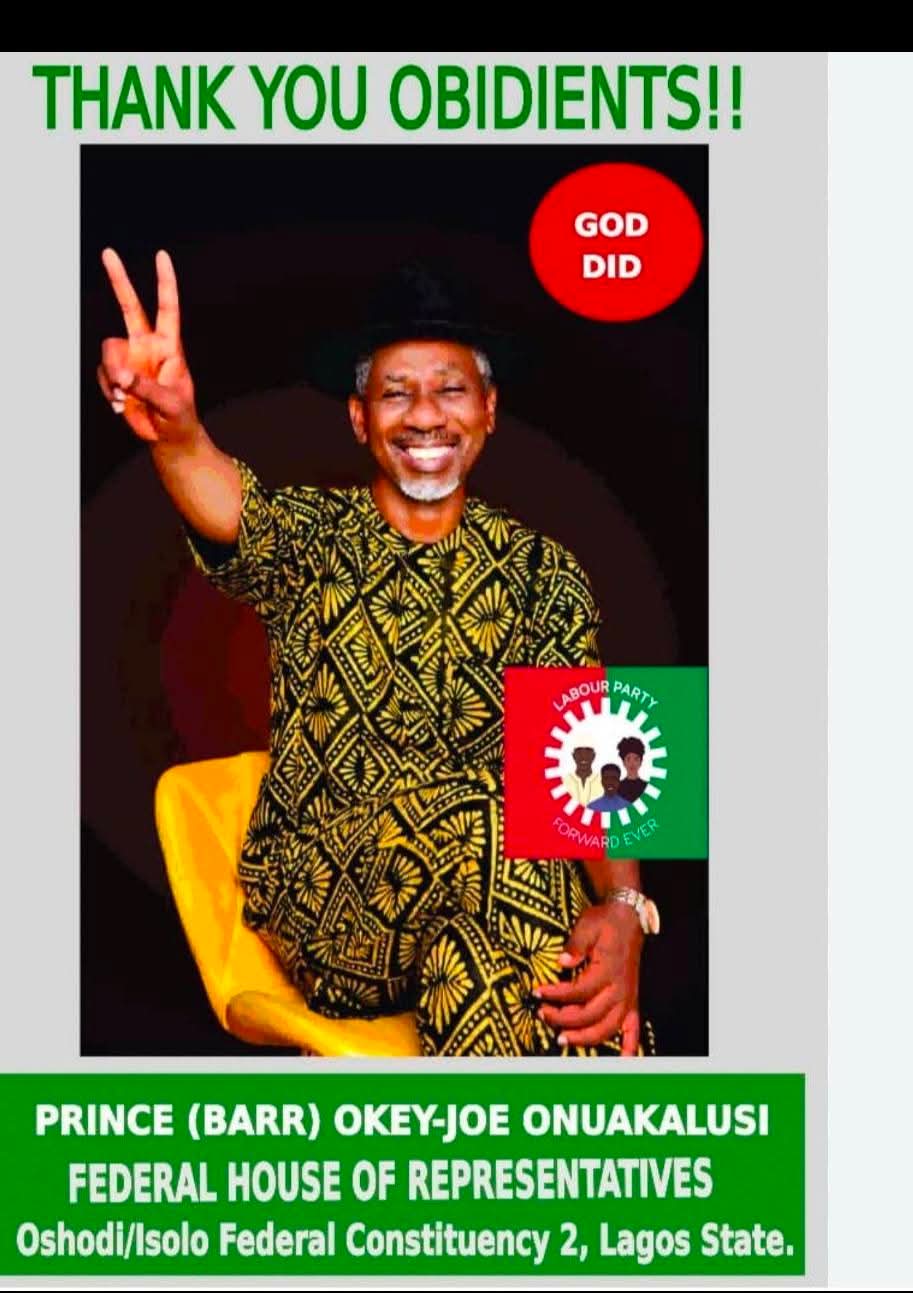
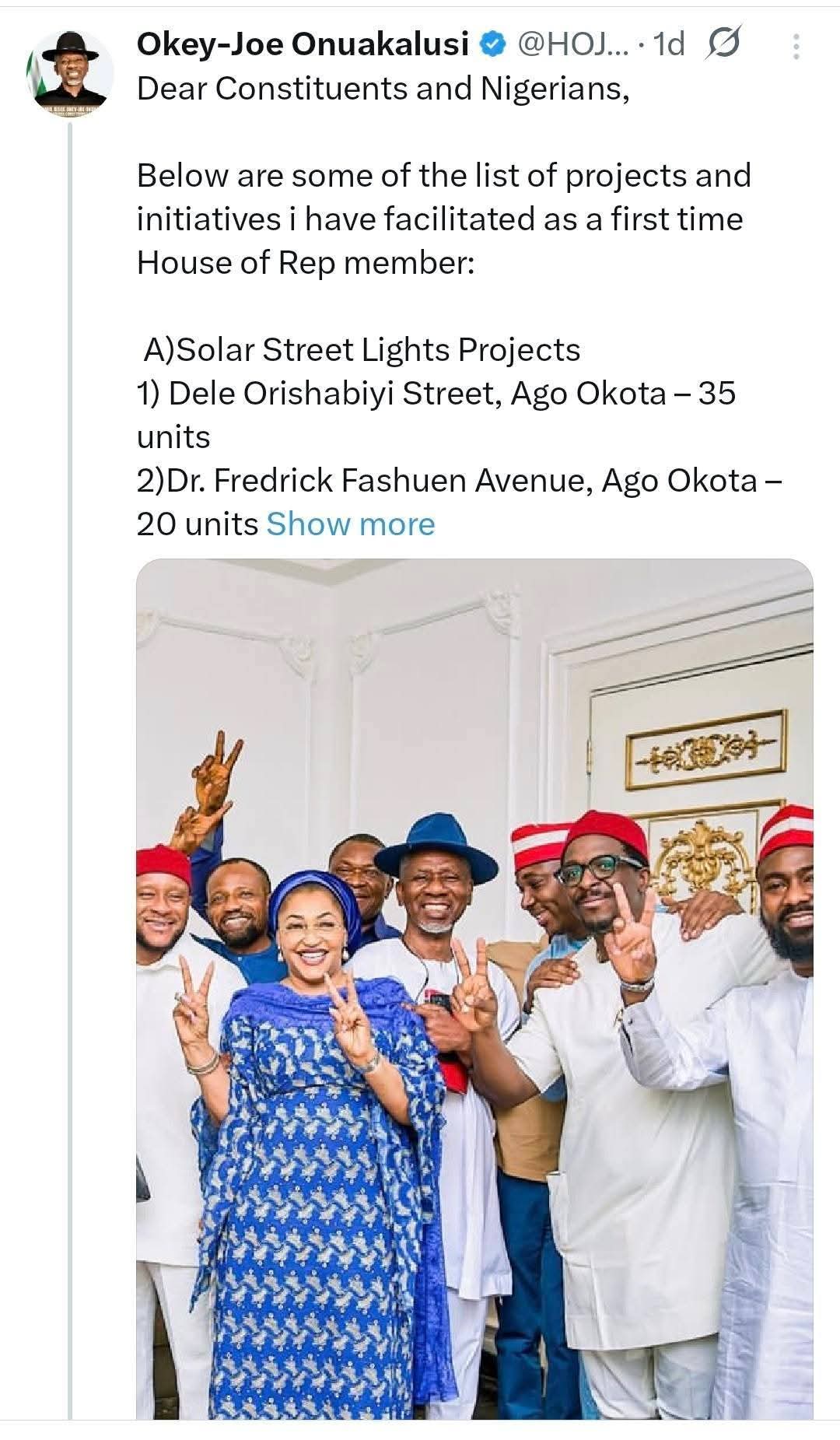
Fresh controversy has erupted in Lagos politics following allegations of ethnic bias and nepotism against Jese Okey-Joe Onuakalusi after a viral list of beneficiaries of his constituency-sponsored foreign training programmes sparked outrage across social media and political circles.
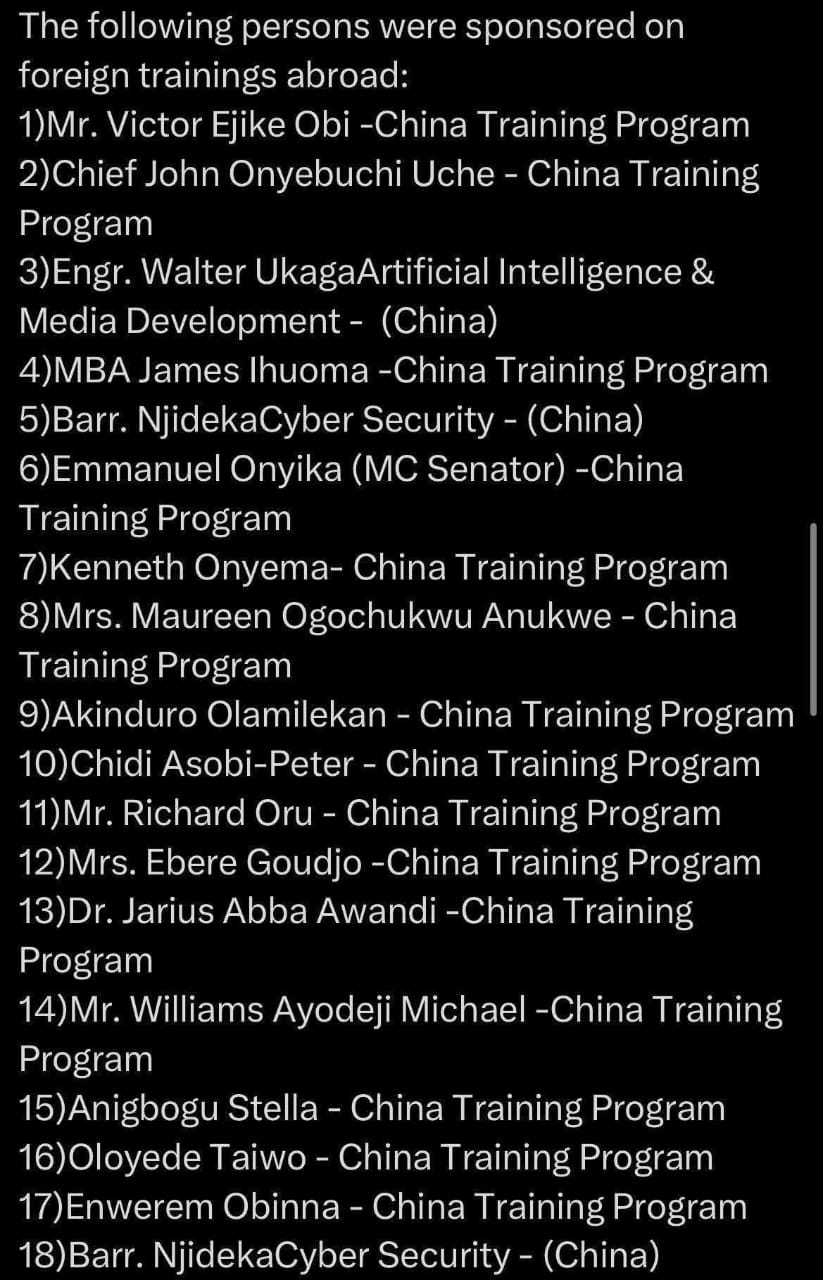
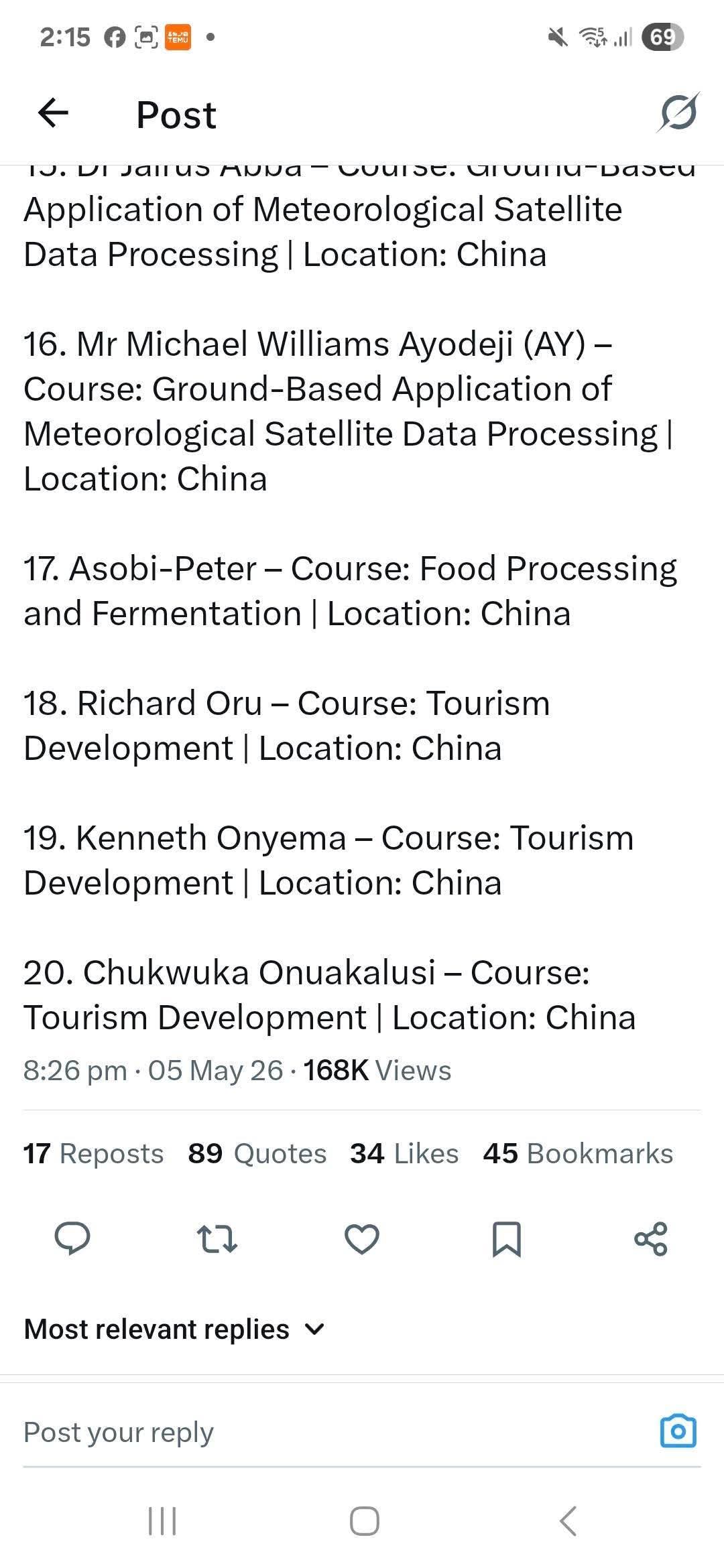
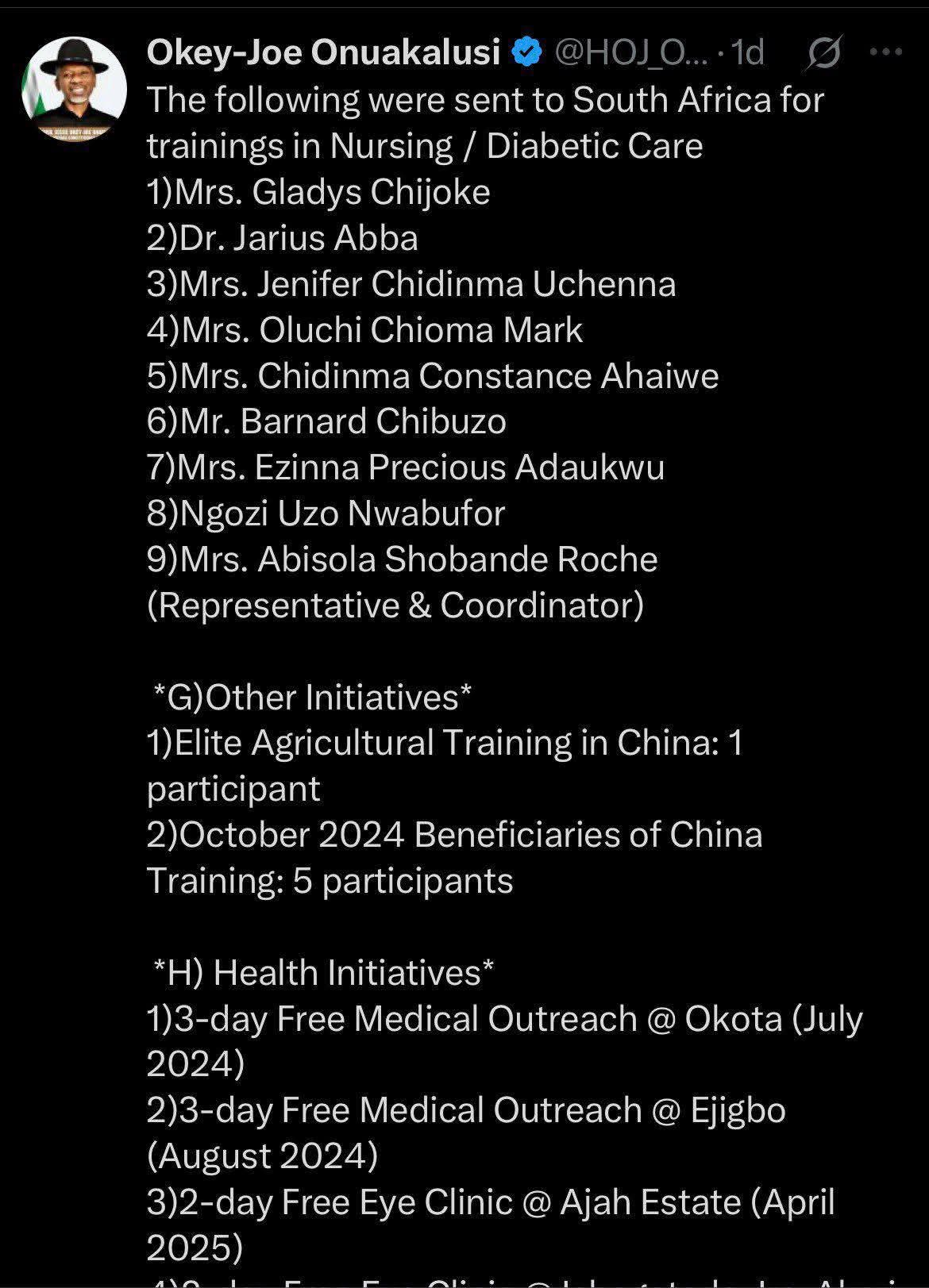
The lawmaker, elected under the platform of the Labour Party to represent the predominantly Yoruba Oshodi-Isolo II Federal Constituency in the House of Representatives, came under heavy criticism after records circulating online showed that a significant majority of the beneficiaries selected for overseas training programmes in China and South Africa appeared to be of Igbo extraction, while only a few Yoruba names appeared on the list.
According to reports, out of 29 beneficiaries initially published, about 24 reportedly bore Igbo names, while only five appeared to be Yoruba. The revelation immediately triggered accusations of tribal favoritism, ethnic exclusion, and abuse of public trust.
The sponsored programmes reportedly covered areas such as artificial intelligence, cybersecurity, tourism development, food processing, nursing, and diabetic care in China and South Africa. Critics argued that constituency projects funded with public resources must reflect fairness, inclusiveness, and equitable representation of the people of the constituency irrespective of ethnicity or political affiliation.
Political commentators, civic groups, and concerned Lagosians expressed anger that a representative elected by a cosmopolitan but largely Yoruba constituency would allegedly distribute opportunities in a manner perceived as heavily skewed toward members of his ethnic group. Many described the development as dangerous for Nigeria’s fragile ethnic balance and democratic culture.
Senior Special Assistant to the Lagos State Governor, Wale Ajetunmobi, reportedly condemned the list, describing the alleged imbalance as “outright ostracism” rather than mere marginalization.
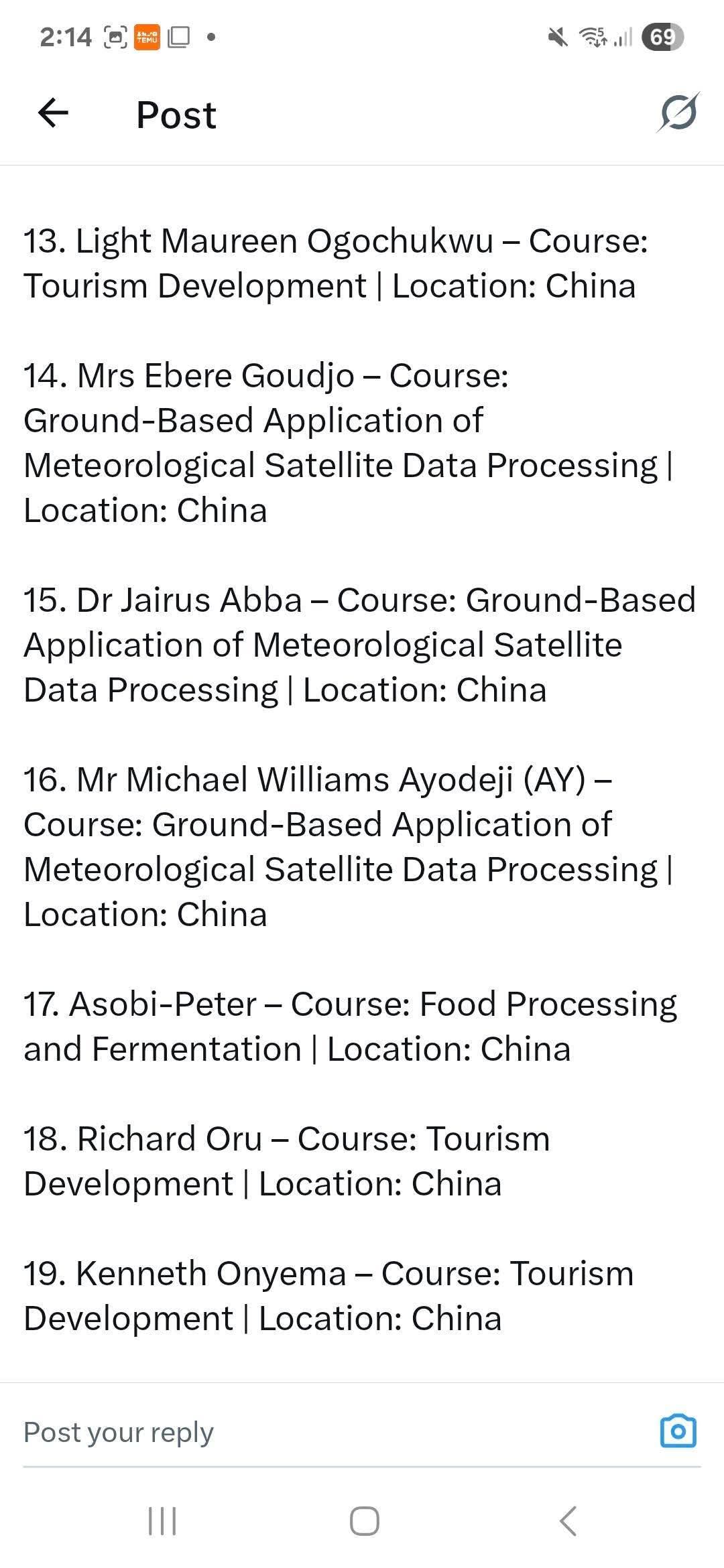
The controversy escalated further after the lawmaker reportedly released another list containing more Yoruba names following the public backlash. However, critics on social media questioned the authenticity of the revised list, with some alleging that several names appeared artificially generated or hurriedly assembled to douse public anger.
Observers say the incident has once again reopened the national conversation about nepotism, ethnic patronage, and the abuse of public office in Nigeria’s political system.
Political analysts note that Nigeria’s democratic stability depends largely on fairness, inclusion, and sensitivity to the ethnic diversity of constituencies. They warn that when elected officials are perceived as prioritizing tribal loyalty over merit and equal representation, it weakens national unity and fuels resentment among citizens.
Lagos, regarded as Nigeria’s most cosmopolitan state and the economic heartbeat of the nation, has historically accommodated Nigerians from every ethnic background. Analysts therefore argue that public office holders in the state carry an even greater responsibility to avoid actions capable of inflaming ethnic tensions.
Constitutional lawyers also maintain that constituency projects are funded with taxpayers’ money and should never be converted into instruments of ethnic patronage or political compensation. They insist that public accountability requires transparent selection processes that give all qualified constituents equal access to opportunities.
Some residents of Oshodi-Isolo warned that the controversy could significantly shape voting patterns ahead of future elections, with several political groups already vowing to mobilize against any politician perceived as promoting ethnic favoritism over inclusive governance.
The episode has also renewed calls for stronger oversight mechanisms on constituency projects across Nigeria. Civil society organizations are demanding legislation compelling lawmakers to publicly disclose transparent criteria for selecting beneficiaries of empowerment schemes, scholarships, trainings, and other publicly funded interventions.
Analysts further argue that unless Nigeria decisively confronts the culture of nepotism, favoritism, and ethnic patronage in governance, public trust in democratic institutions may continue to erode.
Despite the backlash, supporters of the lawmaker insist that the constituency is multi-ethnic and that beneficiaries were selected from among residents and constituents without discriminatory intent.
Nonetheless, the controversy has become one of the most heated political debates currently dominating Lagos political discourse, with many Nigerians insisting that public office must remain a sacred trust guided by justice, fairness, competence, and equal opportunity for all citizens regardless of tribe or origin.
