

By Peter Omopo
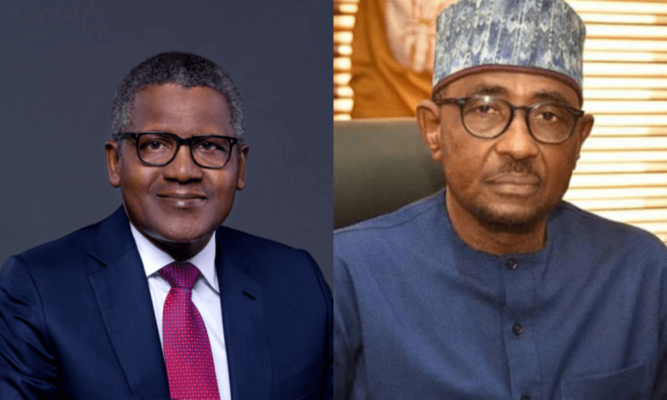
The Independent Corrupt Practices and Other Related Offences Commission (ICPC) has requested Africa’s richest man, Aliko Dangote, to personally appear before the commission to formally adopt a corruption petition he filed against the former Chief Executive Officer of the Nigerian Midstream and Downstream Petroleum Regulatory Authority (NMDPRA), Farouk Ahmed.
Dangote had accused Ahmed of alleged fraudulent practices, including claims that more than $7 million in public funds was spent on the education of Ahmed’s four children in Switzerland. The former NMDPRA boss has yet to publicly respond to the allegations.
In a letter dated December 24 and addressed to Dangote’s legal counsel, Dr Ogwu Onoja, SAN, the ICPC said the seriousness of the petition required the complainant’s personal appearance. Onoja had earlier visited the commission on December 22 to adopt the petition on behalf of his client.
The anti-graft agency explained that the Corrupt Practices and Other Related Offences Act, 2000, does not permit proxy representation in petitions that may result in criminal prosecution. According to the ICPC, personal adoption of such petitions is required to safeguard procedural integrity and ensure admissibility should the matter proceed to court.
The letter, signed by the Chief of Staff to the ICPC Chairman, Rouqayya Ibrahim, invited Dangote to appear at the commission’s headquarters on December 29, 2025, at 10:00 a.m. to formally adopt the petition.
The petition comes amid a long-standing dispute between Dangote’s refinery operations and Nigeria’s petroleum regulatory authorities. In 2024, Dangote Petroleum Refinery and Petrochemicals FZE filed a ₦100 billion lawsuit challenging the issuance of petroleum import licences, arguing that the policy undermined domestic refining capacity. The suit was later withdrawn.
Reiterating its guidelines, the ICPC noted that any individual may petition the commission against persons or corporate entities where there are reasonable grounds to suspect offences under Nigeria’s anti-corruption laws.
