

By Peter Omopo
The year 2025 was a turbulent one for Nigeria, marked by far-reaching economic reforms, security challenges, and major political developments that shaped national discourse. From a tragic tanker explosion in Niger State at the start of the year to the dramatic shake-up in the oil and gas regulatory sector in December, these events underscored the gap between government policies and the lived realities of many Nigerians.
Below is a month-by-month review of some of the most significant developments that defined Nigeria’s public life in 2025.
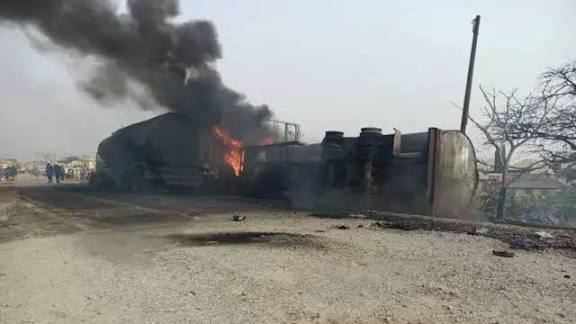
In January, Nigeria was shaken by a deadly petrol tanker explosion along the Dikko–Maje Road in Suleja Local Government Area of Niger State. No fewer than 70 people were killed, while many others sustained injuries after attempting to scoop fuel from a fallen tanker. The Niger State Federal Road Safety Corps Commander, Kumar Tsukwam, confirmed the incident, explaining that residents were unaware of the imminent danger before the explosion occurred.
February witnessed major political and economic developments. In Lagos State, members of the House of Assembly impeached Speaker Mudashiru Obasa over allegations of fraud, replacing him with Hon. Mojisola Meranda. The impeachment also led to the indefinite suspension of the Clerk of the House, Olalekan Onafeko, and the dissolution of principal positions and standing committees. Lawmakers described the move as constitutional and necessary, insisting it reflected their collective will.
At the national level, the National Assembly passed Nigeria’s 2025 budget of ₦54.99 trillion, the highest in the country’s history and nearly double the ₦27.5 trillion budget of 2024. President Bola Ahmed Tinubu had initially proposed ₦49.7 trillion before requesting an upward review. The budget allocated ₦23.96 trillion to capital expenditure and ₦14.32 trillion to debt servicing, with a deficit-to-GDP ratio of 1.52 percent.
Also in February, diplomatic tensions surfaced after Canada denied visas to top Nigerian military officials, including the Chief of Defence Staff. National Security Adviser Nuhu Ribadu publicly condemned the action, describing it as disrespectful. Speaking at a security lecture in Abuja, Ribadu openly criticised the Canadian authorities, while the CDS described the incident as disappointing but a reminder of the need for national self-respect.
In March, President Tinubu declared a state of emergency in Rivers State, citing a breakdown of governance caused by a prolonged political standoff between Governor Siminalayi Fubara and the State House of Assembly, as well as attacks on critical oil infrastructure. The proclamation, made under Section 305 of the Constitution, effectively suspended normal political processes in the state.
April was dominated by controversy in the National Assembly following the suspension of Senator Natasha Akpoti-Uduaghan for six months over alleged unruly conduct during a plenary session. The suspension followed a dispute over seating arrangements. Subsequently, the senator accused Senate President Godswill Akpabio of sexual harassment, an allegation he firmly denied, further heightening political tensions and public debate.
Together, these developments reflected a year of intense political maneuvering, economic strain, and social challenges. As Nigeria moved through 2025, each episode contributed to shaping national conversations around governance, accountability, security, and the relationship between the state and its citizens.
