

By Peter Omopo
Thousands of households across parts of Kent and Sussex were still without water, or facing intermittent supply, for a fourth consecutive day on Tuesday, prompting mounting anger from residents, businesses and politicians.
The disruption, affecting up to 25,000 properties, began on Saturday and has been blamed by South East Water on the impact of Storm Goretti, freezing weather and a power failure at one of its pumping plants. Kent County Council has declared the situation a major incident.
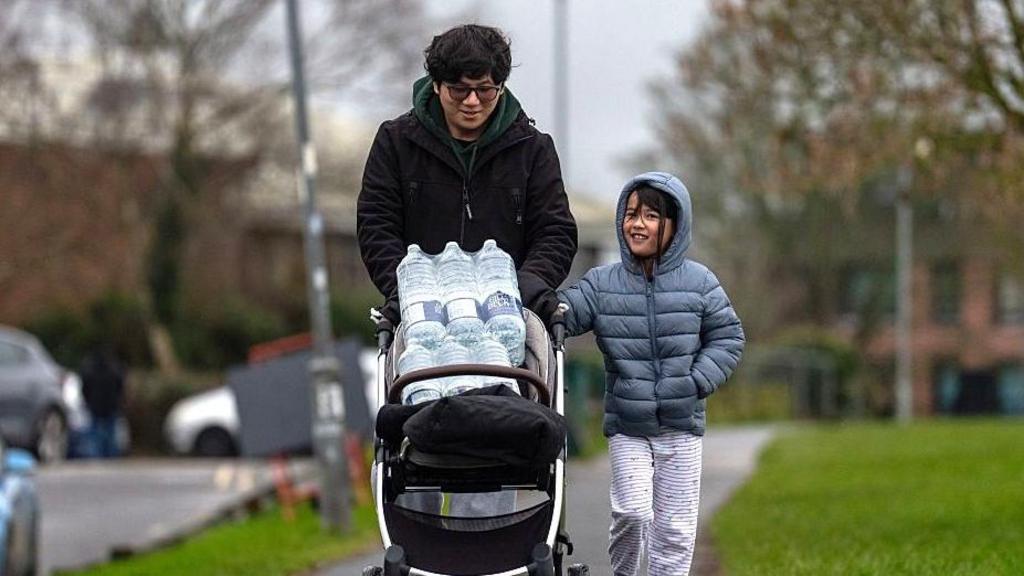
Residents described the situation as “disgusting”, “devastating” and “a shambles”, with many saying they had been unable to wash properly for days and were relying on bottled water or neighbours for basic needs.
A new mother in East Grinstead told the BBC she was depending on neighbours to access water, while café owners and independent retailers said they had been forced to shut, discard food and lose vital income. Julie Wood, manager of The Signal Box Café in Hollingbourne, said closing during what should have been the first trading weekend after Christmas was “devastating for our business”.
Schools have also been affected, with at least seven remaining closed due to a lack of water. Kingswood Primary School headteacher Lynsey Sanchez Daviu said the school had to use its budget to buy bottled water from supermarkets after tap water became cloudy and undrinkable.
South East Water said some supplies had been restored in parts of Tunbridge Wells, Maidstone, Canterbury, Headcorn and West Kingsdown, and that water to around 16,500 properties in East Grinstead was expected to be fully restored by Wednesday afternoon. The company said it was deploying 26 tankers, opening bottled water stations and working “around the clock” to fix burst mains and leaks caused by freezing conditions.
However, the number of affected areas rose to 17 on Tuesday, including Tonbridge, Ashford, East Grinstead, Burgess Hill, Tunbridge Wells, Kingswood and Marden.
The government described the situation as “completely unacceptable”, while water regulator Ofwat said it was considering “further action” to determine whether South East Water had met its legal obligations. The Consumer Council for Water also criticised the company, with chief executive Mike Keil saying the recurring failures showed a lack of investment in infrastructure.
Political pressure has intensified, with several MPs calling for the resignation of South East Water’s chief executive, David Hinton. The Environment, Food and Rural Affairs Select Committee has announced plans to recall senior executives from the company and the Drinking Water Inspectorate to give further evidence to Parliament once the current crisis eases.
South East Water has apologised for the disruption, insisting it is doing everything possible to restore normal supplies and support vulnerable customers. Bottled water stations remain open, and hospitals, care homes and schools are being prioritised for emergency supplies.
