By Titilayomi
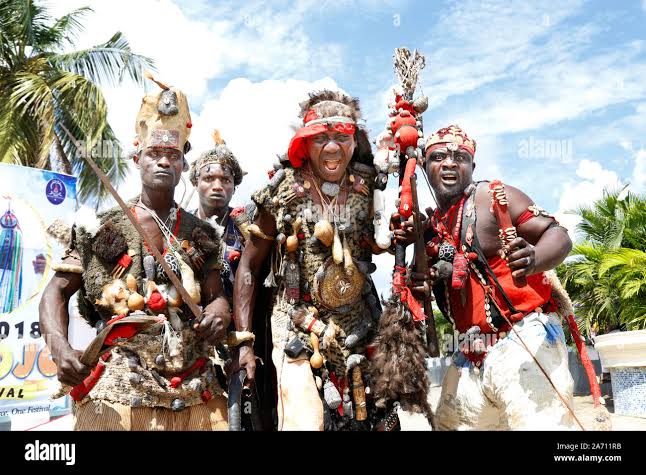
The ancient city of Ile-Ife, regarded as the spiritual cradle of the Yoruba race, once again transformed into a spectacular runway of cultural originality and high-end fashion during the just-concluded Olojo Festival in September 2025.
The festival, an annual celebration of the dawn of creation and the worship of Ogun (God of Iron), proved that tradition and contemporary luxury can co-exist in magnificent harmony.
The fashion on display was more than mere attire; it was a profound statement of identity, prestige and the global relevance of Yoruba heritage.


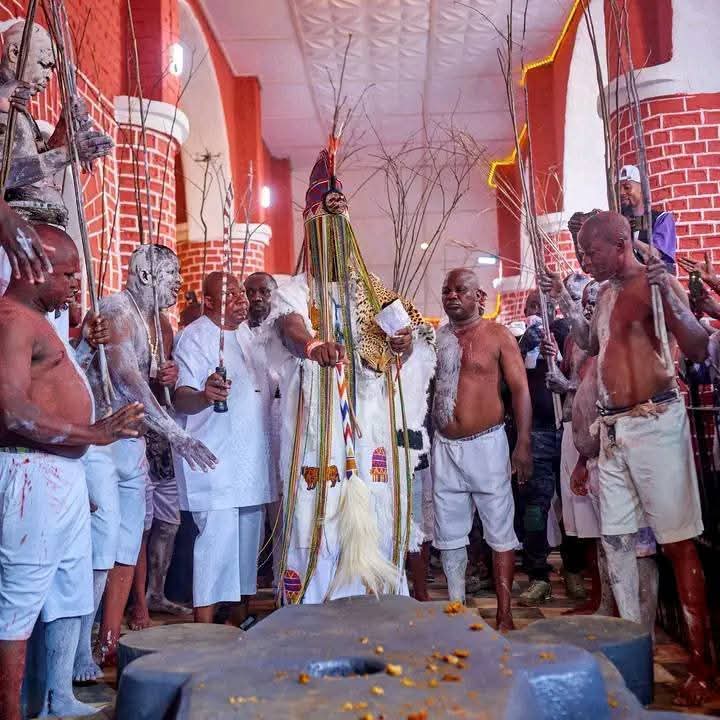
The Apex of Tradition: The Ooni and the sacred Arè Crown.
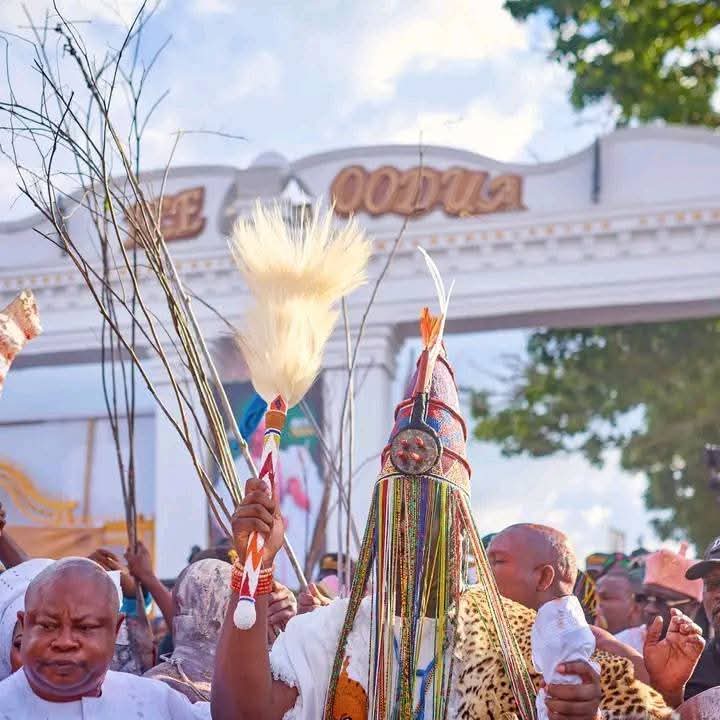
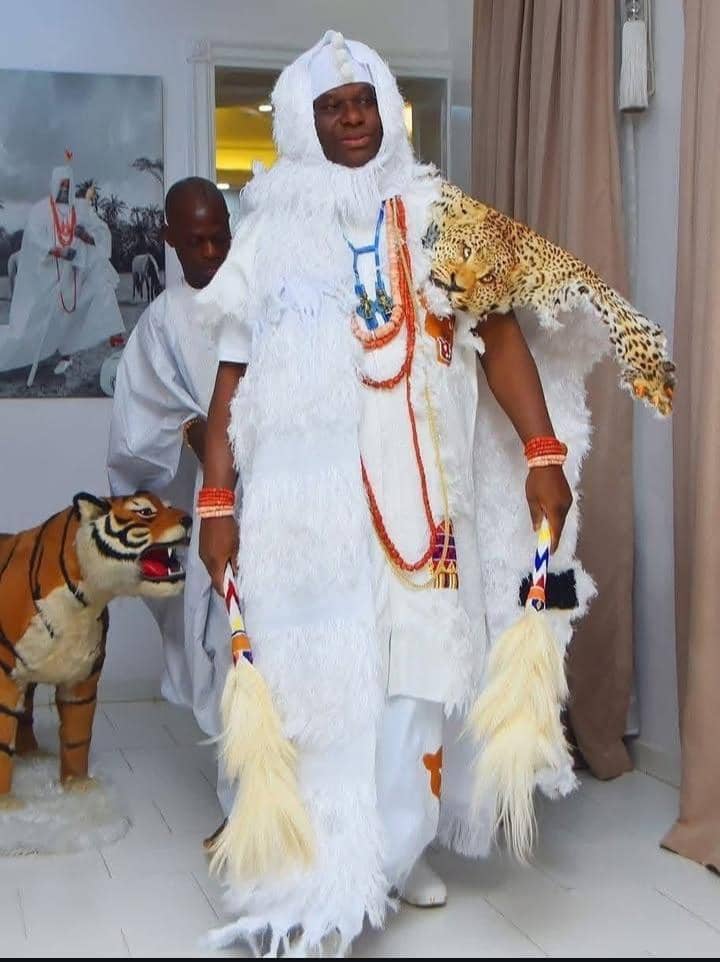
The most significant fashion and spiritual statement of the entire festival remains the appearance of the Ooni of Ife, Oba Adeyeye Enitan Ogunwusi, Ojaja II, as he steps out of his seven-day seclusion to don the sacred Arè Crown.
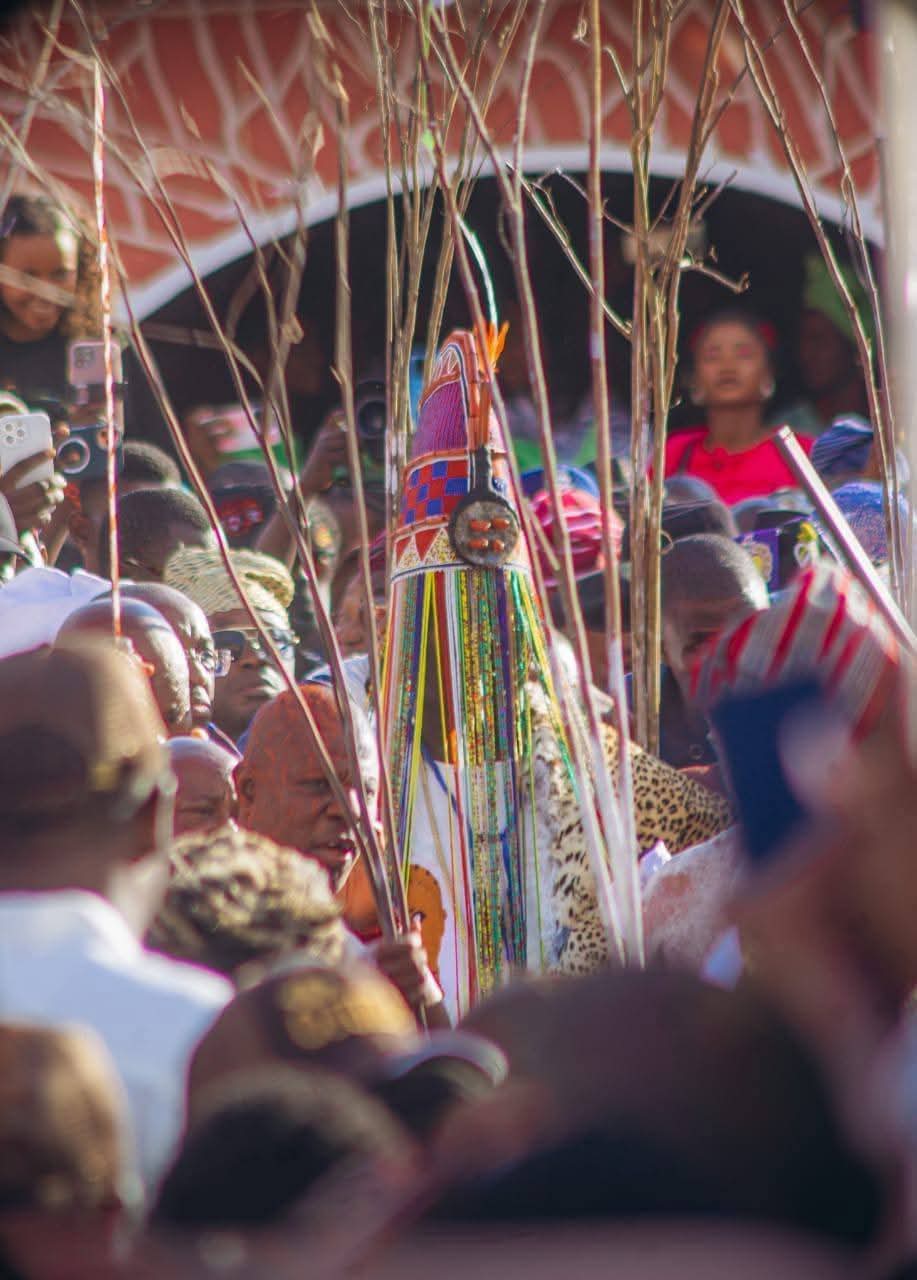
This beaded crown, believed to be the original worn by Oduduwa, the progenitor of the Yoruba people, is a breathtaking piece of art and history. Its unique construction, heavy weight and incorporation of sacred objects make it an incomparable spiritual relic. The Ooni’s all-white apparel preceding the wearing of the Aare Crown is itself a statement of purity and spiritual readiness, setting the tone for the culminating procession at the Okemogun Shrine. This moment is the ultimate nexus of original cultural power and spiritual majesty.
Olori Elegance: The Rise of Royal Haute Couture.
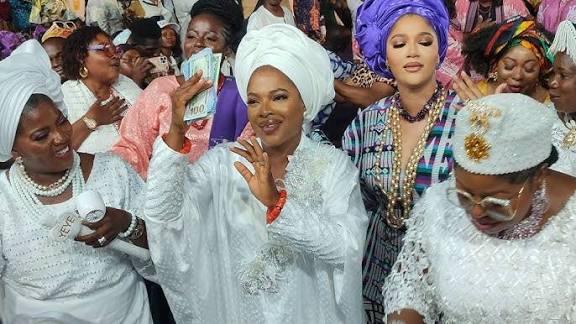
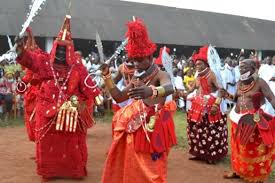
The wives of the Ooni, the Oloris, consistently delivered some of the festival’s most impactful high-end fashion moments. Their all white attire was a perfect study in combining traditional Yoruba styles with luxury fabrication and intricate detailing.


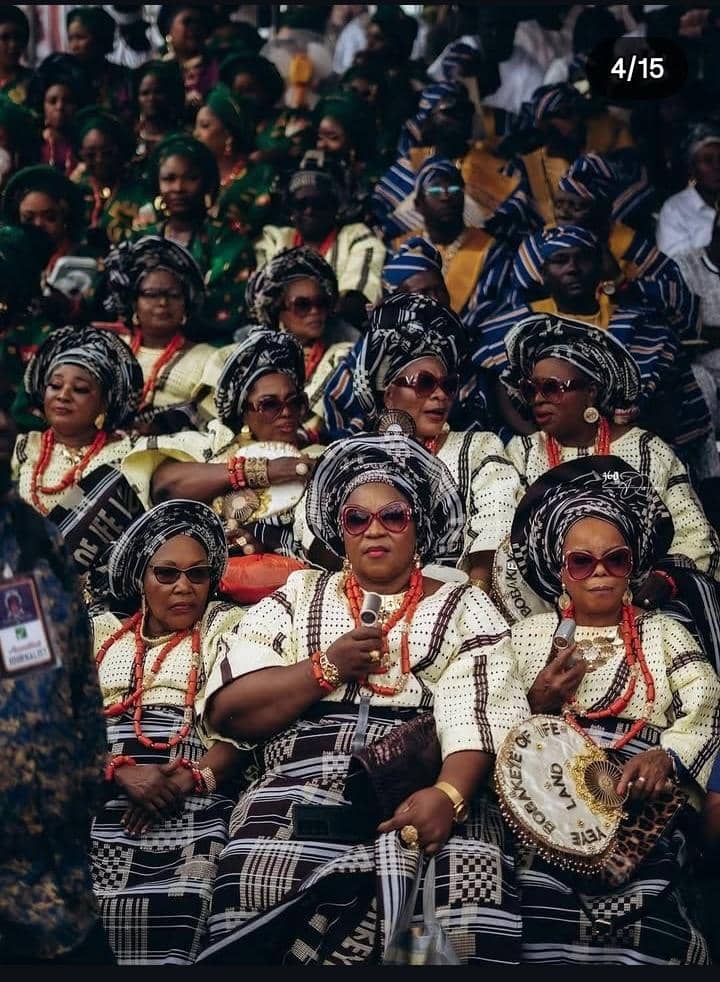
Aso-Oke as Canvas:
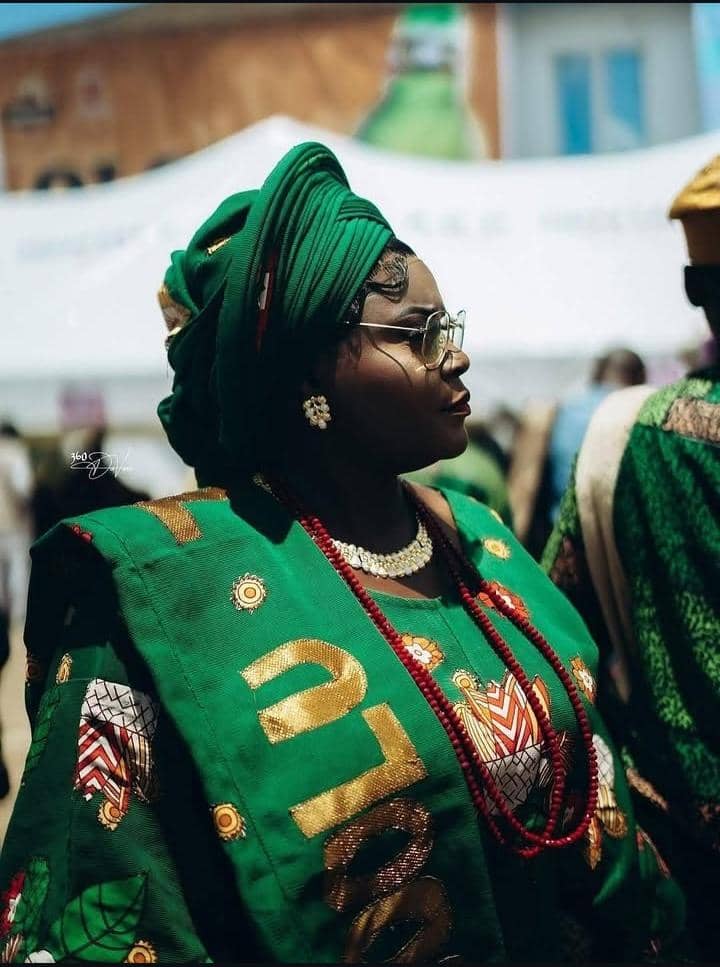
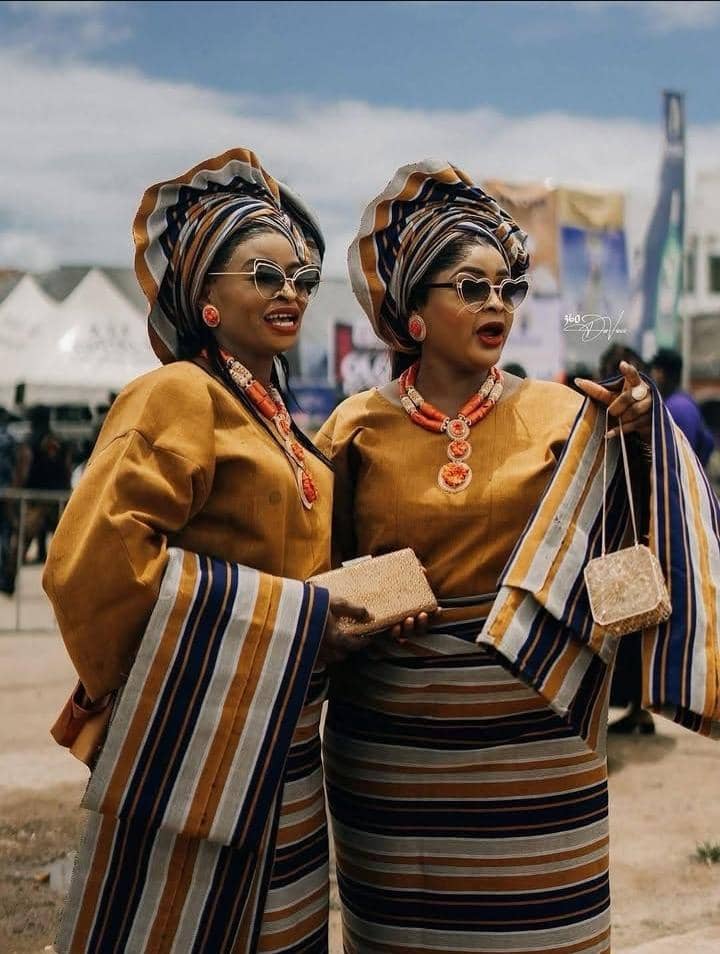
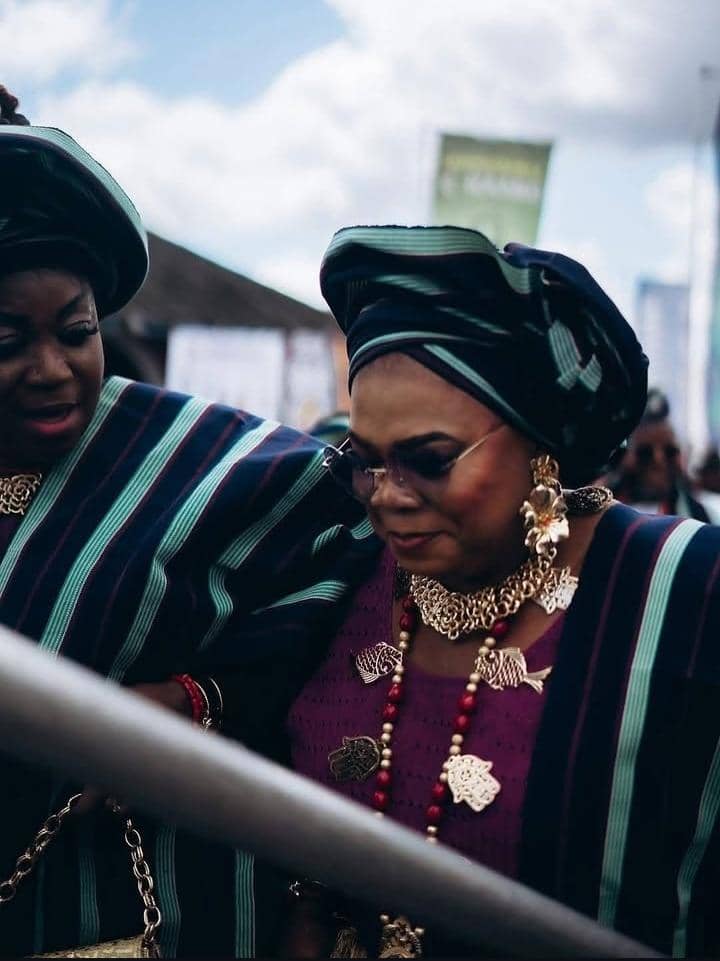
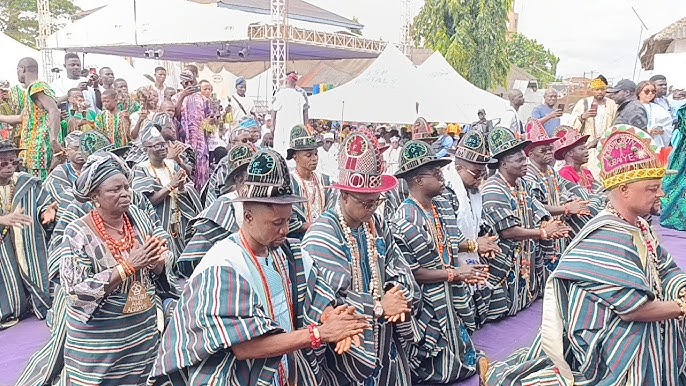
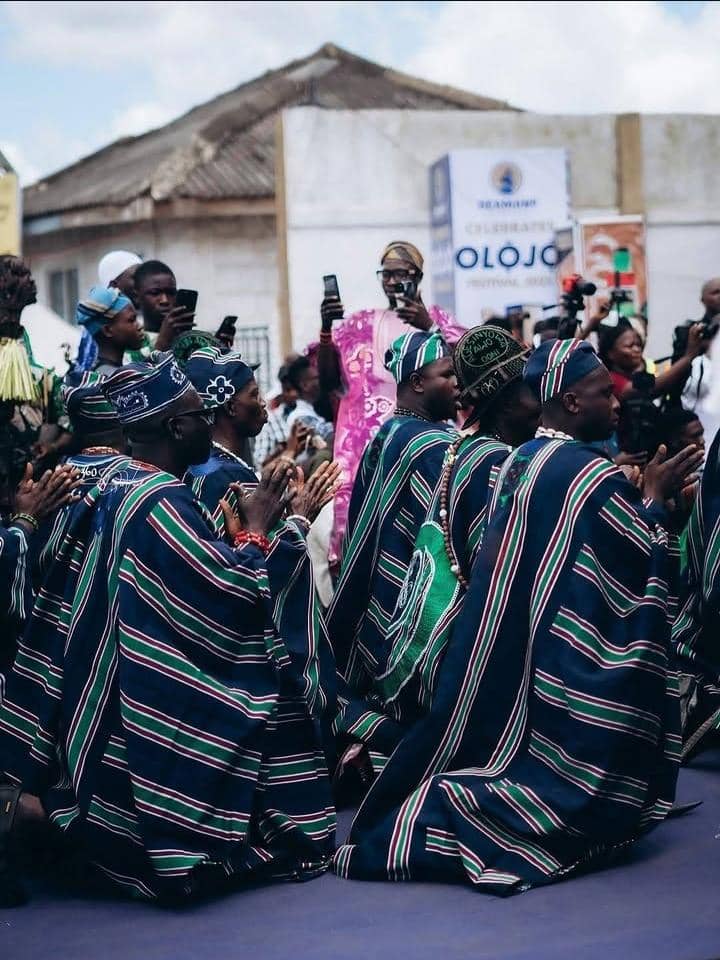
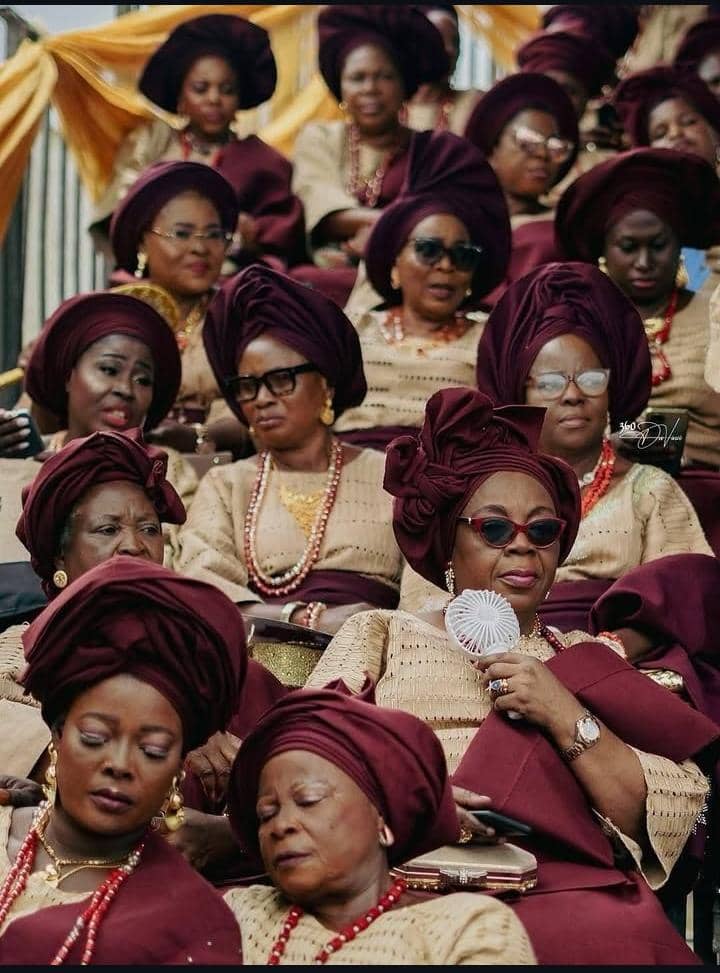
The traditional Aso-Oke fabric was a dominant feature, but reinterpreted with modern, custom-woven patterns and vibrant, sophisticated colourways; especially like the trendy Kente aso oke.
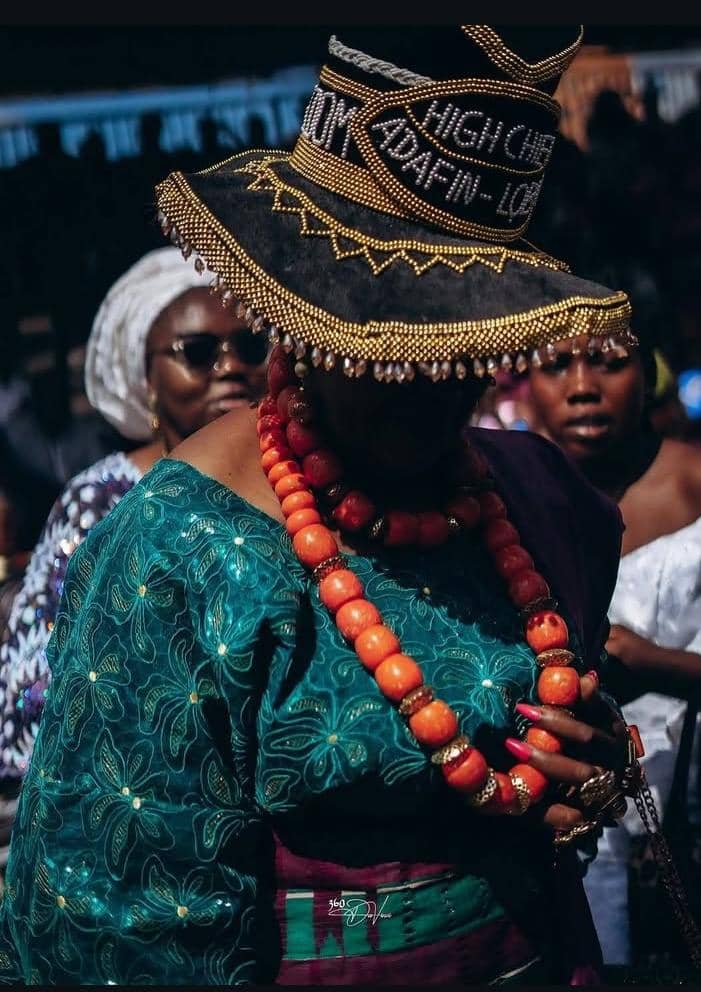
The voluminous Iro and Buba or intricately tailored gowns featured meticulous hand-beading, embroidery and sculptural elements that spoke to true haute couture craftsmanship.
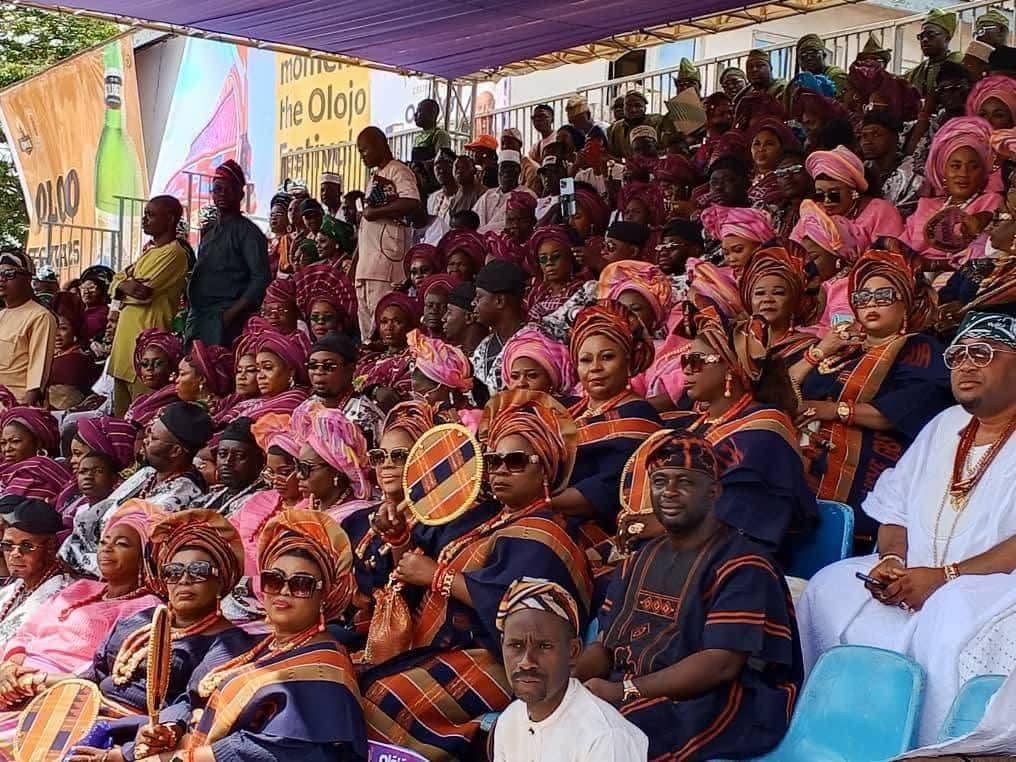
The Gele Statement:
Head-gears (Gele) were fashioned with expert precision, tied in gravity-defying, multi-layered styles that required specialist artistry. These headpieces served as towering crowns, complementing the royal presence with layers of silk, brocade, or stiffened Aso-Oke.
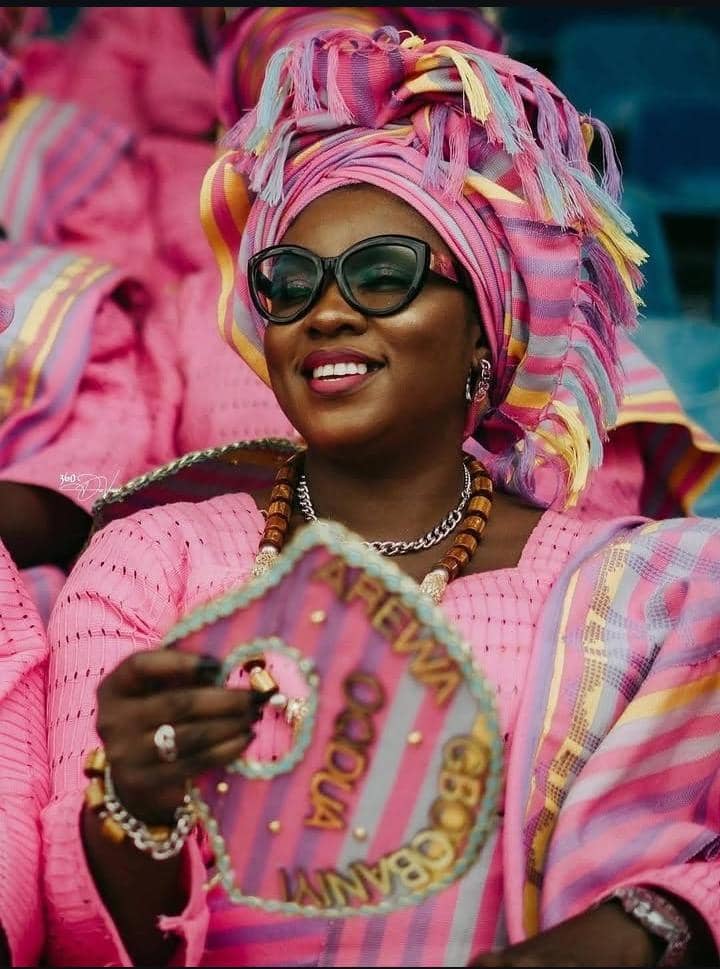
Jewelry and Adornments:
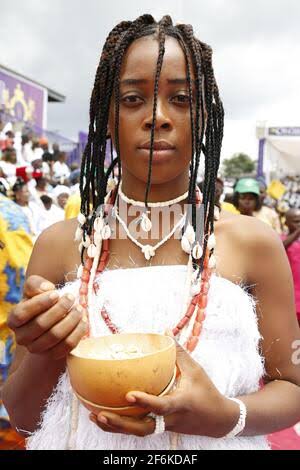
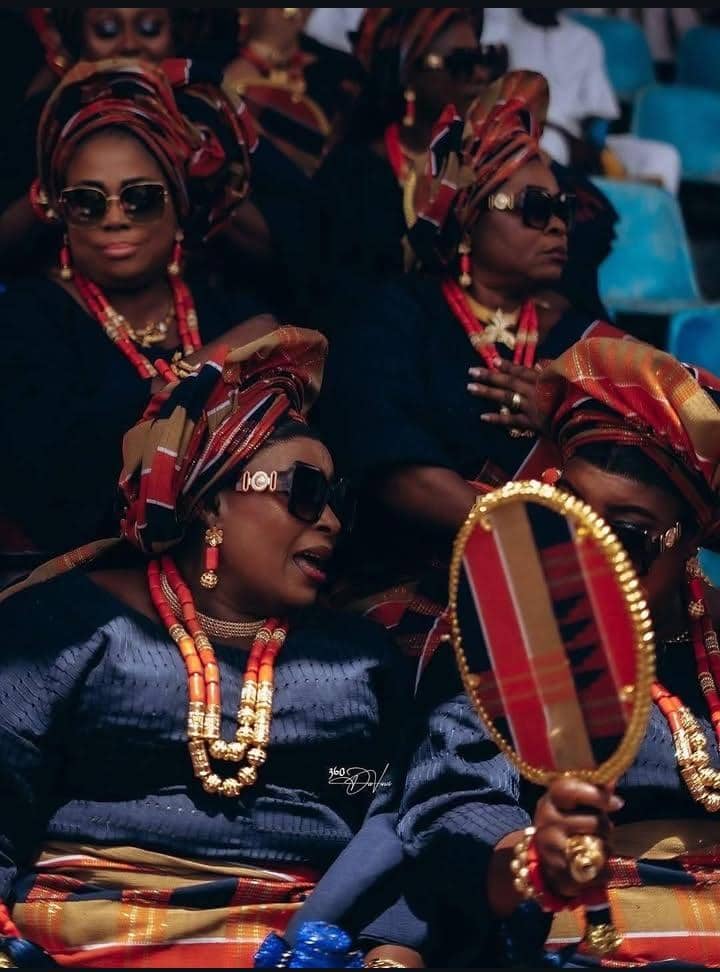
The outfits were finished with elaborate coral beads and gold jewelry, echoing ancient royalty while adding a contemporary sparkle that truly distinguished their looks as high fashion.
The Cultural Exchange:
Contemporary Interpretations
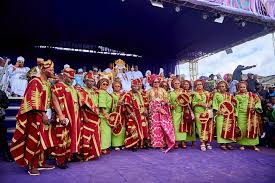
beyond the royal court, thousands of guests, dignitaries and Ile-Ife citizens used the Olojo Festival as an opportunity to showcase Yoruba culture through a contemporary lens. The theme of “Cultural Rebirth” for the 2025 edition inspired many to experiment with cultural wear, elevating it to high-end street style and occasion-wear.
Designer Agbada:
Men’s traditional Agbada saw a resurgence of clean, modern tailoring. Designers used deep, rich fabrics like velvet, silk and polished Aso-Oke, incorporating metallic thread embroidery and subtle, geometric motifs. These were accessorized with bespoke leather slippers and classic walking sticks, demonstrating a commitment to heritage without sacrificing modern sophistication.
Adire Oodua Exhibit:
The festival’s grand finale, featuring the Adire Oodua Cultural Exchange Exhibition, highlighted the success of revitalizing the ancient tie-dye technique. Attendees wore modern garments—from structured blazers to flowing maxi dresses—made from premium, locally produced Adire fabric, turning the ancient dye technique into a global fashion trend.
The Power of Accessorizing:
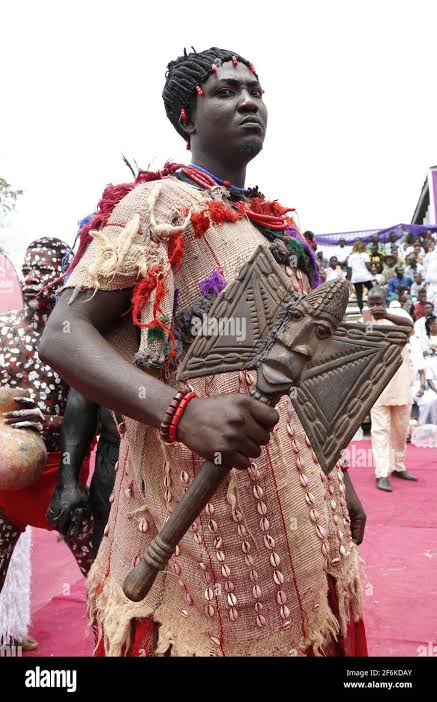
The ultimate high-fashion cultural statement was often made through accessories: personalized beaded necklaces and wristbands, vintage-style carved wooden fans and elaborately detailed, hand-painted leather bags, proving that attention to detail transforms traditional wear into luxury wear.
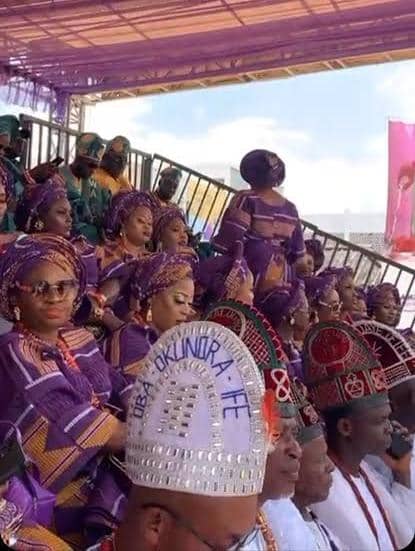
In essence, the Olojo Festival 2025 was a powerful declaration that authentic Yoruba cultural attire is not just a relic of the past, but a vibrant, evolving source of high-end global fashion, seamlessly bridging heritage and luxury.