By Titilayomi Àníké
Regal Threads and Vibrant Hues:
Who Wore What at the Olubadan’s Coronation?
The coronation of the 44th Olubadan of Ibadanland, Oba Rashidi Adewolu Ladoja, on Friday, September 26, 2025, was more than a historic political event; it was a dazzling spectacle of Yoruba culture, tradition and Nigerian high fashion.
The Mapo Hall, the ceremonial venue, came alive with a kaleidoscope of fabrics, intricate beadwork and carefully styled traditional regalia, setting a new benchmark for royal celebrations.
The style narrative of the day was one of opulence meets culture, with guests—ranging from the President and traditional rulers to political leaders and Ibadan indigenes—showcasing the best of West African traditional attire, particularly Yoruba fashion.
The Monarch’s Regalia
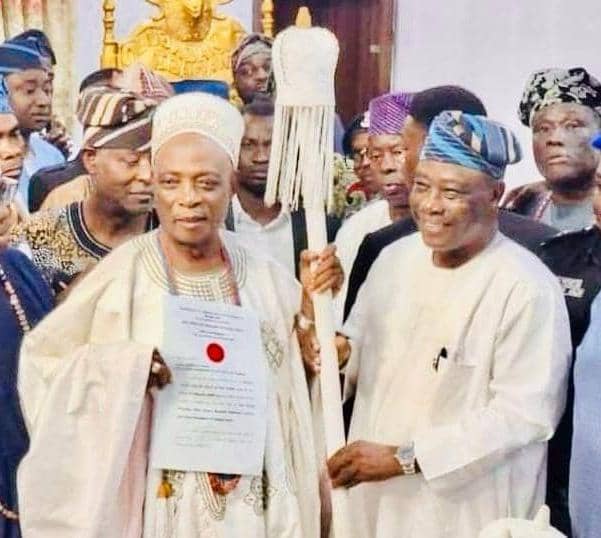
The centrepiece of the sartorial display was, naturally, the new Olubadan himself.
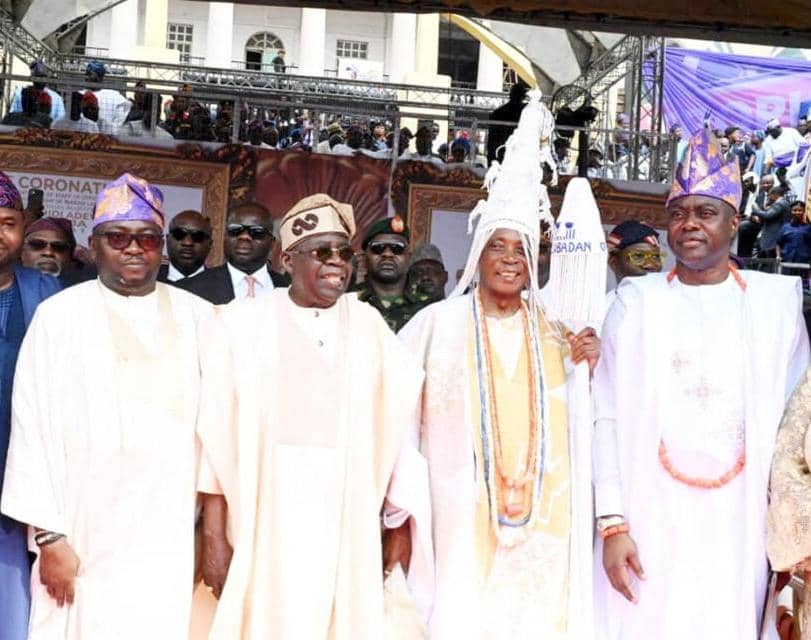
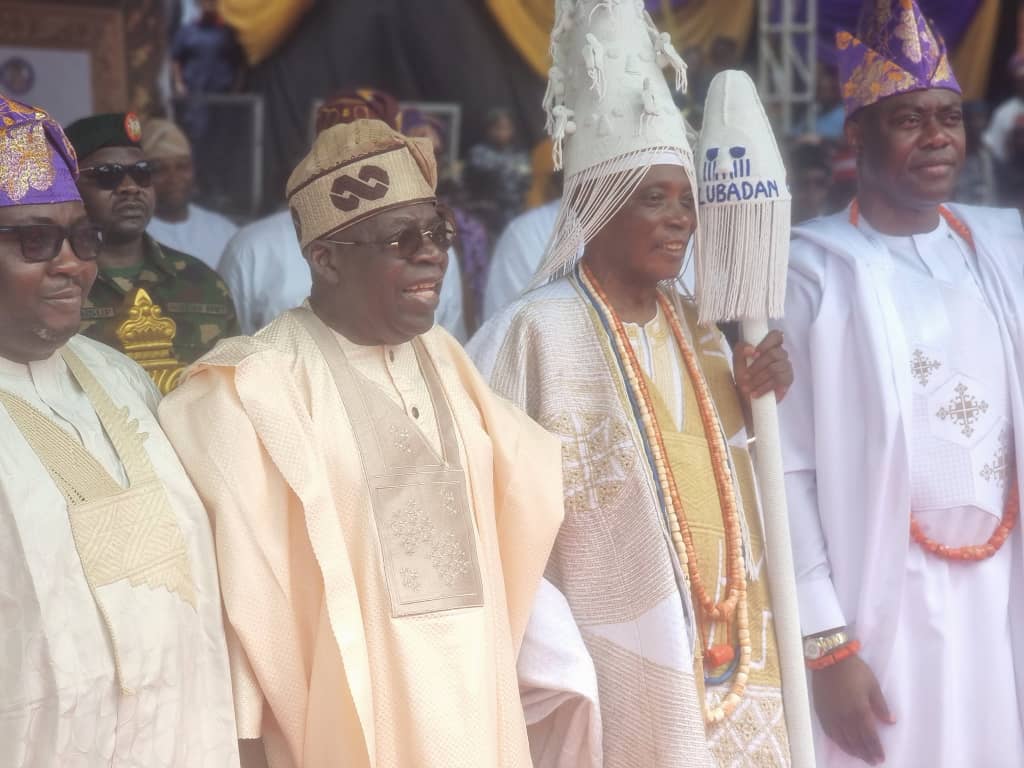
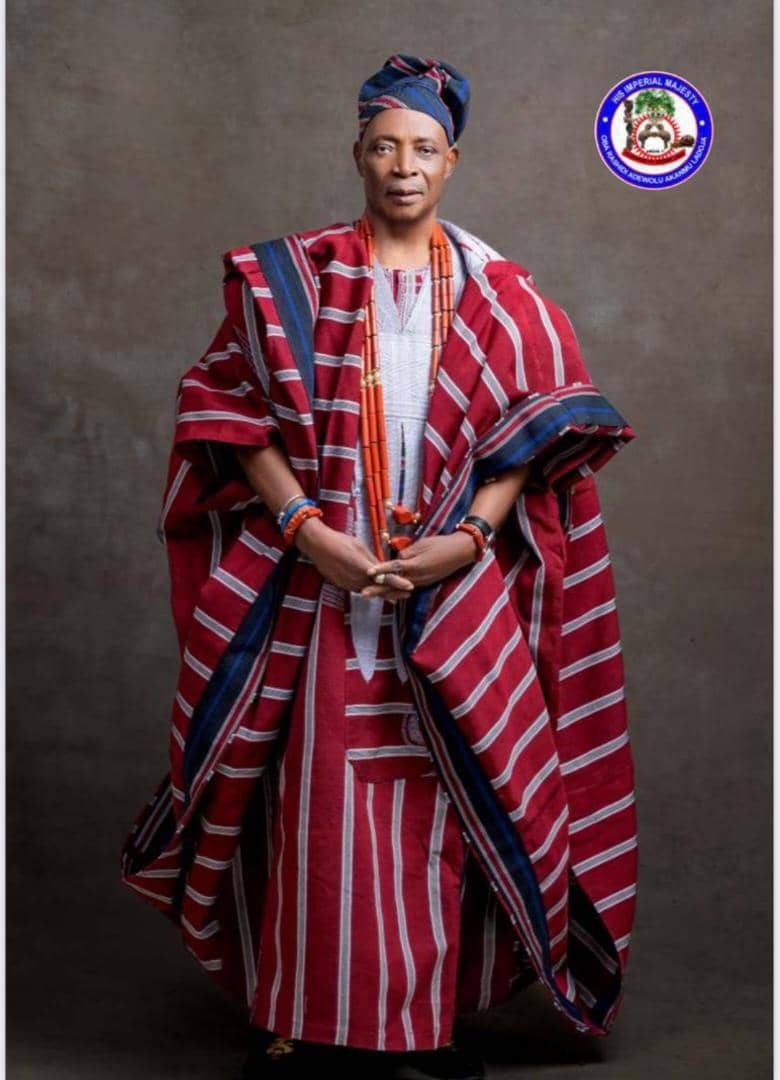
Oba Ladoja’s coronation attire was a profound statement of royalty and tradition. While the full sequence of the monarch’s changes is reserved for intimate accounts, his public appearances featured:
The Crown: The sacred Akoko leaves placed on his head in a private rite preceded the formal crowning with a majestic beaded crown (Ade)—the ultimate symbol of his imperial majesty and authority. The crown, typically richly adorned with colourful beads, signifies the lineage and sacredness of the Olubadan throne.
Royal Fabric: The Oba’s ensemble was predominantly tailored from luxurious, heavy-duty fabrics, lAso-Oke finely woven Agbada, in colours that command respect and nobility, featuring intricate embroidery in contrasting hues.
Accessories of Authority:
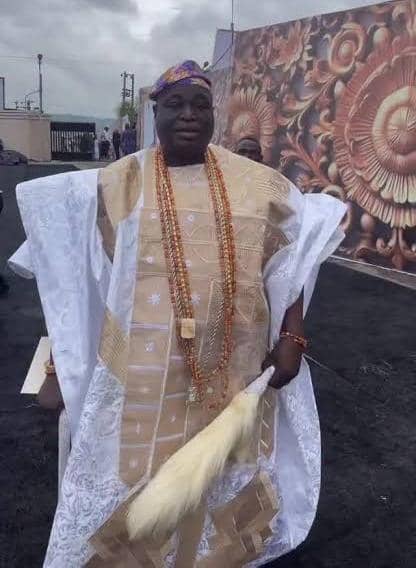
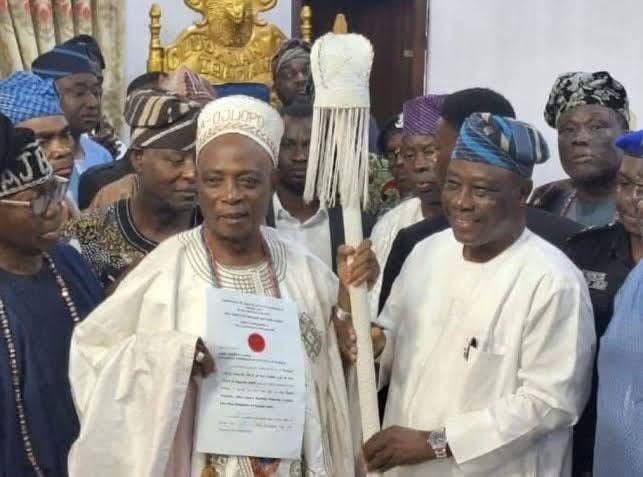
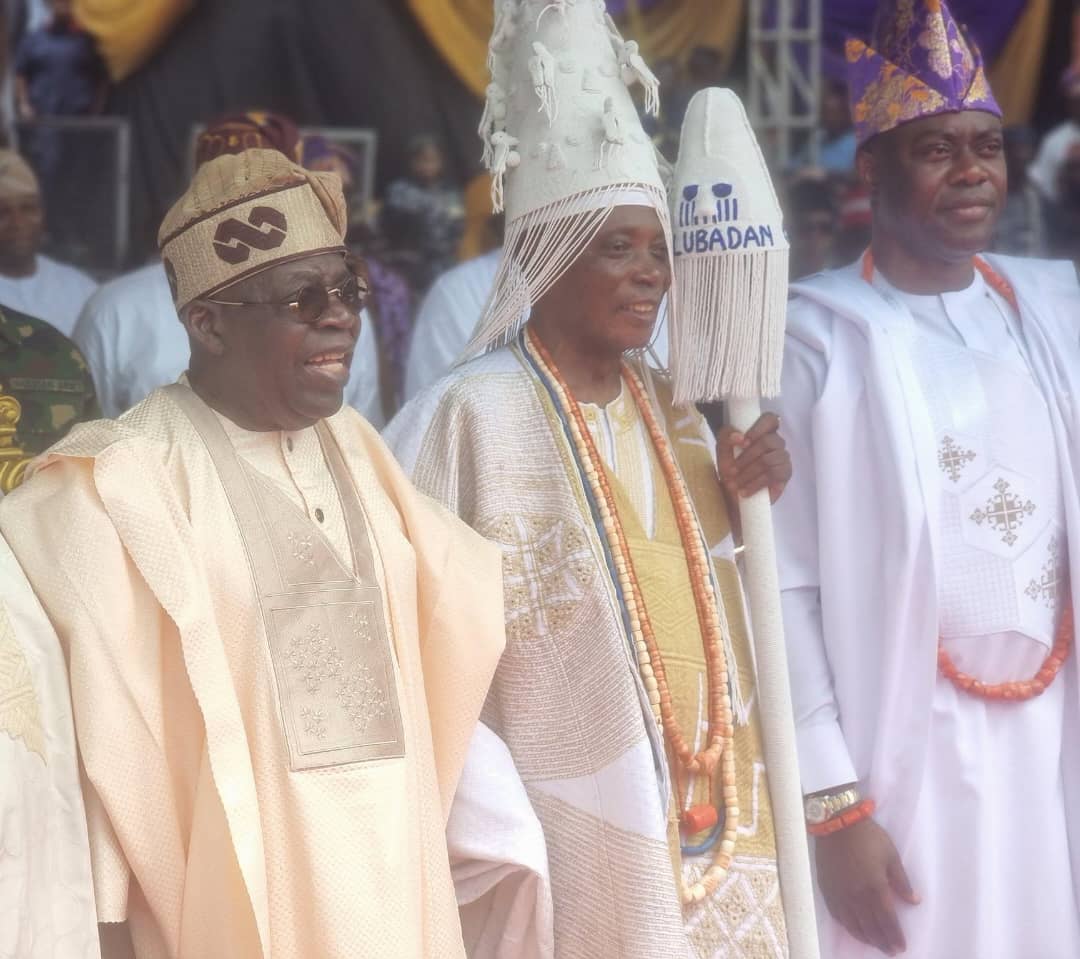
Crucial elements of the royal ensemble included layers of coral beads (Iyun), a universal symbol of royalty and power in many parts of Nigeria, worn around the neck and wrists. The monarch was also presented with the Staff of Office, a potent symbol of his secular authority.
The Dignitaries:
A Sea of Splendour!
The guests adhered to a dress code that celebrated Nigerian heritage, resulting in a vibrant, coordinated-yet-individualistic fashion parade.
The Yoruba Royalty and Traditional Leaders:
The assembly of traditional rulers from across Yorubaland and Nigeria, including the Ooni of Ife, Alaafin of Oyo, Soun of Ogbomoso and the Sultan of Sokoto, provided some of the most spectacular looks.
Men’s Royal Attire:
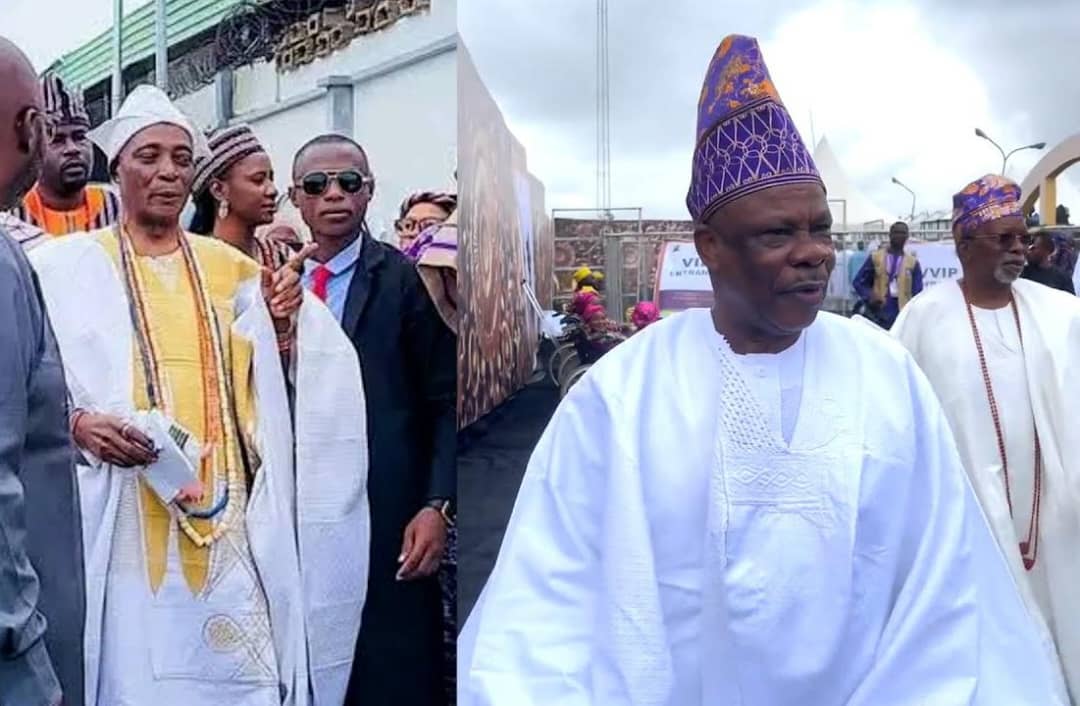
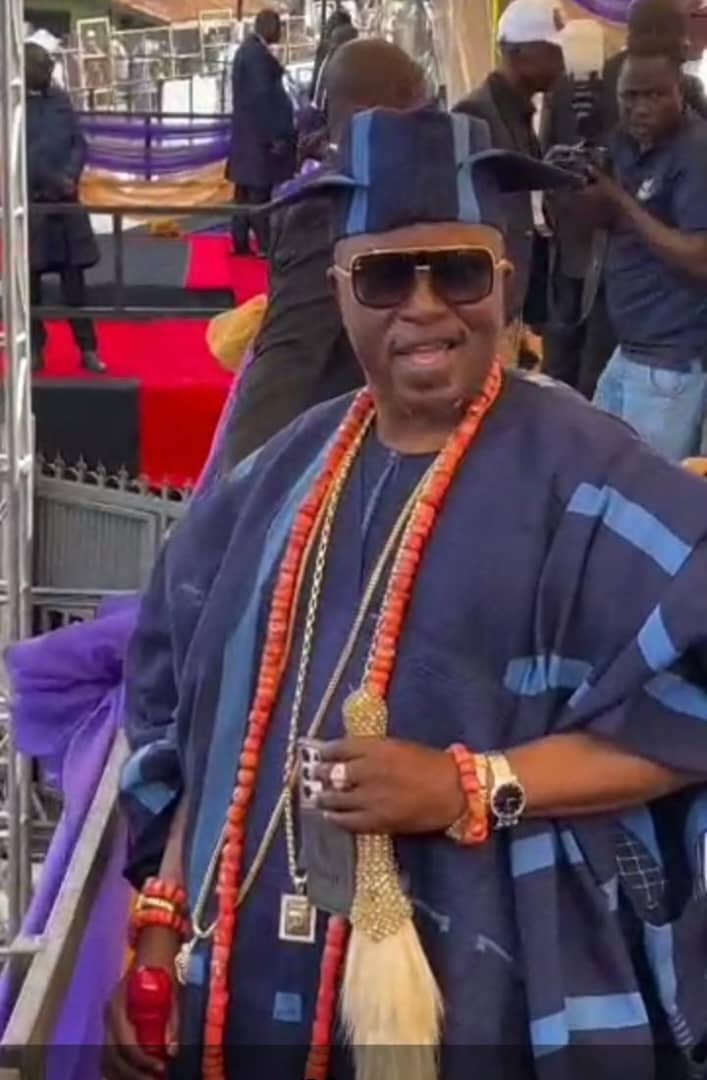
Traditional rulers favoured impeccably tailored Agbada , which featured extensive, geometric embroidery, often in rich Damask, or Aso-Oke.
Colours ranged from pristine whites and creams to deep royal blues, purple, gold and vibrant reds. Most wore their signature Fila (cap) to match or complement their outfits, often with delicate, hand-stitched details.
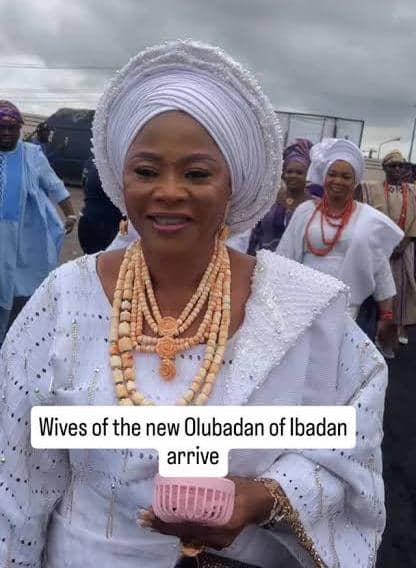
The Wives of Kings:
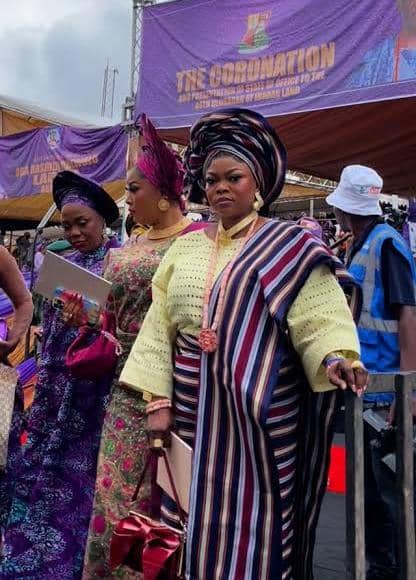
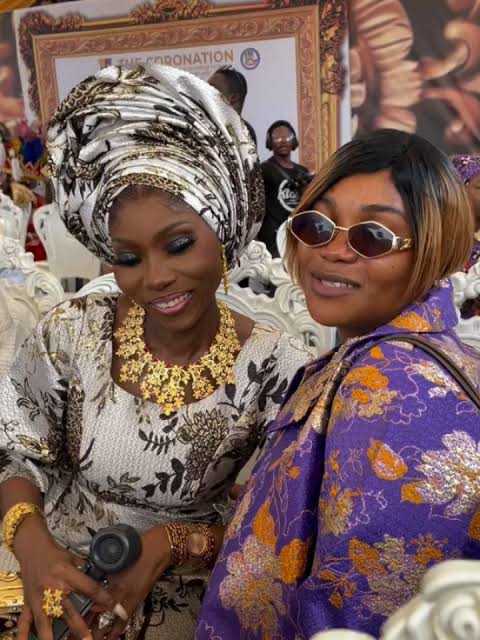
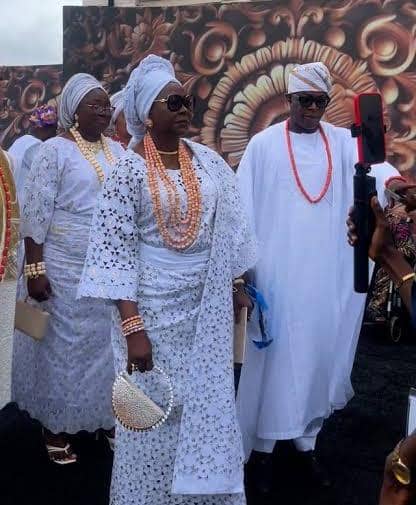
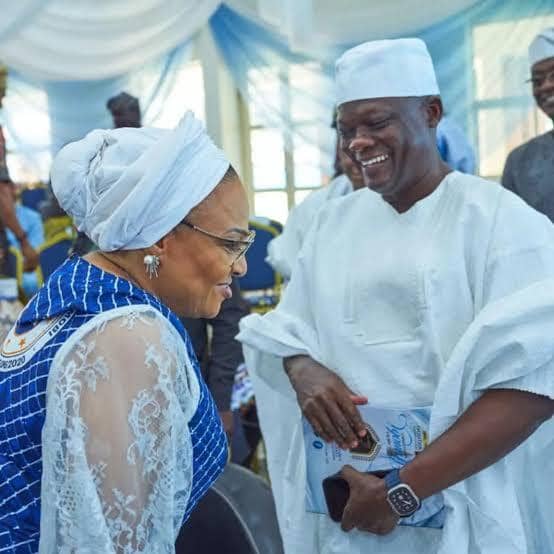
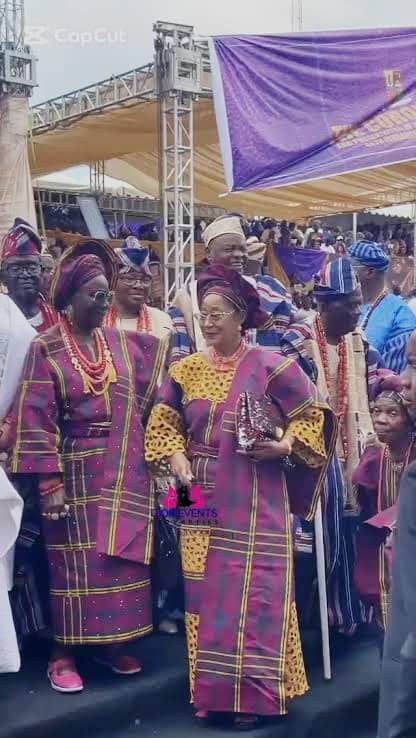
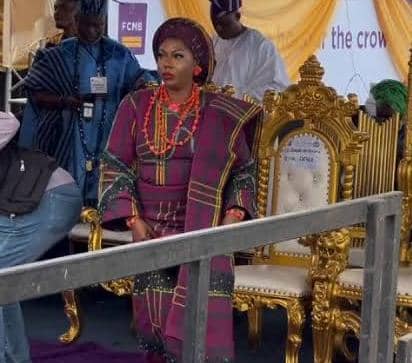
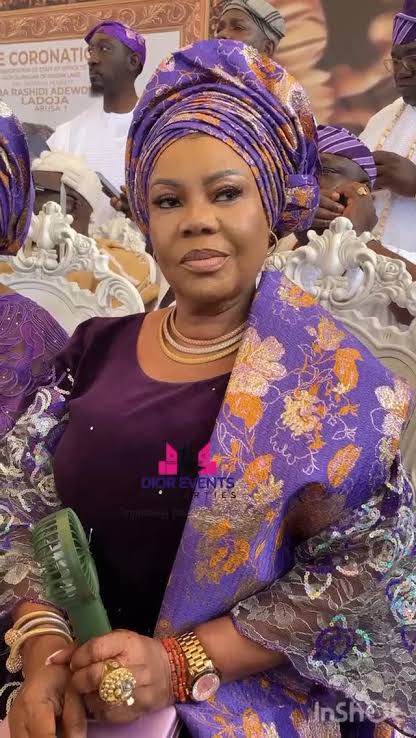
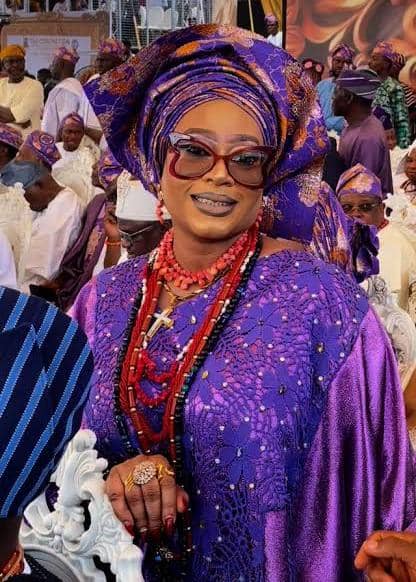
The Queens of the traditional rulers were seen in elaborate Iro and Buba ensembles, often made from high-quality lace or Aso-Oke with magnificent, towering Geles (headwraps) that added dramatic flair and height. Their looks were completed with lavish coral or gold jewellery.
The Political Elite and VIP Guests:
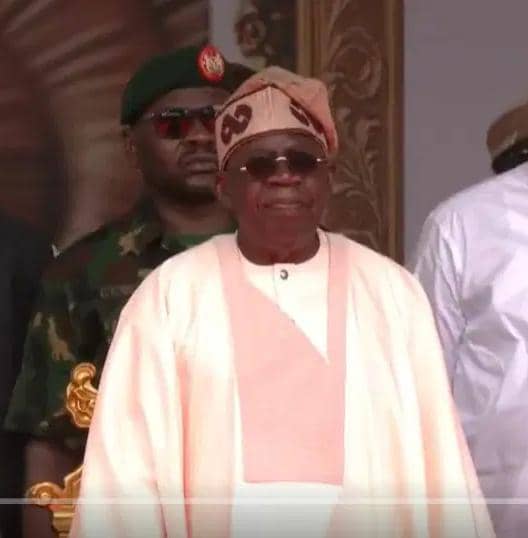
President Bola Tinubu, Governor Seyi Makinde and other high-ranking political figures and business moguls also opted for powerful traditional looks:
Bold Agbada and Fila: The men of state mostly wore bespoke Agbada, choosing colours that symbolized power and prosperity, such as deep blue, shimmering gold, or immaculate white. The fabrics were highly texturized, often featuring bold embroidery on the back and chest panels.
Modern Lace and Geometric Gele:
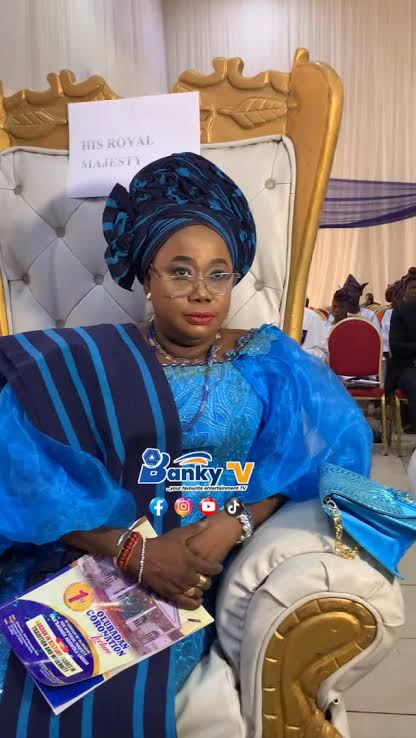
Female political figures and VIP guests showcased the trend of modern, form-fitting Nigerian lace outfits (Iro and Buba or contemporary gowns). Their Geles were styled in intricate, architectural formations (Autogele) and paired with luxury accessories, including designer bags and shoes, subtly blending tradition with contemporary luxury.
Ibadan Indigenes and General Guests:
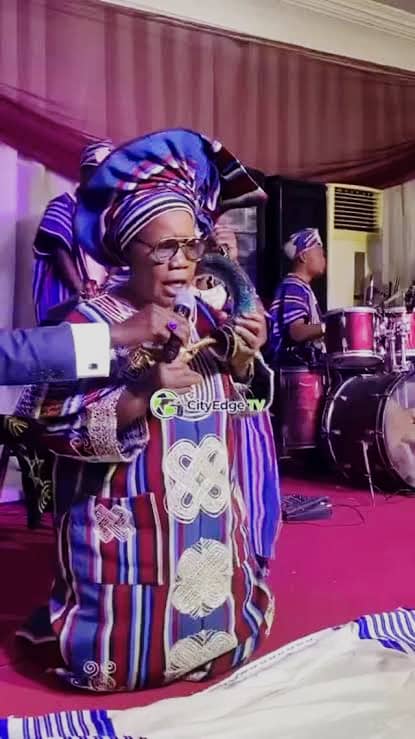
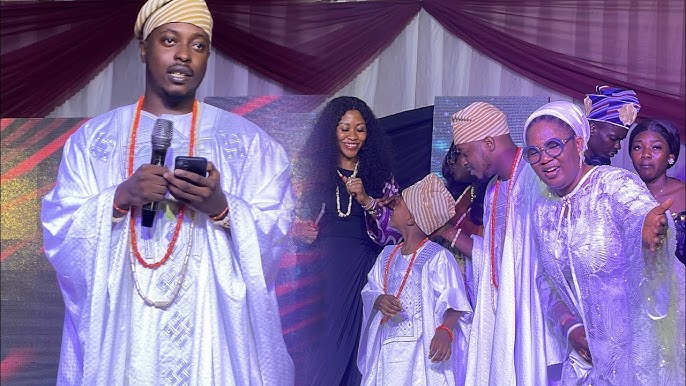
The wider populace brought a unifying touch to the event, with many families and groups observing an Aso-Ebi (family-set uniform) theme.
The Aso-Ebi Factor: Groups, families, and high-society cliques were seen in coordinated fabrics and colours, usually a striking shade of coral, green, or blue, in luxurious lace or Aso-Oke. This practice symbolizes solidarity, unity, and shared celebration.
Focus on Accessories:
Even among the general guests, no detail was too small. Intricately beaded or metallic clutches, custom-made traditional shoes and signature jewellery were essential finishing touches, proving that the Olubadan’s coronation was a day where tradition reigned supreme and fashion was its most eloquent messenger.
In every stitch and fold, the attire at the coronation was a dazzling testament to the wealth, history and enduring elegance of the Yoruba heritage.