

By Sola Ojewusi
There are moments in the life of nations when time itself seems to pause—
when history, long dormant, stirs again and demands to be rewritten.
March 18, 2026, was one such day.
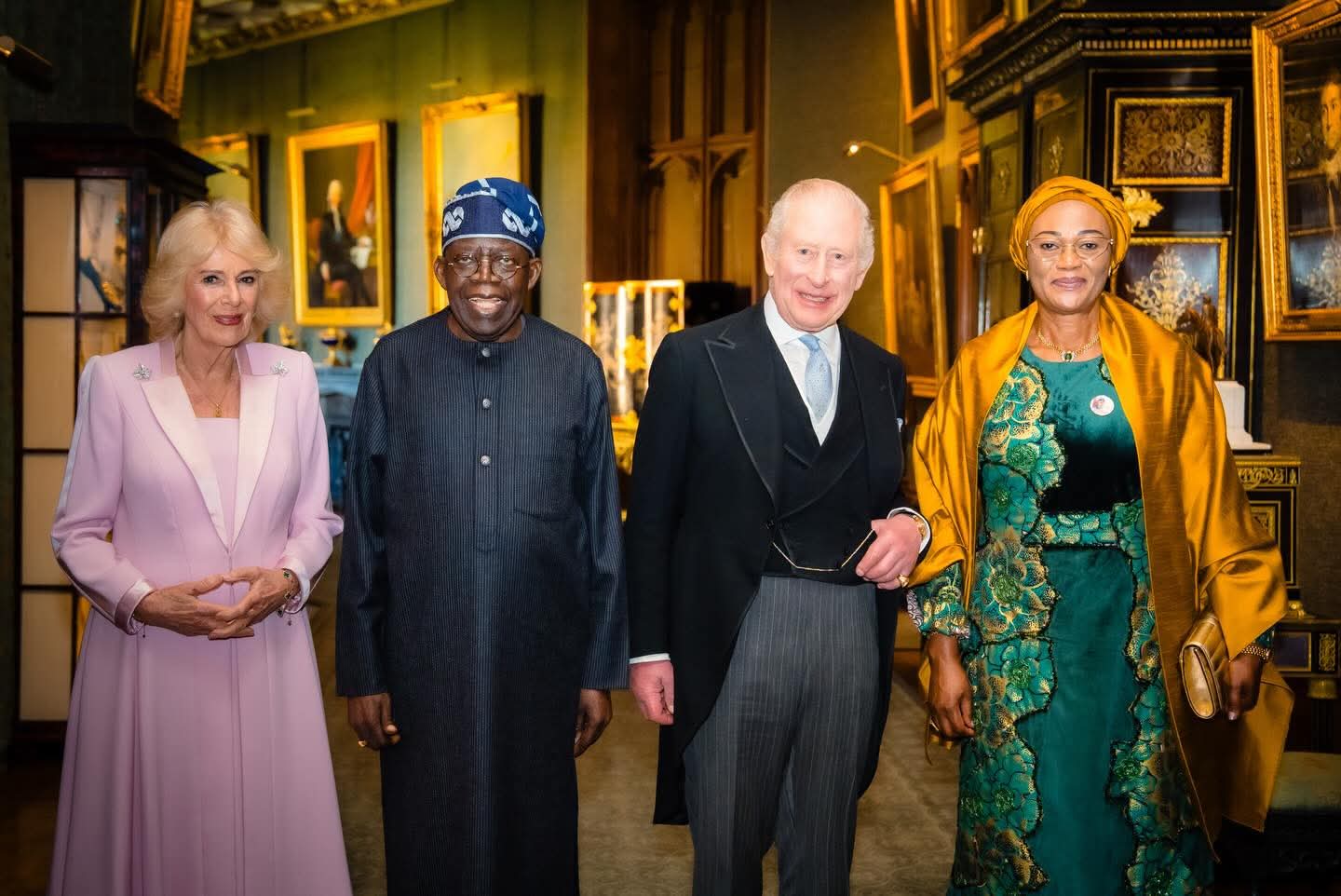
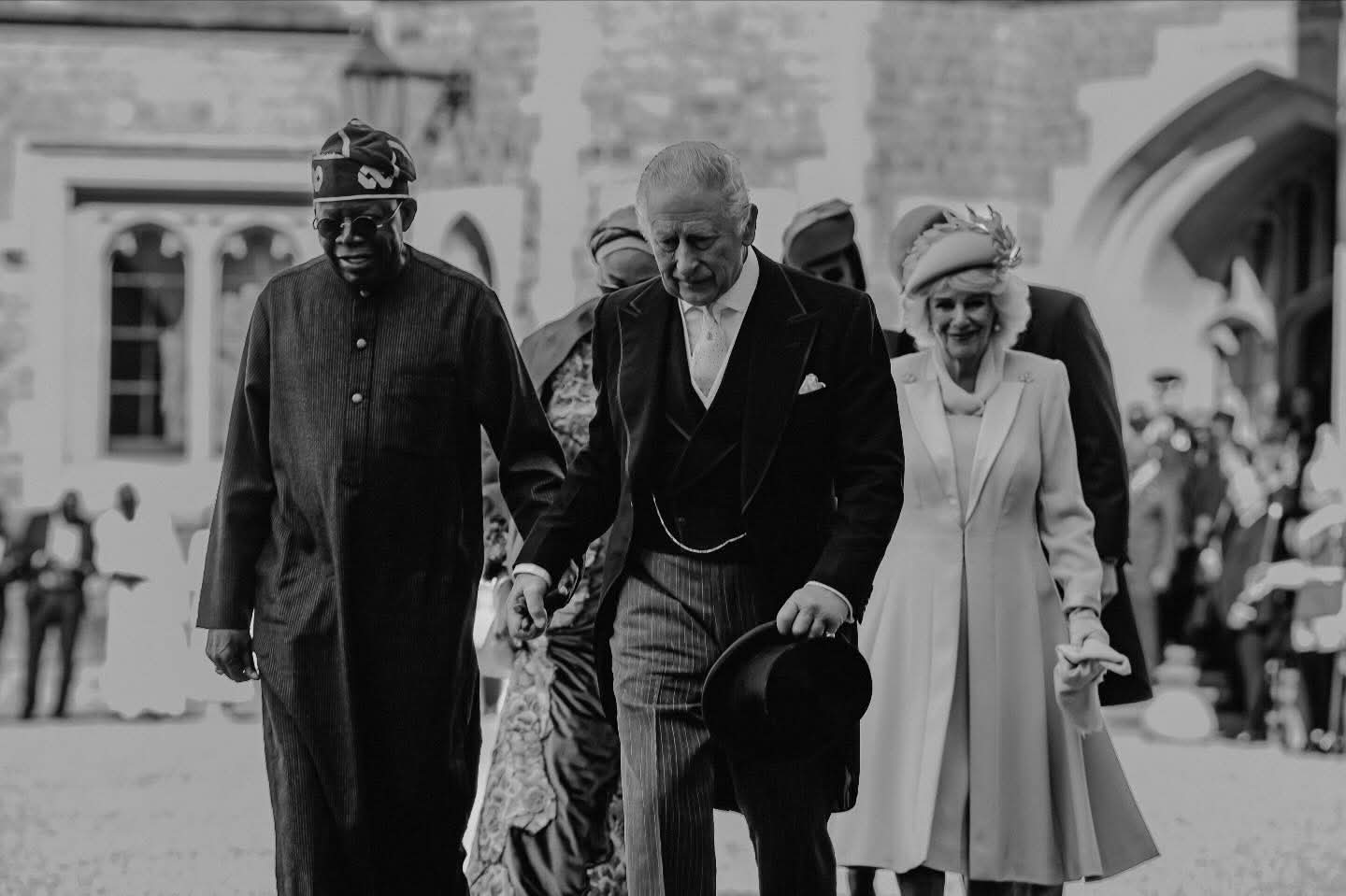
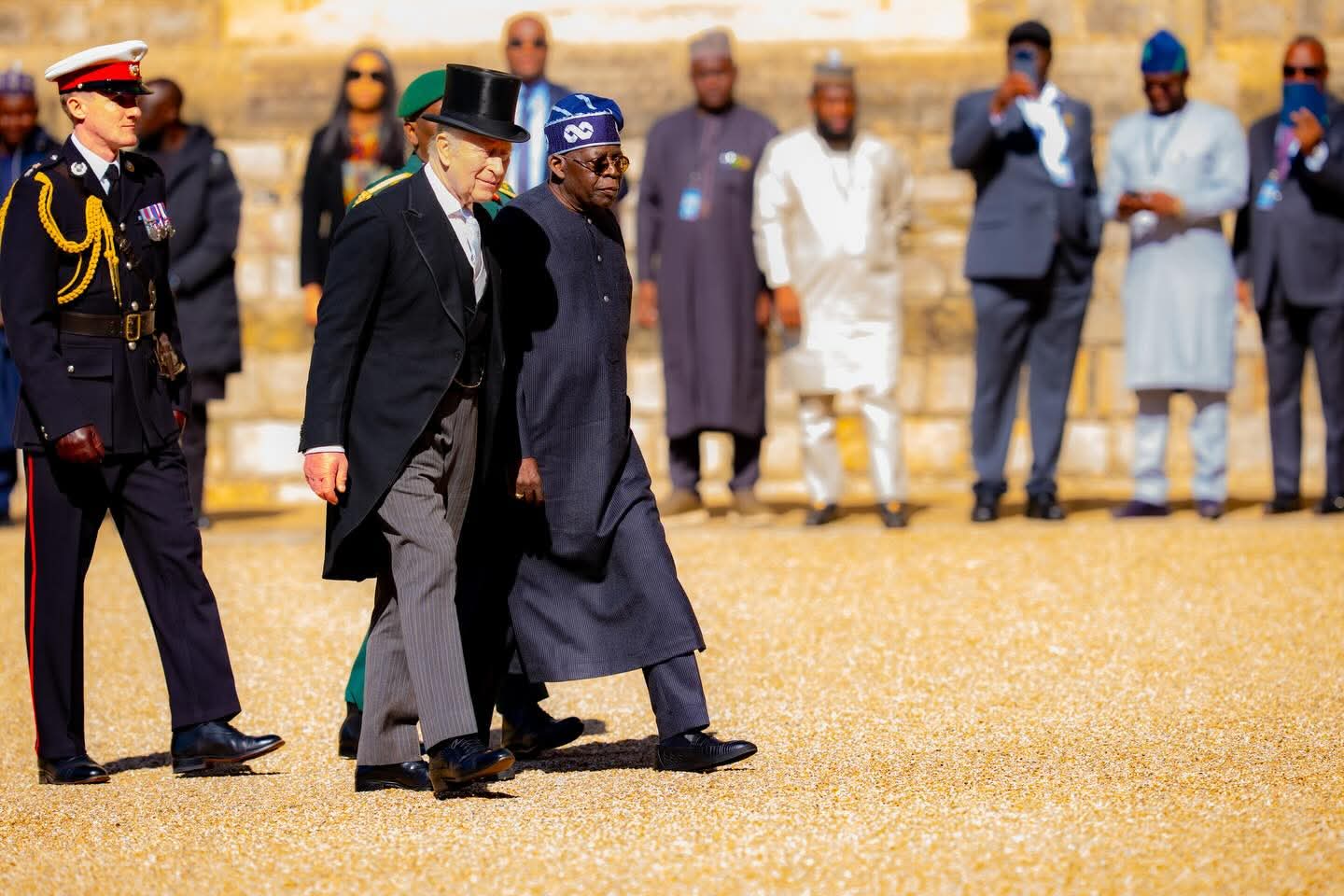
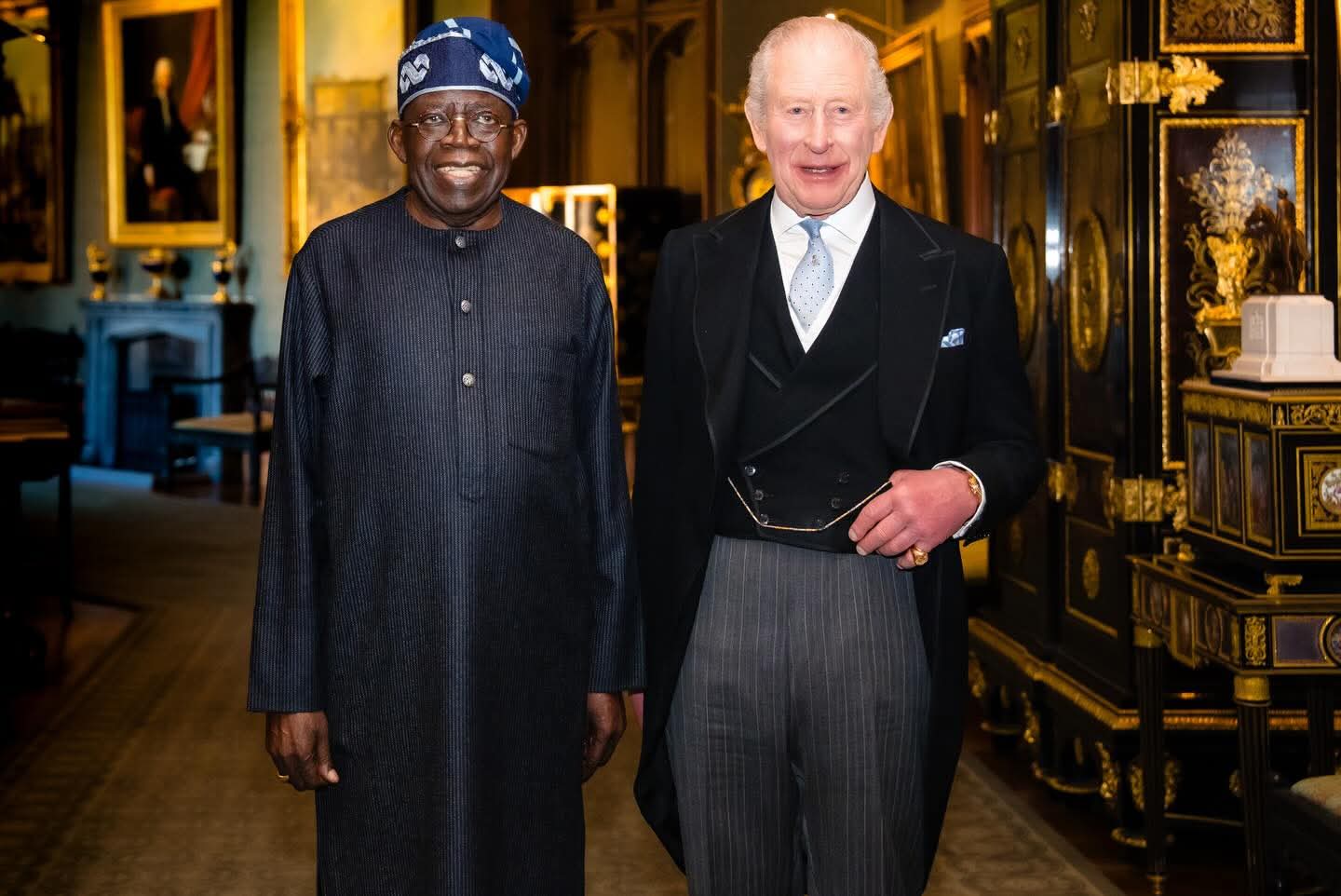
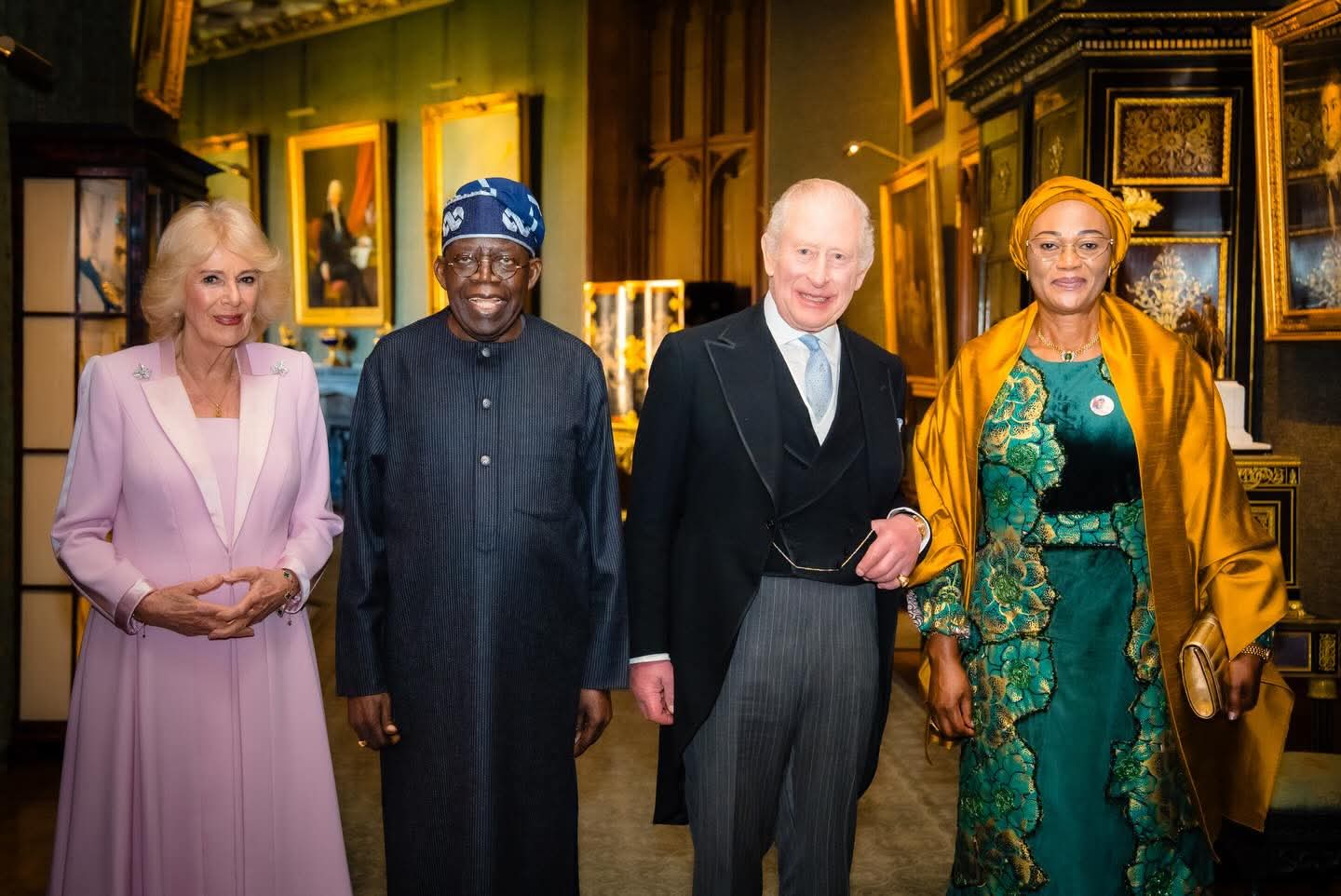
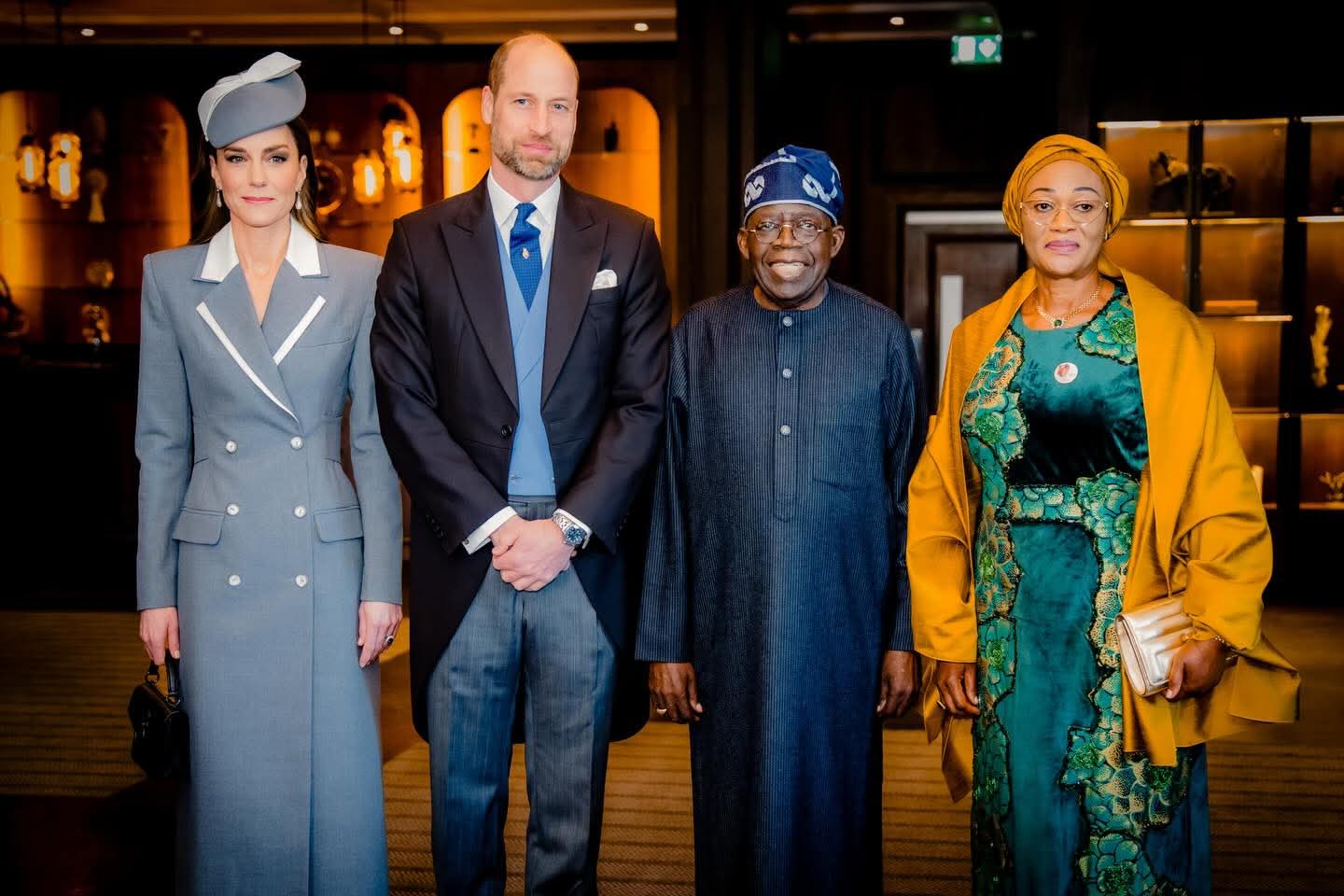
At the ancient, echoing grounds of Windsor Castle, where the weight of empire still lingers in stone and ceremony, President Bola Ahmed Tinubu of Nigeria stepped into a space once defined by colonial hierarchy—but this time, as an equal guest of honour.
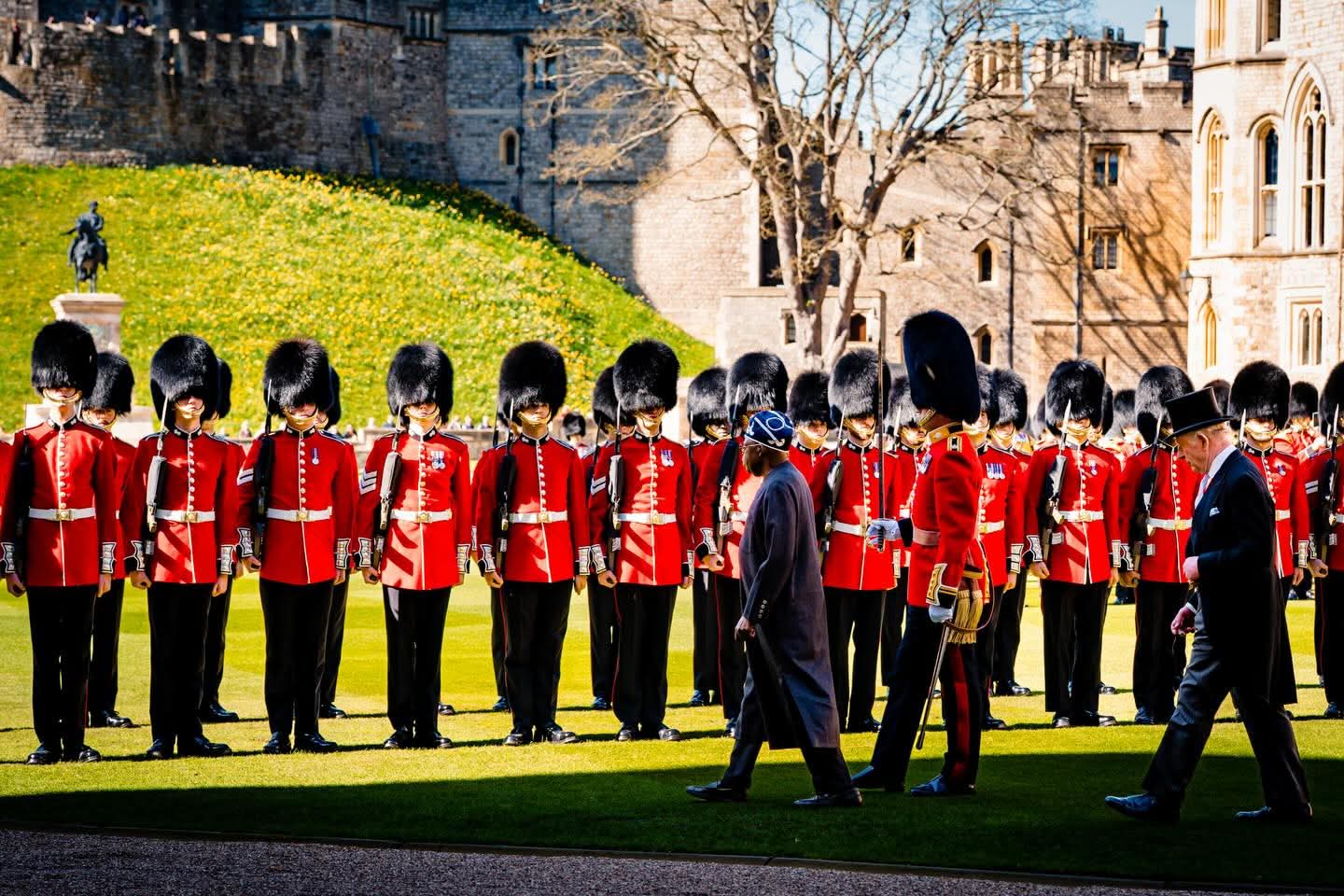
Received by His Majesty King Charles III with full state pageantry, Tinubu’s visit marked the first State Visit by a Nigerian leader to Britain in 37 years.
But beyond the polished carriages, the gleaming swords, and the orchestral precision of royal protocol, something deeper unfolded:
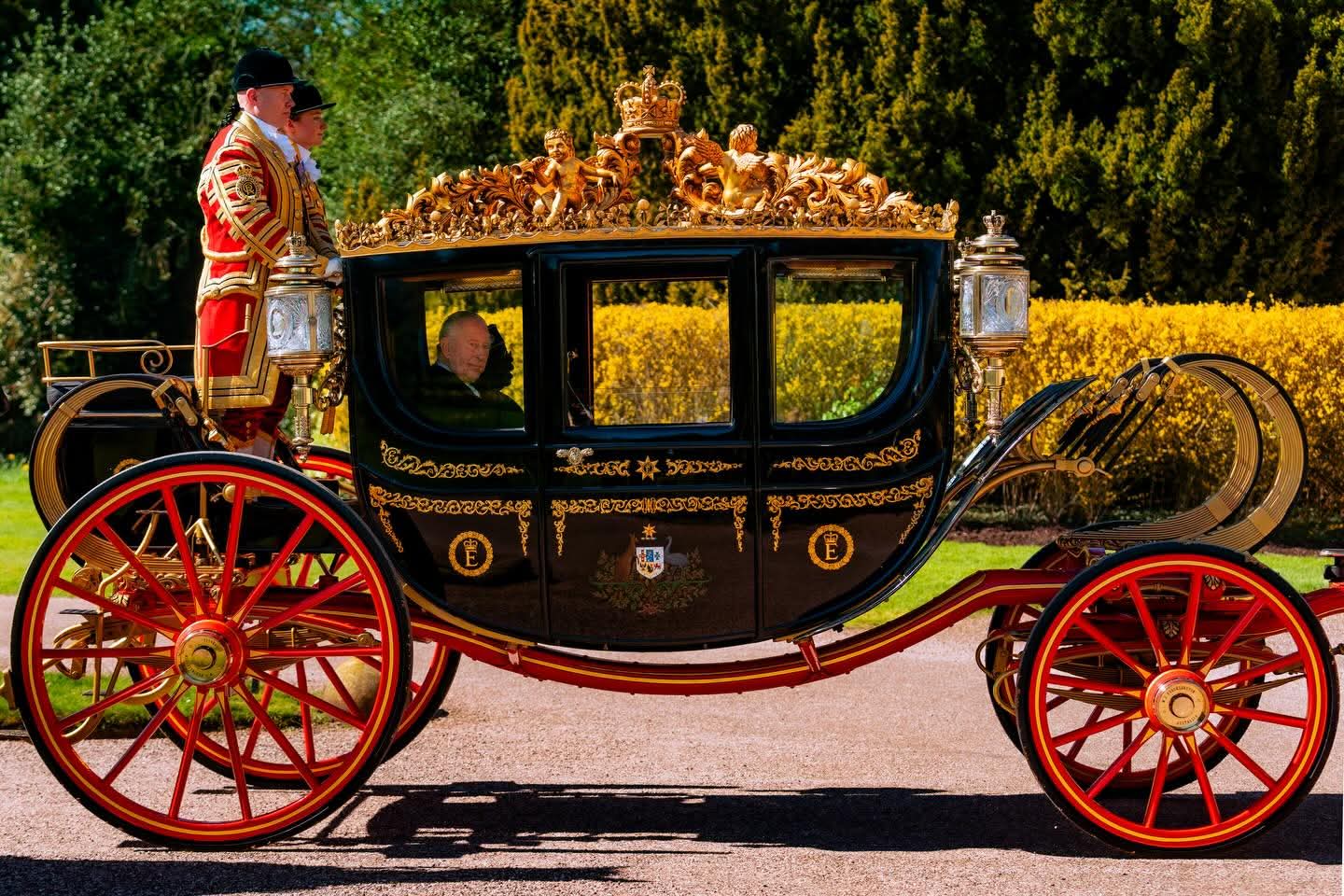
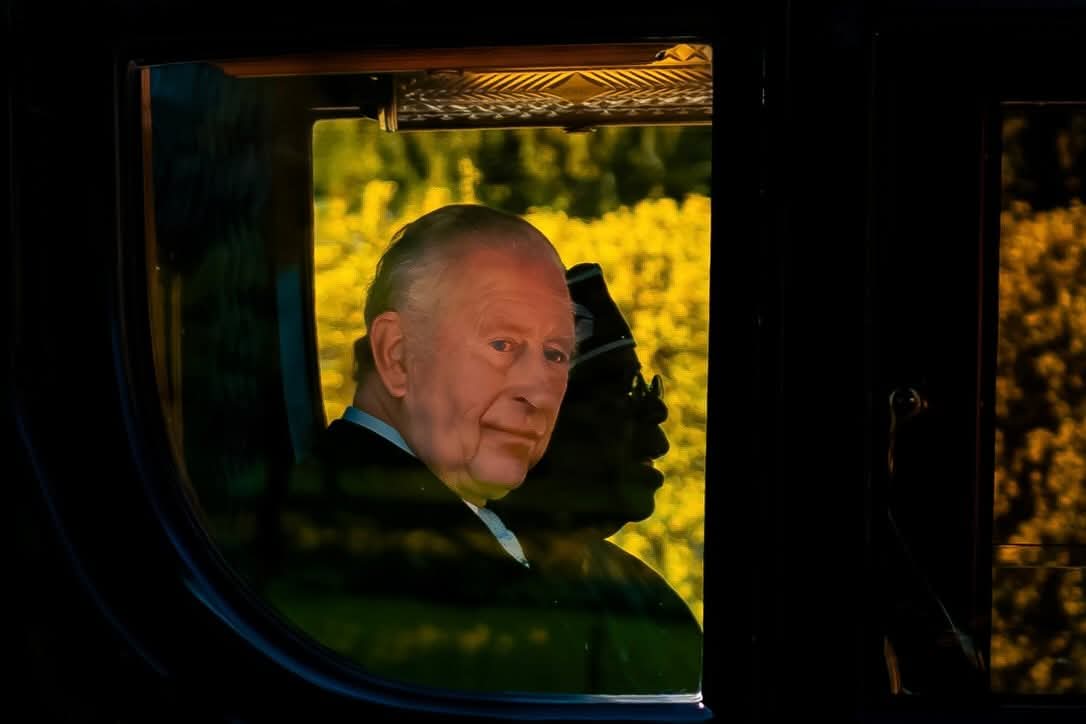
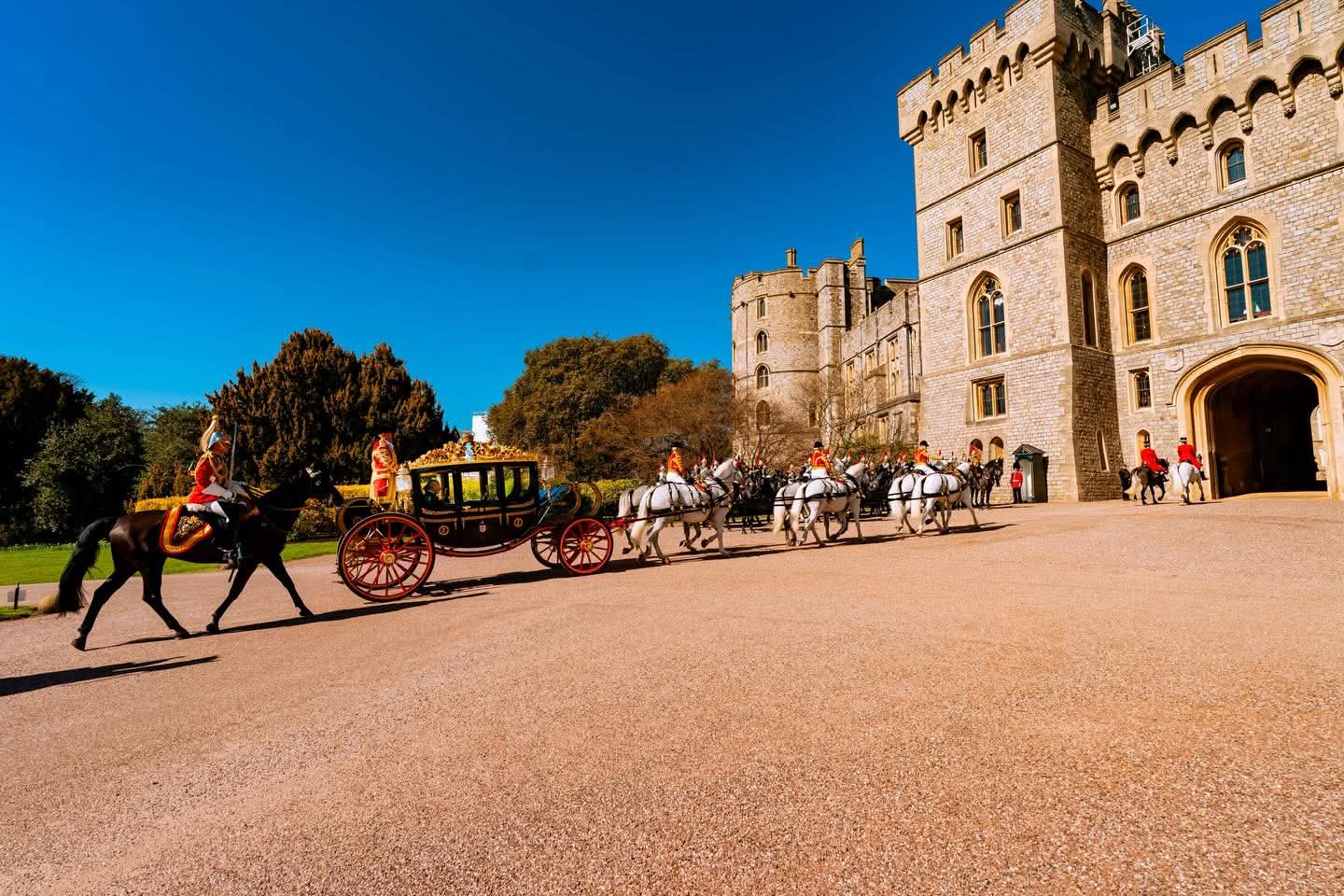
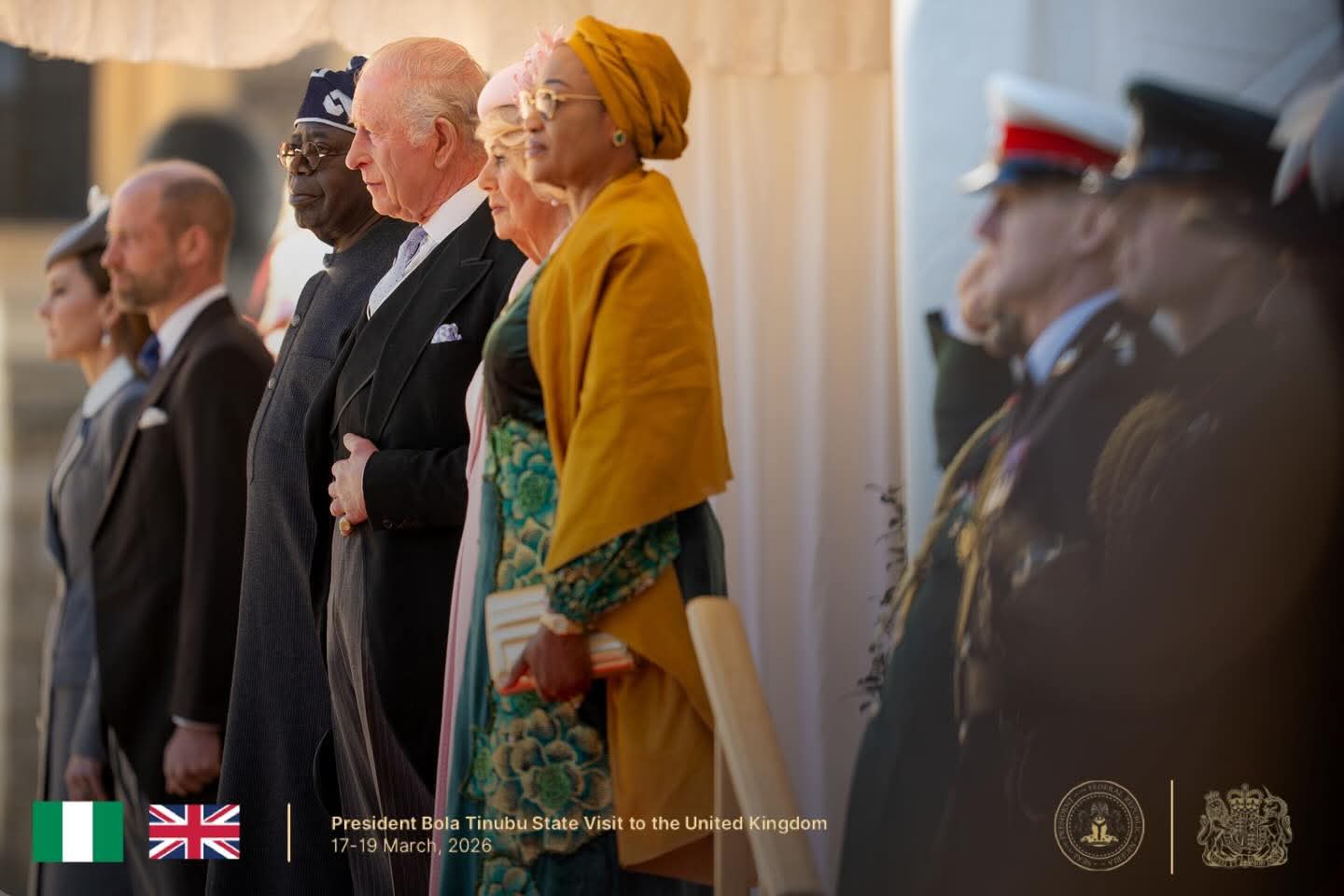
Nigeria returned to the global centre stage.
I. The Theatre of Power
Diplomacy, at its highest level, is theatre.
And Windsor delivered a masterclass.
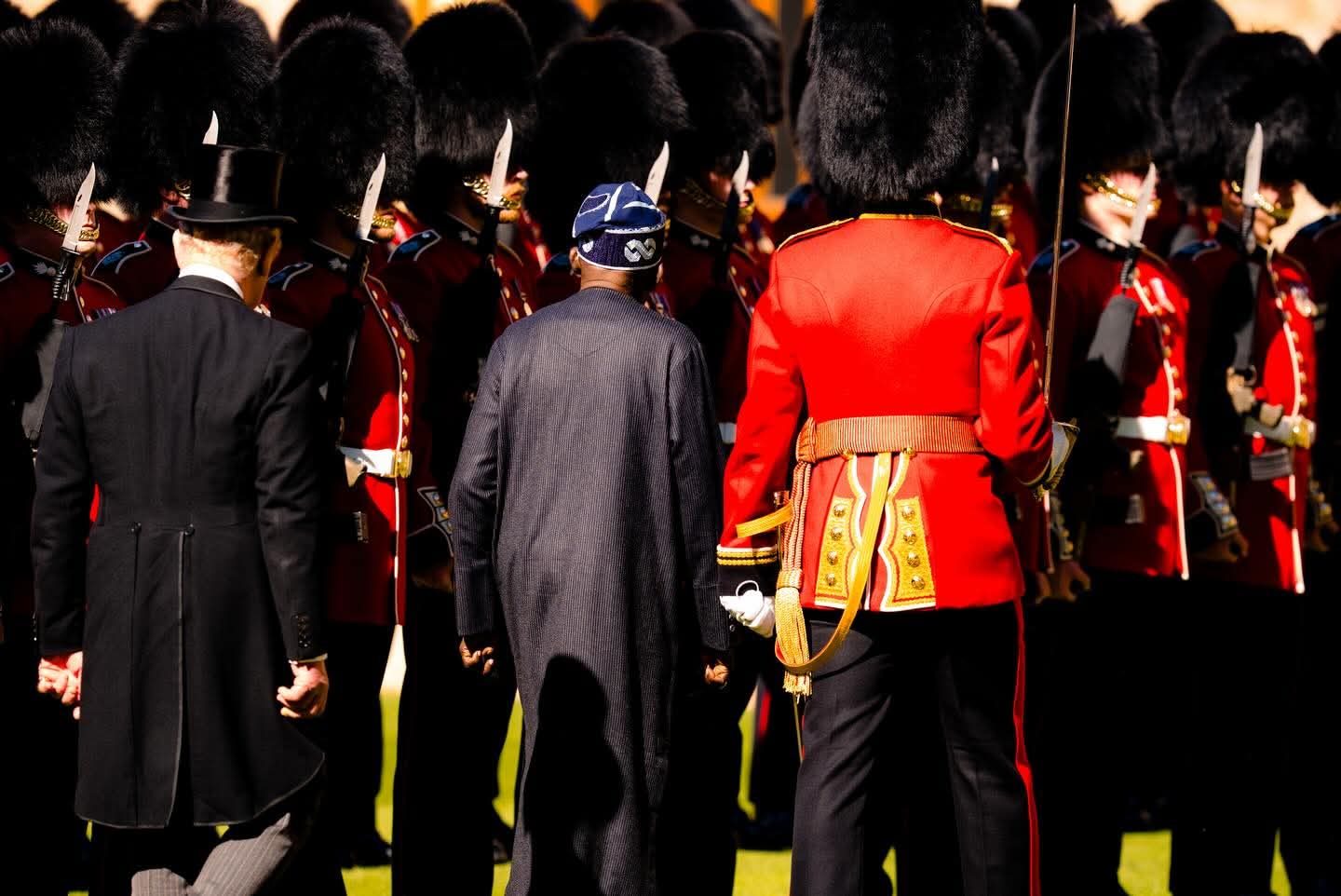
The carriage procession—slow, deliberate, almost poetic—was not merely a royal tradition. It was a visual metaphor: a journey from the past into a recalibrated future. The Guard of Honour, standing in perfect symmetry, did more than salute a visiting President; it acknowledged a nation reclaiming its stature.
For decades, Nigeria’s engagement with the world’s great powers oscillated between promise and hesitation. But here, in the symbolic heart of the British monarchy, there was no ambiguity.
Nigeria was not visiting. Nigeria was being received.
II. The Weight of Thirty-Seven Years
Thirty-seven years is not just a measure of time—it is a measure of absence.
The last such visit occurred in a different world:
Before the digital age reshaped global influence
Before Africa’s demographic surge
Before Nigeria’s cultural ascendancy in music, film, and literature
In those intervening decades, Nigeria experienced turbulence—military rule, democratic rebirth, economic trials, and security challenges.
Yet history has a curious rhythm: nations often return stronger from their silences.
Tinubu’s presence at Windsor was not merely a continuation of diplomacy.
It was a restoration of narrative.
III. The Tinubu Moment: Strategy in Symbolism
Every gesture in Windsor carried intent.
President Tinubu did not arrive as a supplicant seeking favour. He arrived as a strategist shaping conversation.
At bilateral engagements and the state banquet, his message was clear and layered:
Nigeria is open for serious business
Security in West Africa is a global concern, not a regional footnote
Partnership must replace paternalism
In urging deeper British cooperation in tackling terrorism in the Sahel, Tinubu subtly reframed Nigeria’s role—from a nation managing internal crises to one defining regional security architecture.
This is not mere diplomacy.
It is agenda-setting.
IV. Soft Power, Hard Influence
Long before this visit, Nigeria had already begun its quiet conquest of global imagination.
From Afrobeats filling arenas in London, to Nollywood narratives streaming across continents, to a diaspora shaping academia, medicine, and finance—Nigeria’s influence has been cultural, pervasive, and undeniable.
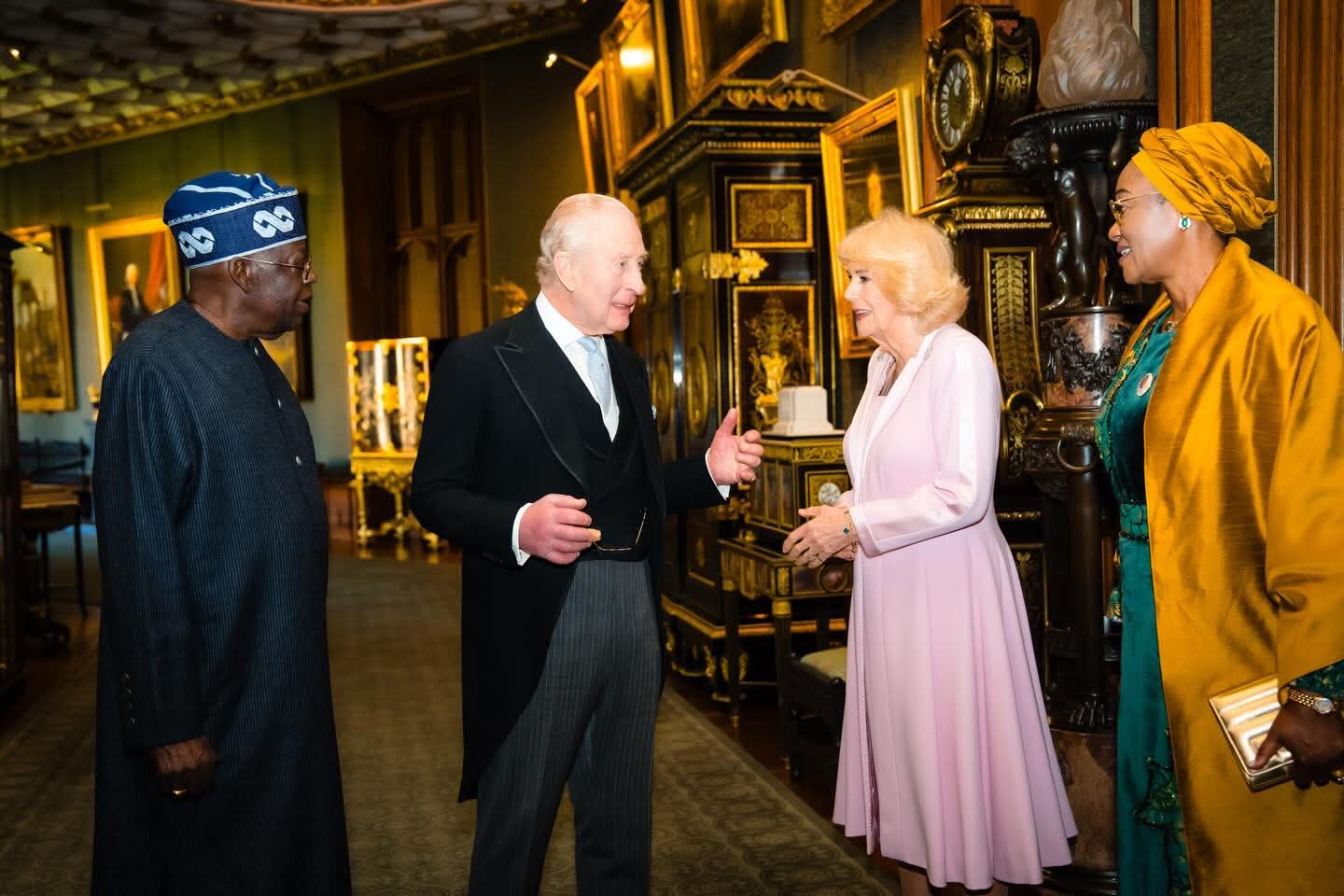
At Windsor, that soft power found formal recognition.
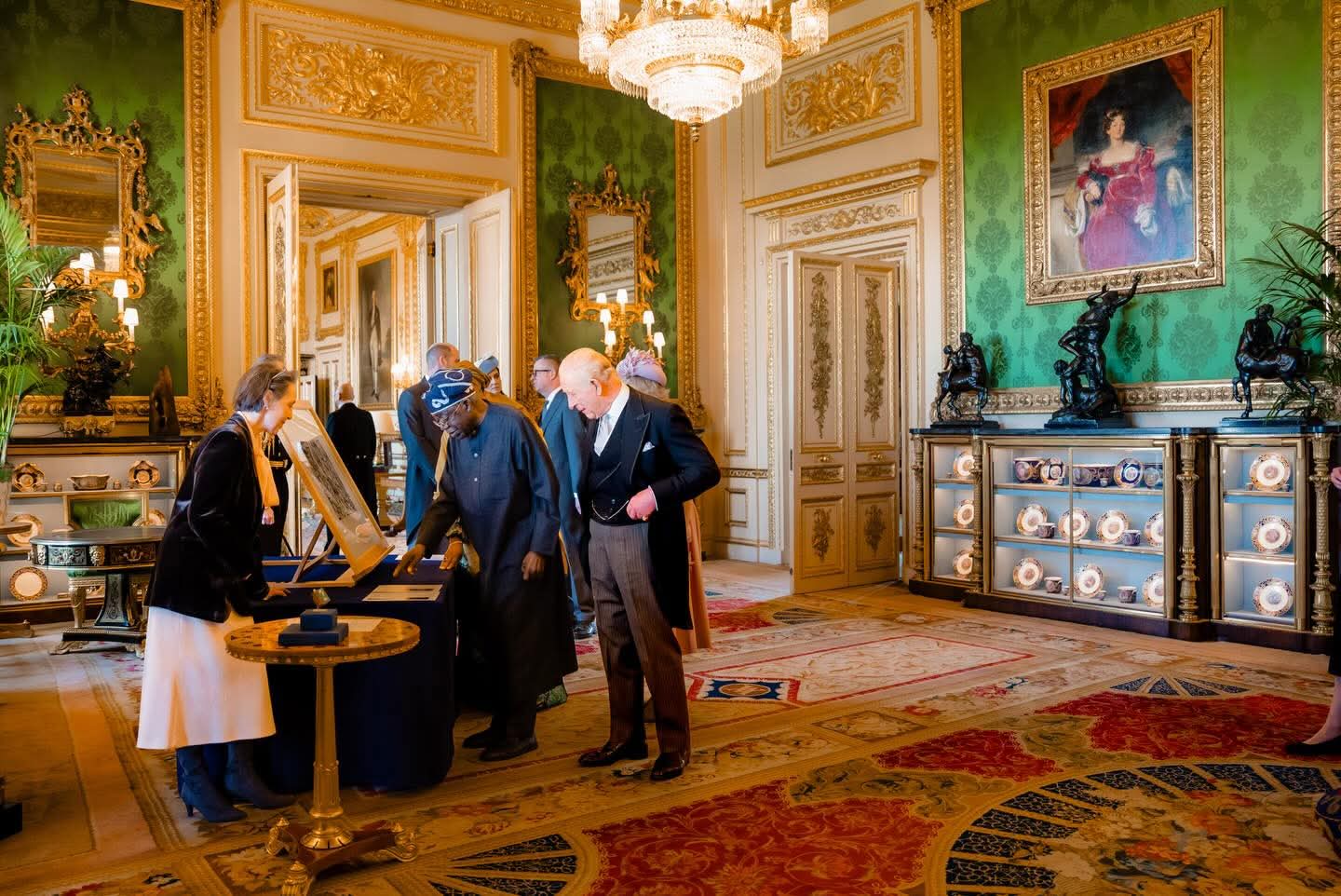
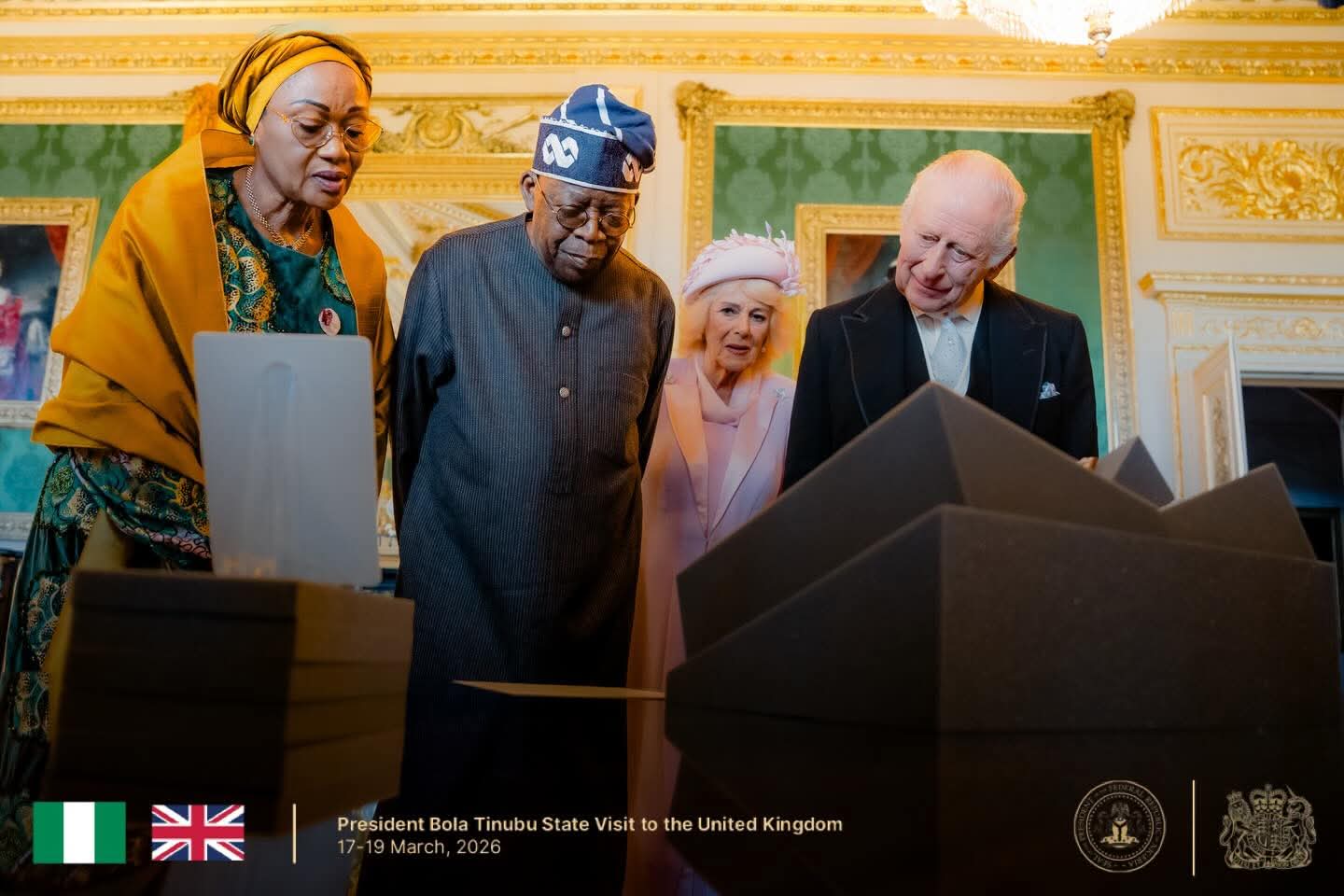
Displayed artefacts of Nigerian heritage, the presence of British-Nigerian elites, and the sheer visibility of Nigeria’s cultural confidence all signalled a shift:
The story of Nigeria is no longer told solely by others. Nigeria now tells its own story—on global platforms.
V. Africa’s Voice, Amplified
Africa watched Windsor.
Because in Tinubu’s carriage rode more than Nigeria—
it carried the aspirations of a continent often spoken about, but seldom spoken with.
This visit sends a message across African capitals:
Engagement with global powers need not be deferential
African leadership can command ceremonial and strategic respect
The continent’s largest democracy can act as a diplomatic vanguard
In this sense, Tinubu’s visit transcends national significance.
It becomes a continental signal.
VI. The Return of Nigerian Gravitas
There was a time when Nigeria’s voice carried unmistakable weight in global affairs—during peacekeeping missions, anti-apartheid struggles, and leadership within Africa.
That voice dimmed, at times, under the pressures of internal challenges.
But at Windsor, something unmistakable re-emerged:
Gravitas.
Not loud.
Not boastful.
But steady, confident, and impossible to ignore.
The image of Tinubu seated beside King Charles III at the state banquet is more than a photograph. It is a statement of restored parity.
VII. Optics and Outcomes
Sceptics may ask: is this merely ceremony?
But in international relations, optics are not superficial—they are foundational.
Ceremonial honour shapes perception
Perception shapes trust
Trust shapes investment, alliances, and influence
The Windsor visit, therefore, is both symbol and substance.
It opens doors:
For trade expansion
For security collaboration
For diplomatic leverage
And perhaps most importantly, it reshapes how Nigeria is seen—and how it sees itself.
VIII. Epilogue: When History Bends
History does not always announce its turning points.
Sometimes, it whispers through ceremony, through carefully choreographed moments, through the quiet dignity of nations rediscovering themselves.
At Windsor, beneath centuries-old towers and traditions, Nigeria did not merely participate in history.
It bent it—slightly, but significantly—towards a new direction.
And as the carriages rolled, and the flags fluttered in the English spring, one truth became evident:
Nigeria is no longer waiting to be recognised.
Nigeria has arrived—again.
