

By Peter Omopo
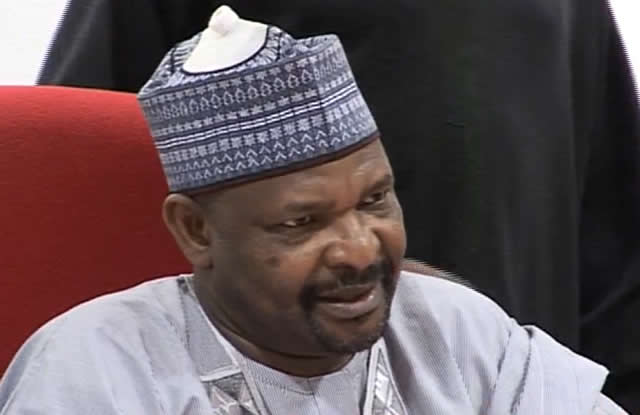
A mild drama unfolded at the Senate on Wednesday as Senator Abdul Ningi (Bauchi Central) openly protested the withdrawal of his police orderly, describing the enforcement of the Federal Government’s new security directive as “selective and unfair.”
Raising the matter during plenary, Ningi told his colleagues that his only police aide had been withdrawn in line with the directive issued by the Presidency and the Inspector-General of Police to redeploy officers from VIP protection to core security operations. The directive is part of President Bola Tinubu’s broader reforms aimed at repositioning the Nigeria Police Force, addressing manpower shortages, and curbing decades-long misuse of officers.
However, the senator claimed that the policy was not being implemented evenly, insisting that many influential Nigerians—including politicians, business executives and entertainers—still move around with heavy police escorts.
“It should be done across board,” Ningi said. “Let us see what happens from the office of the President to the Vice President, the Senate President, the Speaker, ministers, governors, business concerns, and even the sons and daughters of political office holders. I have seen singers and foreign business owners with police escorts. But a senator has his only orderly withdrawn? It is unfair.”
Ningi argued that lawmakers are frequent targets of public threats due to the nature of their work and should not be left vulnerable. He urged the Senate leadership to direct the Committee on Police Affairs to investigate what he described as “selective enforcement” of the President’s directive.
The senator’s protest echoes long-standing public debate over the diversion of police personnel to private individuals—a practice security experts say undermines national safety and overstretches an already burdened force.
Responding, Deputy Senate President Barau Jibrin, who presided over the plenary, acknowledged the concerns and confirmed that the issue had been discussed at a Senate leadership meeting on Tuesday.
Barau assured the chamber that engagements with relevant authorities were already underway, noting that the President’s directive was not intended to expose legislators to security risks.
“The issue you raised is taken seriously,” he said. “The leadership has agreed that necessary action should be taken to restore your police orderliness because it aligns with international practice. We also believe Mr President will listen, as the directive was not meant to deprive lawmakers unfairly.”
Barau subsequently directed the Chairman of the Senate Committee on Police Affairs to investigate the complaint and present a report to the Senate.
