


By Sola Ojewusi
LAGOS — Expectations are building ahead of the July 25 premiere of Return of Jero, a new stage production inspired by Nobel Laureate Professor Wole Soyinka’s celebrated play, The Trials of Brother Jero.
What has attracted considerable attention, however, is not only the revival of one of Nigeria’s most enduring theatrical masterpieces but also the remarkable story behind its production. The play is the brainchild of Mr. Babatunde Odubanwo, a multi-talented young Nigerian whose professional career is rooted in the finance industry but whose passion for the creative arts is rapidly earning him recognition as one of the country’s promising theatre producers.

Written and produced by Odubanwo and directed by acclaimed theatre practitioner Omololu Sodiya, Return of Jero has received the endorsement and approval of Professor Wole Soyinka, a development widely regarded as a significant vote of confidence in the production’s artistic integrity and its faithful interpretation of the spirit of the original classic.
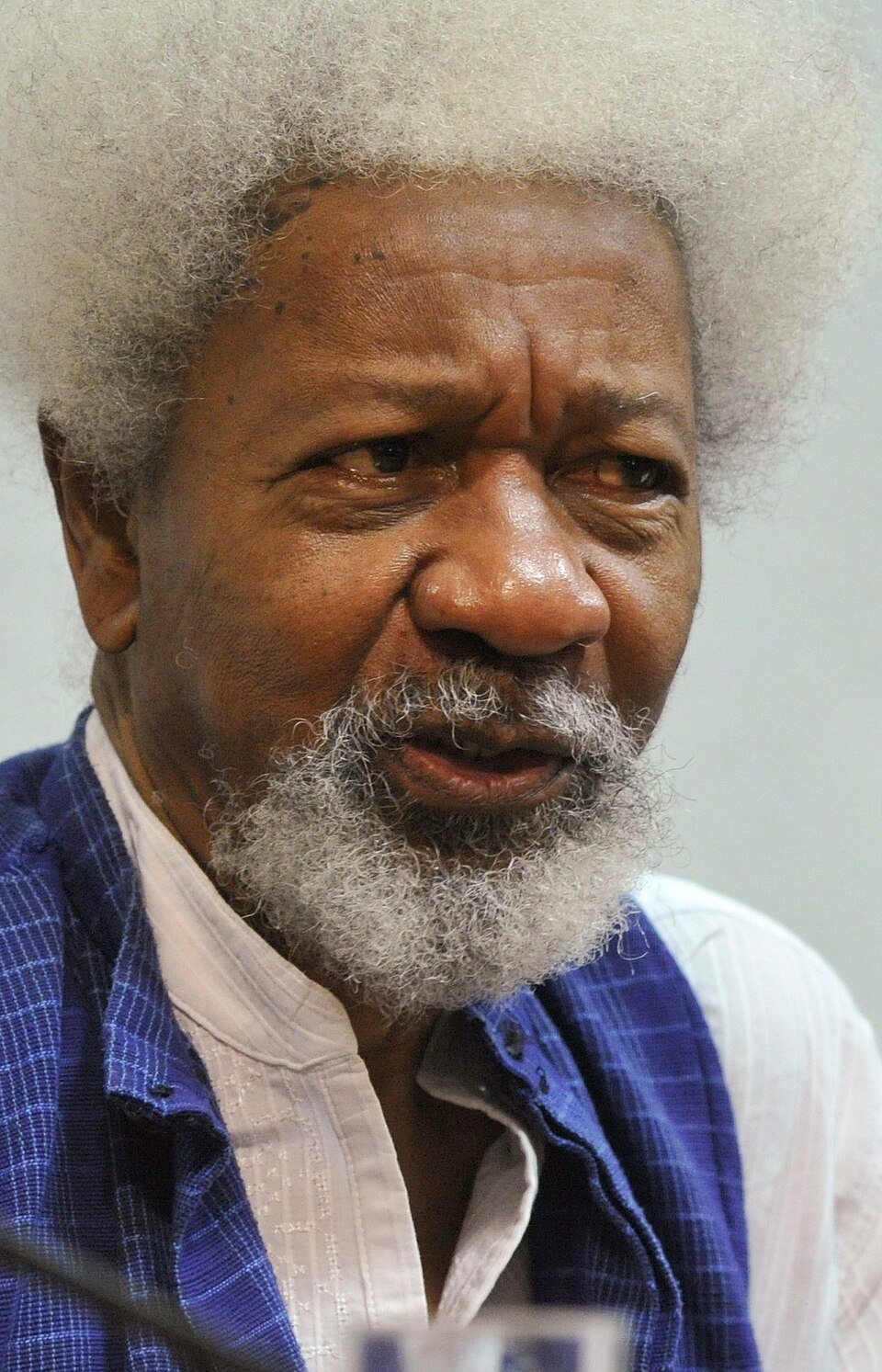
For many observers, Soyinka’s approval speaks volumes. If Africa’s first Nobel Laureate in Literature is willing to lend his support to the project, theatre enthusiasts believe audiences can expect a production of exceptional quality from the emerging theatre entrepreneur.
Scheduled for Saturday, July 25, 2026, at the J. Randle Centre for Yoruba Culture and History, Onikan, Lagos, the event will begin with a red-carpet reception at 3:00 p.m., while the curtain rises at 4:00 p.m.
Organisers promise an evening rich in wit, biting satire and compelling social commentary—qualities that have made the original Brother Jero one of the most celebrated works in African drama. The new production seeks to reintroduce these timeless themes to contemporary audiences while offering fresh creative perspectives.
With just days to the performance, excitement continues to mount among theatre lovers, literary scholars and cultural enthusiasts eager to witness what could mark the arrival of another influential voice in Nigeria’s vibrant performing arts landscape.
As the curtain prepares to rise, all eyes will be on Babatunde Odubanwo, whose successful transition from the finance sector to the theatre stage may well signal the emergence of a dynamic new force in Nigerian cultural production.
