

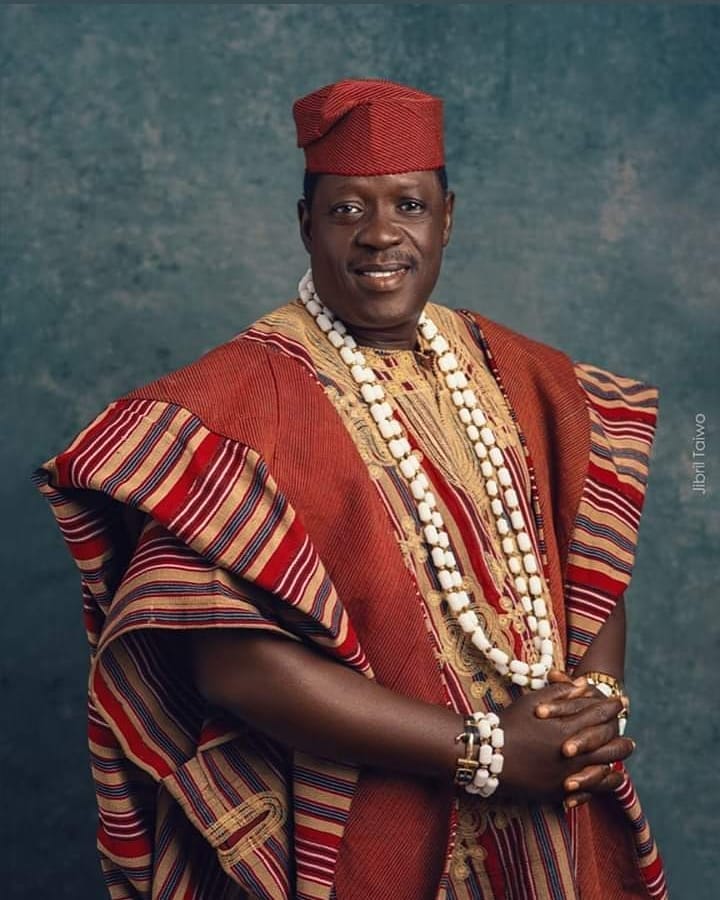
By Sola Ojewusi
Veteran Nigerian actor and filmmaker, Taiwo Hassan, popularly known as Ogogo, has died at the age of 66 after a brief but intense battle with stage-four cancer.
Ogogo’s death was announced on Sunday evening by his daughter, Kira Taiwo, who broke the heartbreaking news during an emotional live session on Instagram. Visibly devastated, Kira struggled to contain her emotions as she announced that her beloved father had died, bringing to an end a desperate family campaign to secure further treatment for the veteran actor.
The actor’s death came barely days after his daughters, Kira and Lima Taiwo, publicly disclosed that he was battling stage-four cancer and appealed urgently to Nigerians, medical professionals and cancer specialists to help save his life. The family had said his condition had deteriorated significantly and that further chemotherapy was reportedly no longer possible.
OGOGO OVER THE YEARS
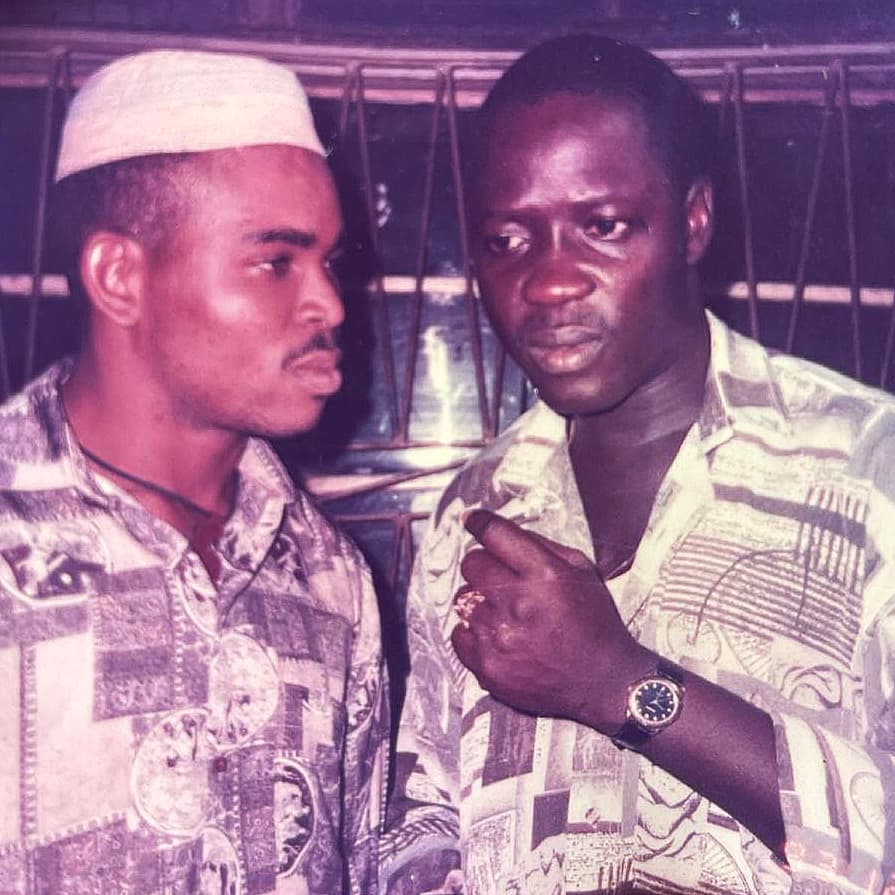
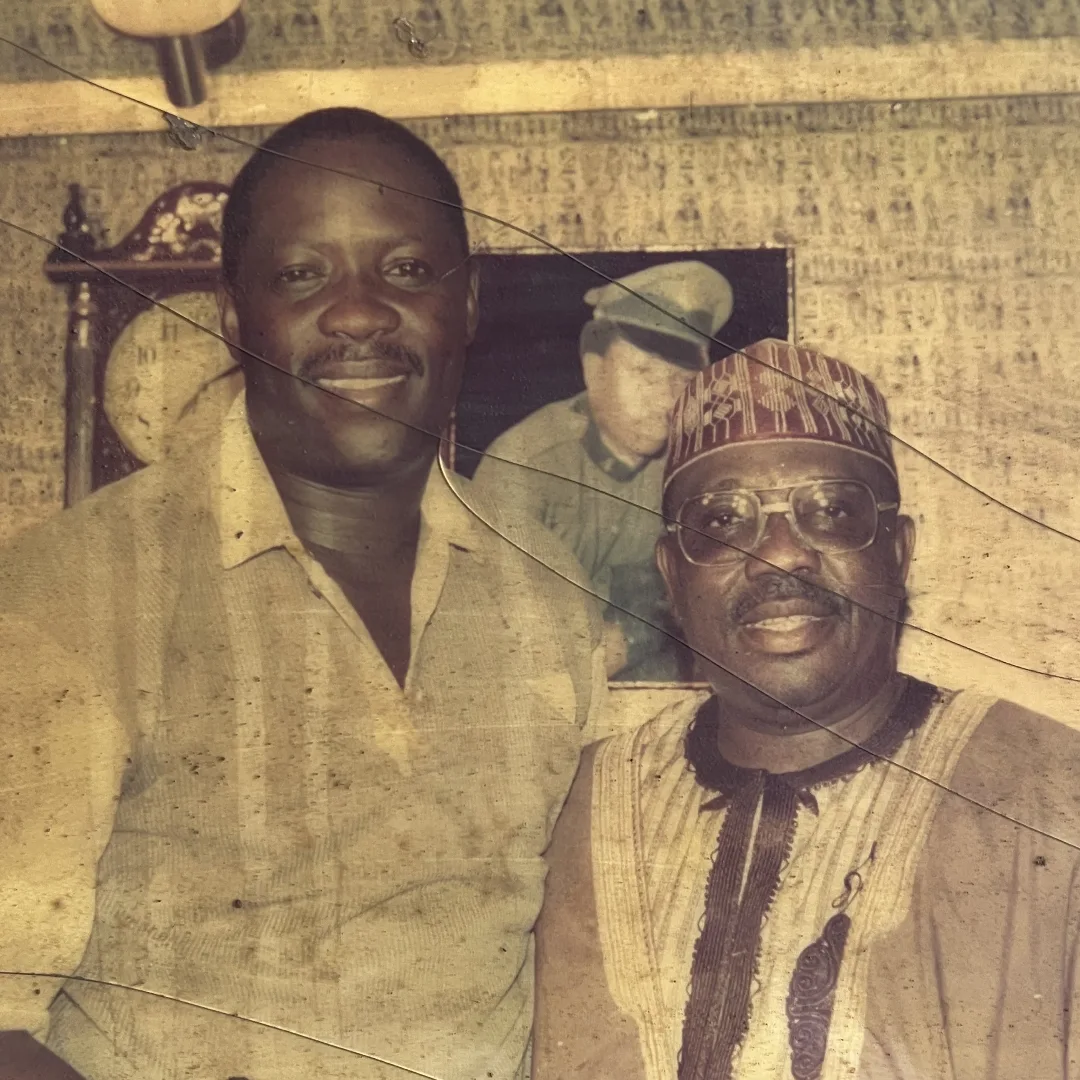
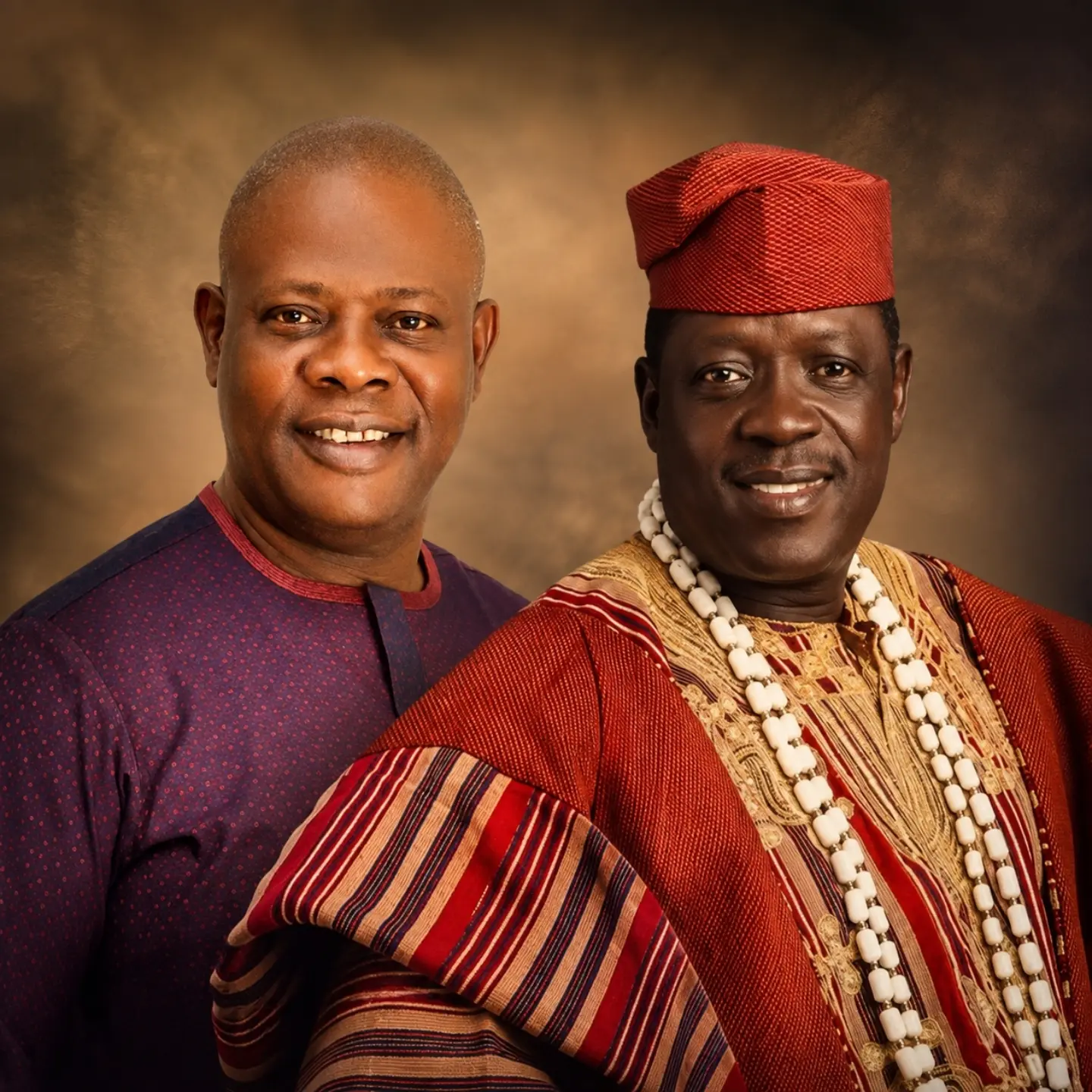
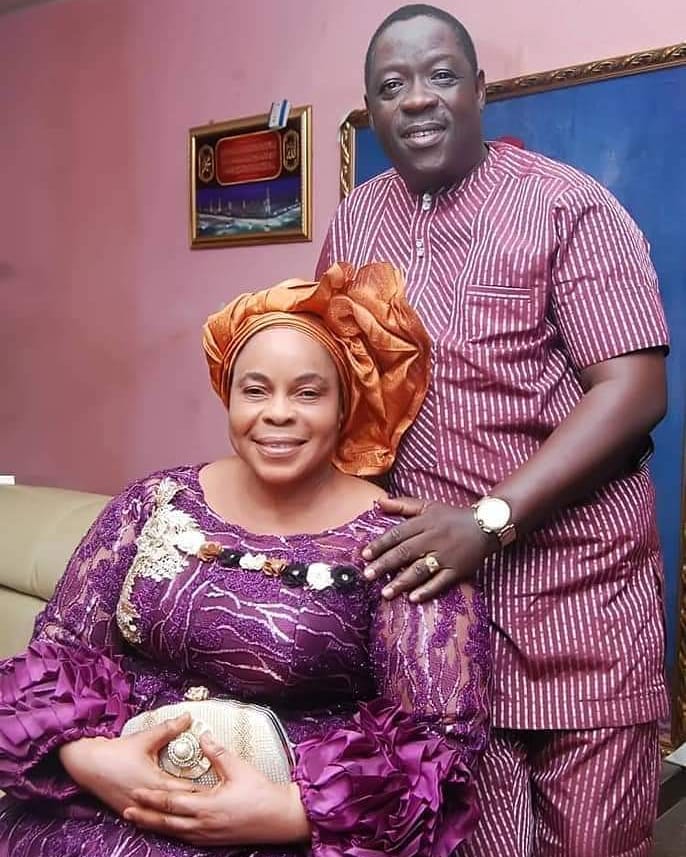
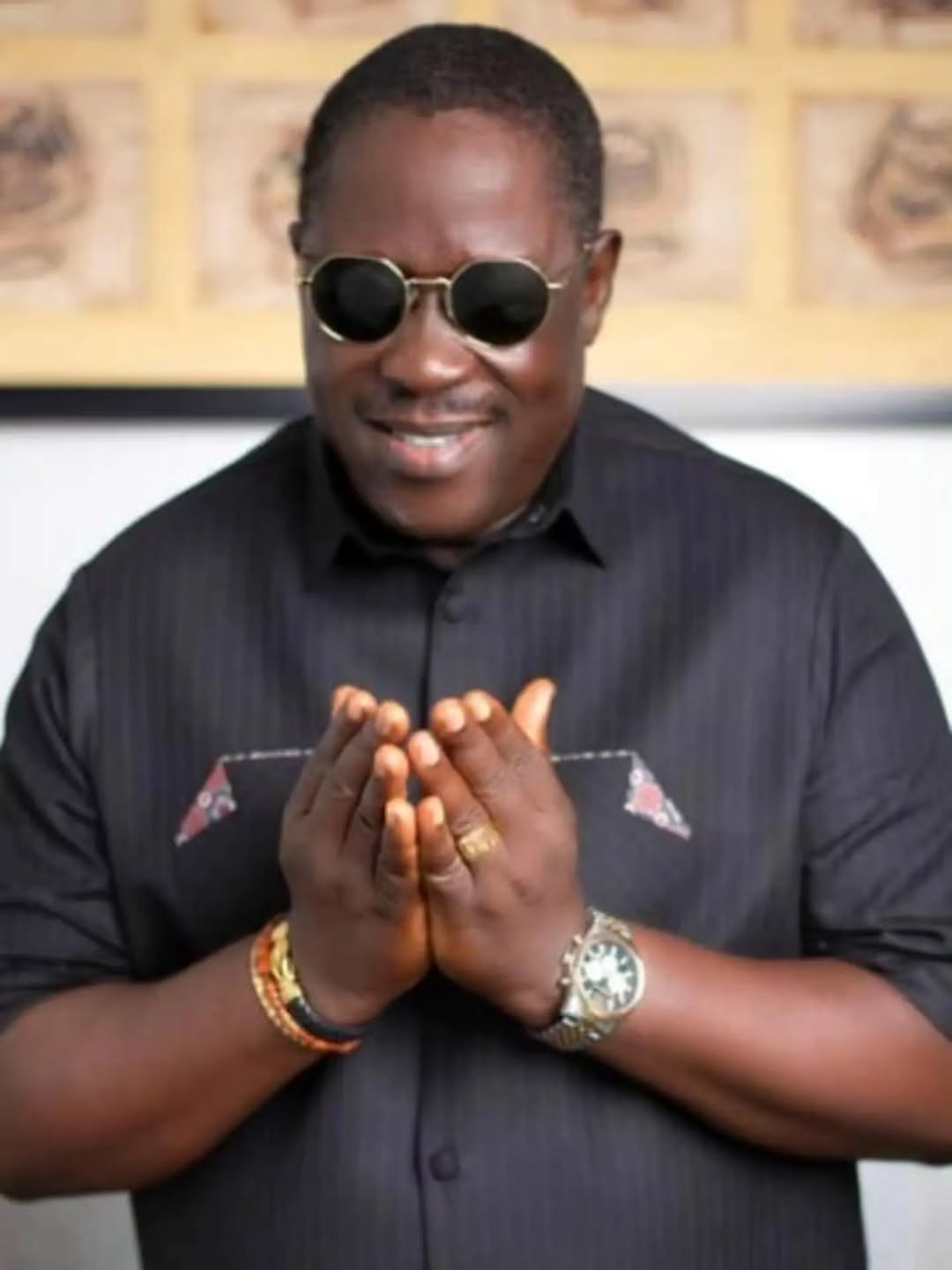
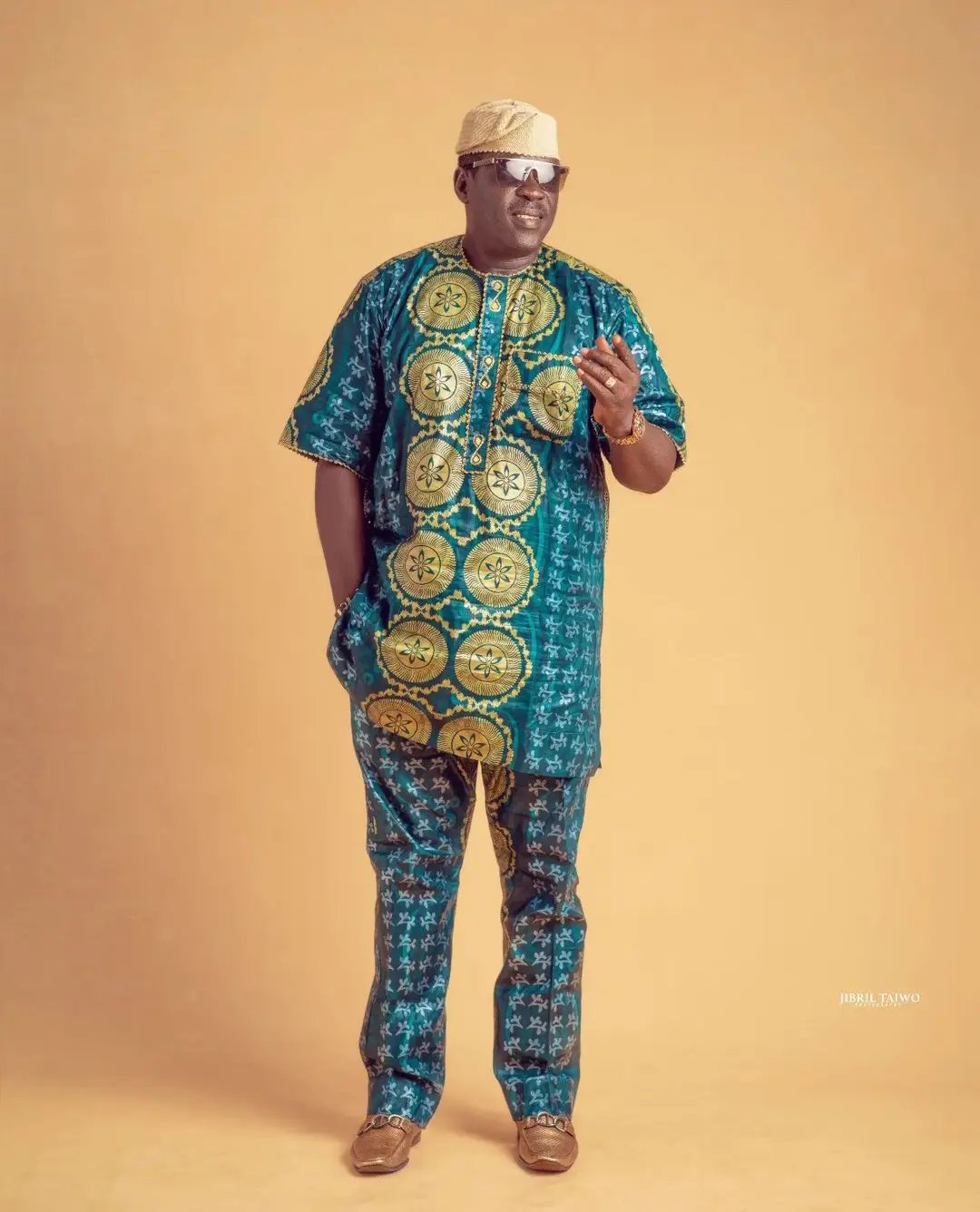
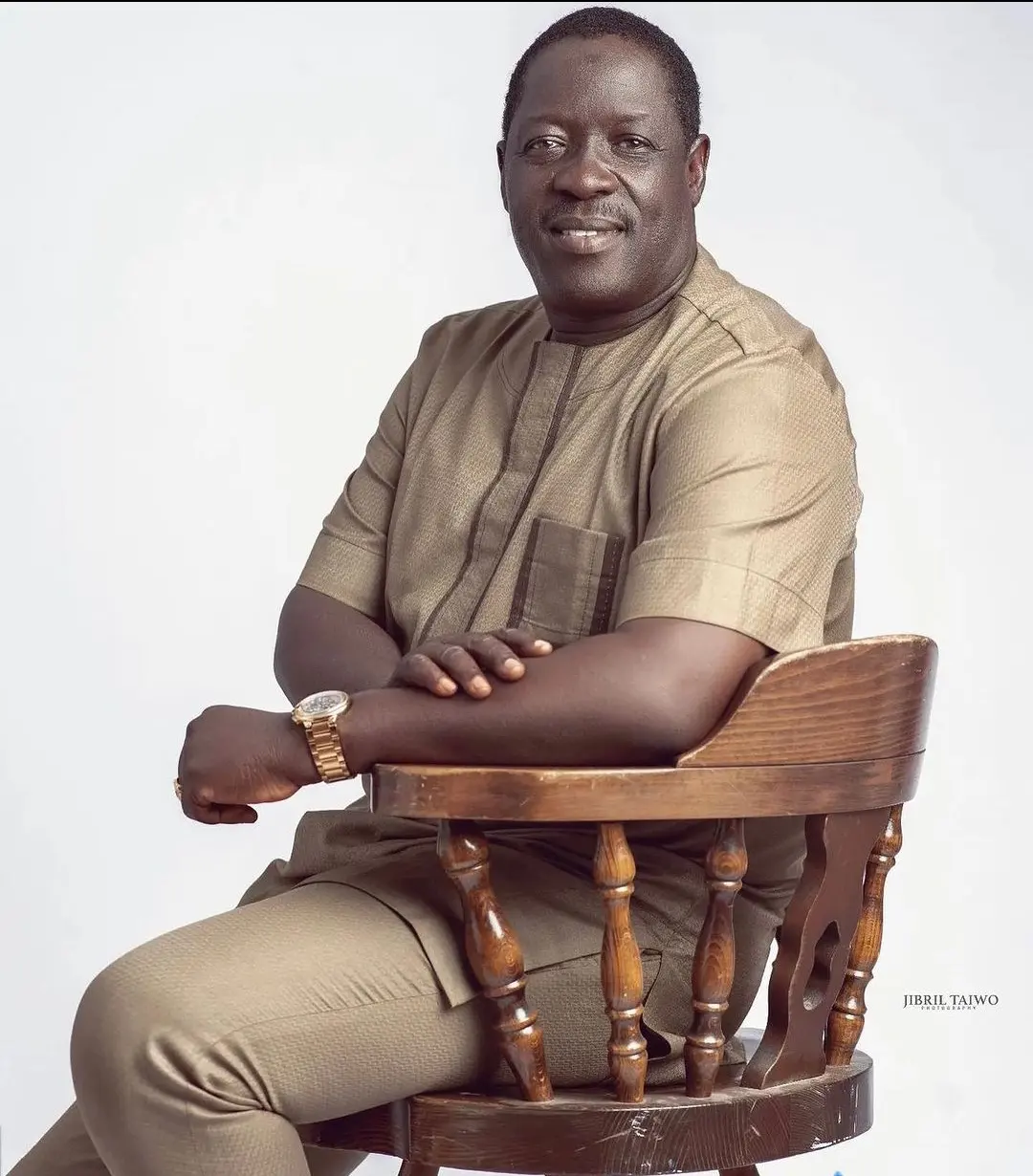
For the Nigerian film industry, the death of Ogogo represents the loss of one of the most recognisable and influential figures in Yoruba-language cinema. His career spanned more than four decades, during which he featured in more than 300 films and established himself not merely as an actor but as a filmmaker, theatre practitioner and passionate contributor to the growth of Nigerian cinema.
Ogogo’s final days were marked by an extraordinary outpouring of concern from colleagues and admirers. Earlier in the week, prominent actors and filmmakers gathered in Lagos for a special prayer session for him. The gathering brought together veterans and younger practitioners including Jide Kosoko, Yinka Quadri, Antar Laniyan, Bukky Wright, Wale Elesho, Yomi Fash-Lanso, Madam Saje, Mr Latin, Lateef Adedimeji and Toyosi Adesanya, among others. Adebayo Salami, popularly known as Oga Bello, reportedly participated virtually.
The emotional campaign to save Ogogo also exposed the desperation of his family as they searched for viable medical options. His daughters repeatedly stressed that their appeal was not primarily for money but for credible medical assistance capable of giving their father another chance. Senator Solomon Adeola, popularly known as Yayi, was acknowledged by Kira for supporting the family with medical expenses.
Kira had, only hours before news of her father’s death emerged, spoken publicly about the immense emotional burden the cancer battle had placed on the family. She complained that some people were allegedly attempting to exploit the situation by offering supposed solutions in exchange for huge sums of money. She also revealed how deeply the illness had affected Ogogo’s elder brother and other members of the family.
The news of Ogogo’s death has since sent shock waves through the Nigerian entertainment community, with fans, actors and filmmakers mourning a man whose contribution to Yoruba cinema extended far beyond his performances on screen.
For generations of Nigerian movie lovers, Ogogo was a familiar and commanding presence. His distinctive acting style, powerful delivery and deep connection with Yoruba culture helped make him one of the enduring faces of indigenous Nigerian cinema. His work formed part of a larger tradition of filmmakers and actors who transformed Yoruba theatre and storytelling into a major force within Nollywood.
His death is particularly poignant because it follows a period in which the industry rallied around him in prayer and solidarity. Only days ago, more than 100 entertainment personalities reportedly gathered to pray for his recovery. The prayers reflected the affection and respect he commanded among colleagues after decades of service to the profession.
As tributes begin to pour in from across Nigeria and beyond, Ogogo leaves behind a legacy built on discipline, longevity, creativity and an enduring commitment to Nigerian storytelling.
He gave more than four decades of his life to the stage and screen. In doing so, he helped preserve Yoruba cultural expression while contributing to the development and visibility of Nigeria’s indigenous film industry.
The curtain has now fallen on the life of Taiwo Hassan, but the body of work he leaves behind will continue to speak to generations of Nigerians.
Ogogo is dead. His art, however, lives on.
