

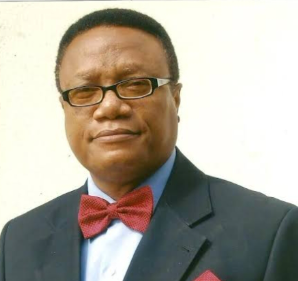
By Professor Hope Eghagha
Professor Hope O’Rukevbe Eghagha has expressed concerns over political manoeuvring, alleged plans to rig elections and the place of ordinary Nigerians in the forthcoming 2027 general elections.
Eghagha raised the issues in a commentary titled “Conversation Nigeriana: Election Fever and Feverish Elections”, published on October 19, 2026, in which he examined the activities of politicians, the economic situation and the prospects for credible elections.
The discussion highlighted the growing political tension ahead of the elections, with politicians reportedly holding meetings, raising campaign funds and spreading information against their opponents.
One of the participants, Aboki, observed that political activities were intensifying across the country, while Orezi argued that politicians often held meetings to outsmart opponents, plan electoral strategies, raise funds and influence public opinion.
The conversation also raised concerns about corruption allegations against opposition figures, with participants suggesting that investigations could be used to distract political opponents during election campaigns.
The participants questioned whether ordinary Nigerians were sufficiently involved in the political process, with Rukevbe repeatedly asking, “Where are the people?”
Chidi argued that many Nigerians appeared detached from the forthcoming elections, saying they were more concerned about economic hardship than political campaigns. He added that financial inducements and the distribution of food could influence voters as election day approached.
The discussion also questioned how the ruling All Progressives Congress (APC) could secure another electoral victory amid widespread complaints about the rising cost of food, transportation and other essential goods.
Participants suggested that President Bola Tinubu could rely on state governors and their political structures to strengthen the APC’s chances at the polls, noting that governors often played significant roles in mobilising voters and coordinating campaigns at the grassroots.
The commentary also examined the influence of international financial institutions on Nigeria’s economic policies, questioning whether the endorsement of government reforms by the International Monetary Fund and the World Bank reflected the experiences of ordinary Nigerians.
On electoral credibility, the participants discussed allegations of election manipulation in different countries, including the United States. They cited the 2016 American presidential election, in which Hillary Clinton won the popular vote but lost the presidency to Donald Trump under the Electoral College system.
The discussion also referenced previous Nigerian elections in which incumbent governors lost their re-election bids, including Gboyega Oyetola’s defeat by Ademola Adeleke in Osun State in 2022.
The commentary cited an assessment attributed to The Economist, which identified a divided opposition, incumbency advantage, religion, political cynicism and low voter turnout as factors that could influence the outcome of Nigeria’s 2027 presidential election.
It further examined Tinubu’s reported decision to rely on campaign officials to lead activities across states and local government areas rather than personally attend every campaign event.
Speaking during the inauguration of the campaign council, Tinubu reportedly said he would make time to address Nigerians directly while allowing campaign officials to lead campaigns across the country, explaining that he had been advised not to allow campaign activities to distract him from governance.
The discussion questioned the implications of the President’s decision, with participants expressing concern about his reduced physical involvement in campaign activities compared with previous elections.
The commentary concluded with renewed questions about whether the interests and votes of ordinary Nigerians would determine the outcome of the 2027 elections, amid concerns about political manoeuvring, possible electoral manipulation and the influence of those in power.
