

By Kolawole Omotola Olaide
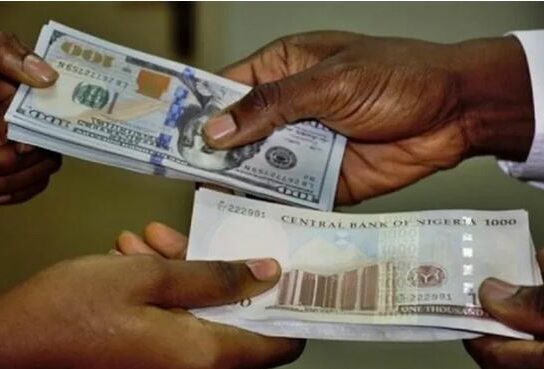
The Nigerian currency continued to face pressure in the foreign exchange market as the naira traded above ₦1,370 against the United States dollar at the official market, according to the latest figures released by the Central Bank of Nigeria (CBN).
Data from the apex bank showed that the naira exchanged at approximately ₦1,370.45 to the dollar, reflecting a slight depreciation when compared to previous trading sessions. Despite efforts aimed at stabilising the foreign exchange market, demand for the dollar remains strong across various sectors of the economy.
Meanwhile, rates in the parallel market remained significantly higher, with the dollar reportedly trading around ₦1,390, highlighting the persistent gap between official and unofficial exchange windows.
Financial analysts say the disparity reflects ongoing pressure on foreign currency supply and continued demand from importers, businesses, travellers and investors seeking access to foreign exchange.
The current market structure follows the CBN’s foreign exchange reforms introduced in June 2023, which unified multiple exchange rate windows into the Investors and Exporters (I&E) market. The policy was designed to improve transparency, enhance liquidity and allow market forces to play a greater role in determining exchange rates.
Under the framework, eligible foreign exchange transactions are processed through authorised financial institutions using a willing-buyer, willing-seller model intended to promote efficiency and price discovery within the market.
Economic observers note that while the reforms have improved transparency, the naira continues to face challenges linked to foreign exchange demand, global economic conditions and domestic market dynamics.
Experts believe sustained foreign investment inflows, increased export earnings and stronger dollar liquidity will be crucial in supporting long-term exchange rate stability.
The CBN has repeatedly maintained that ongoing reforms are aimed at strengthening confidence in the foreign exchange market while ensuring a more flexible and market-driven system.
As businesses and consumers monitor developments closely, stakeholders continue to watch for policy measures that could ease pressure on the naira and improve access to foreign currency across the economy.
Market analysts also advise individuals and businesses involved in foreign exchange transactions to verify rates through official channels, noting that exchange rates may vary depending on location, transaction volume and market conditions.
