

By Kolawole Omotola Olaide
Lagos, August 31, 2026
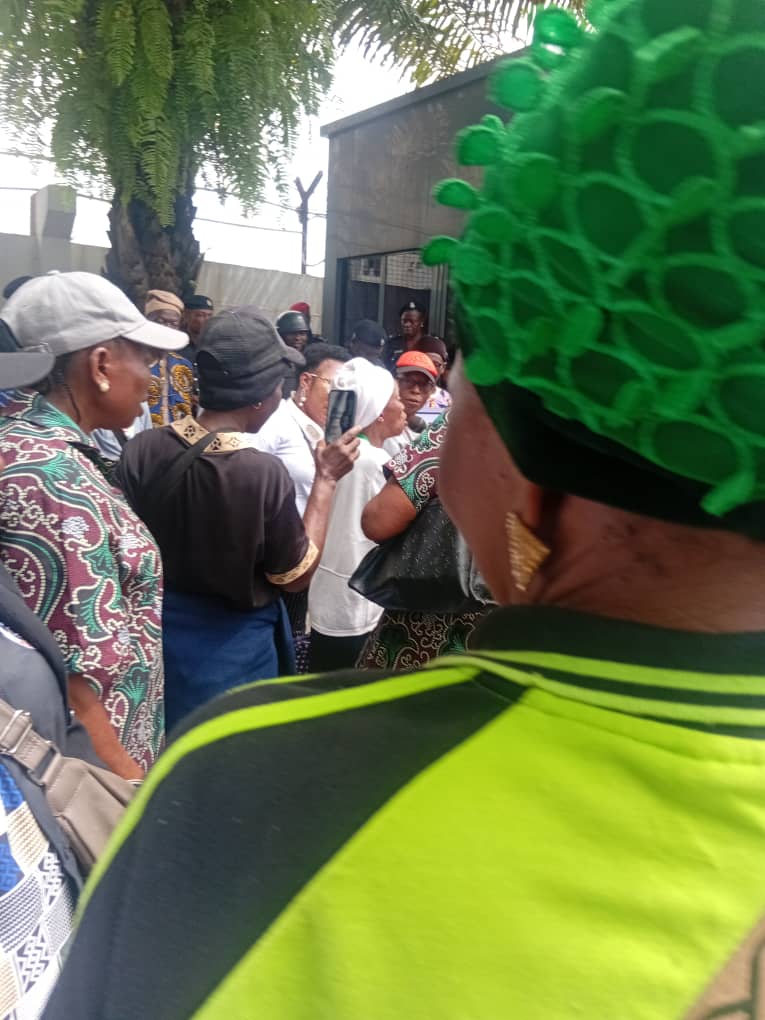
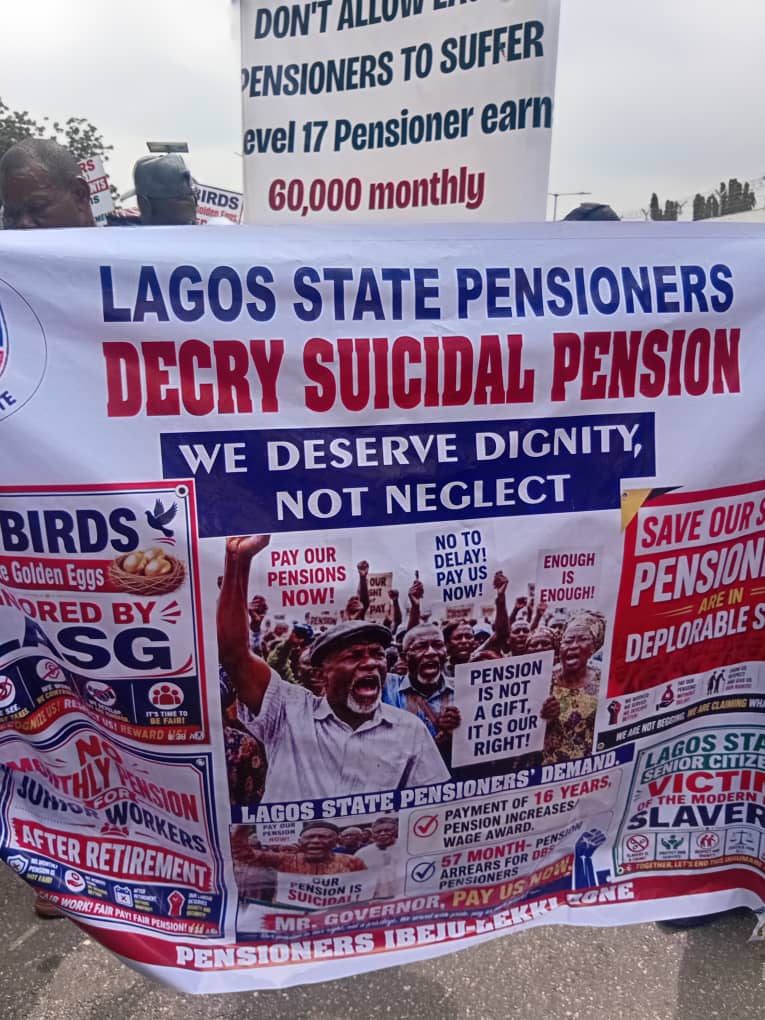 A peaceful protest by Lagos State pensioners demanding the regular payment of their pensions, settlement of outstanding arrears, implementation of approved pension increases and payment of other retirement benefits turned tense on Monday after security operatives fired tear gas at the elderly protesters gathered at the Lagos State Government House in Alausa, Ikeja.
The pensioners, comprising members of the Nigeria Union of Pensioners and retirees under the Contributory Pension Scheme, had converged on the seat of the Lagos State Government after issuing an August 31 deadline to the state authorities to address what they described as persistent injustice in the administration and payment of their pensions.
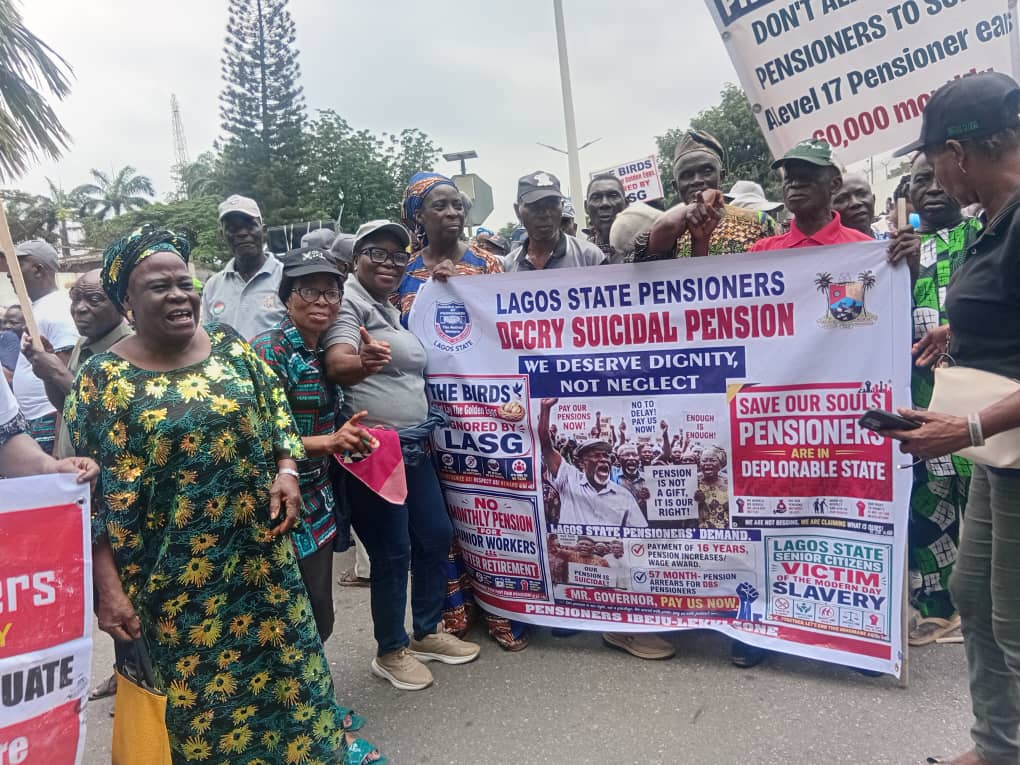 The protest was the culmination of months of complaints, meetings, appeals and earlier warning demonstrations by the retirees. They said they had exhausted virtually every avenue of dialogue and were left with no option but to take their grievances to the streets.
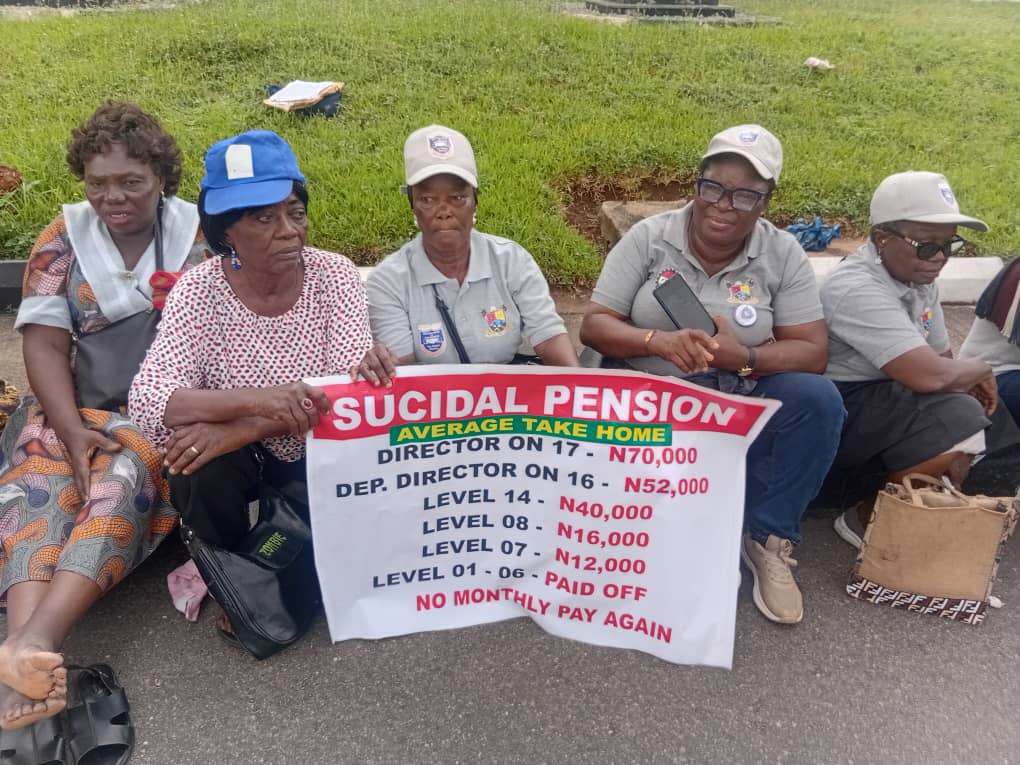
The protesters complained not only about delays in payment but also what they described as irregular payments, underpayment, accumulated arrears, unpaid wage awards and the failure to implement approved pension increases.
 The elderly demonstrators marched and sang solidarity songs as they demanded that the state government fulfil its obligations to people who had spent decades working for Lagos State.
The latest protest followed an earlier warning demonstration during which the pensioners had given the government until August 31 to respond positively. Their leaders had warned that failure to meet their demands would result in a larger mobilisation at Alausa.
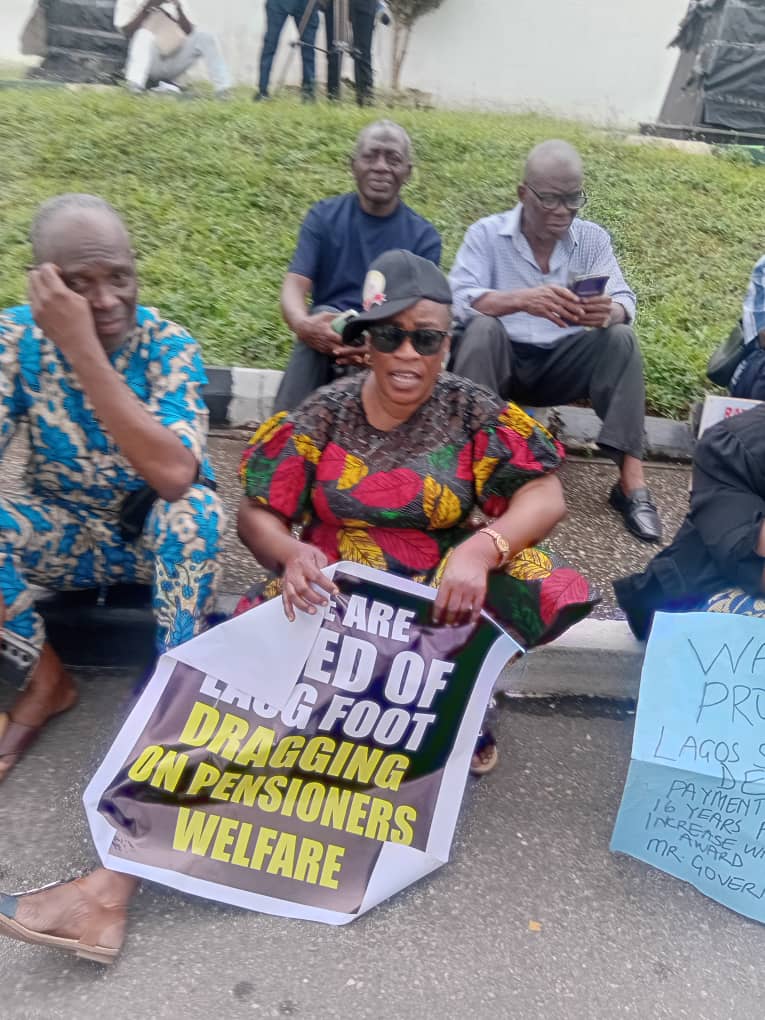 The pensioners have particularly been aggrieved over the delayed implementation of pension adjustments which they said should have followed increases already implemented at the federal level. They argued that the continued delay had become increasingly unbearable in the face of Nigeria’s rising cost of living.
For many of the protesters, the issue was not merely about receiving money. It was about dignity, survival and the right to enjoy the fruits of decades of public service.
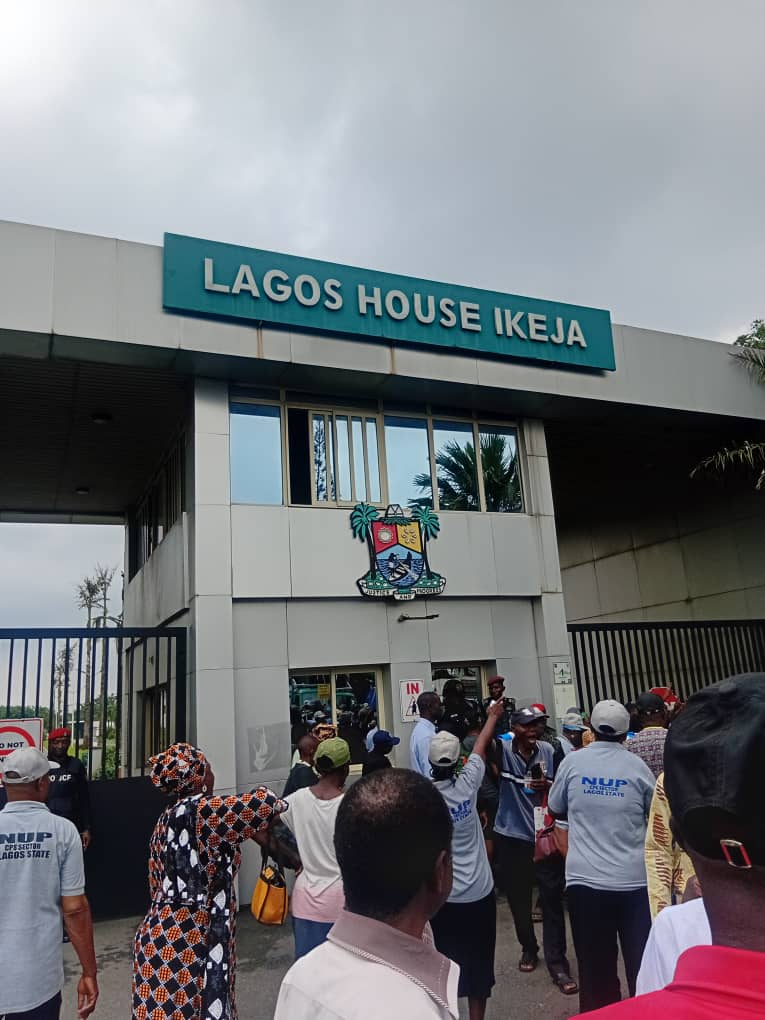 From Peaceful Protest to Tear Gas
The atmosphere reportedly remained largely peaceful for several hours before tensions escalated as security personnel moved to disperse the protesters.
Reports from the scene said police fired tear gas at the retirees, sending some of them scrambling for safety. A woman was reportedly assisted after fainting during the incident.
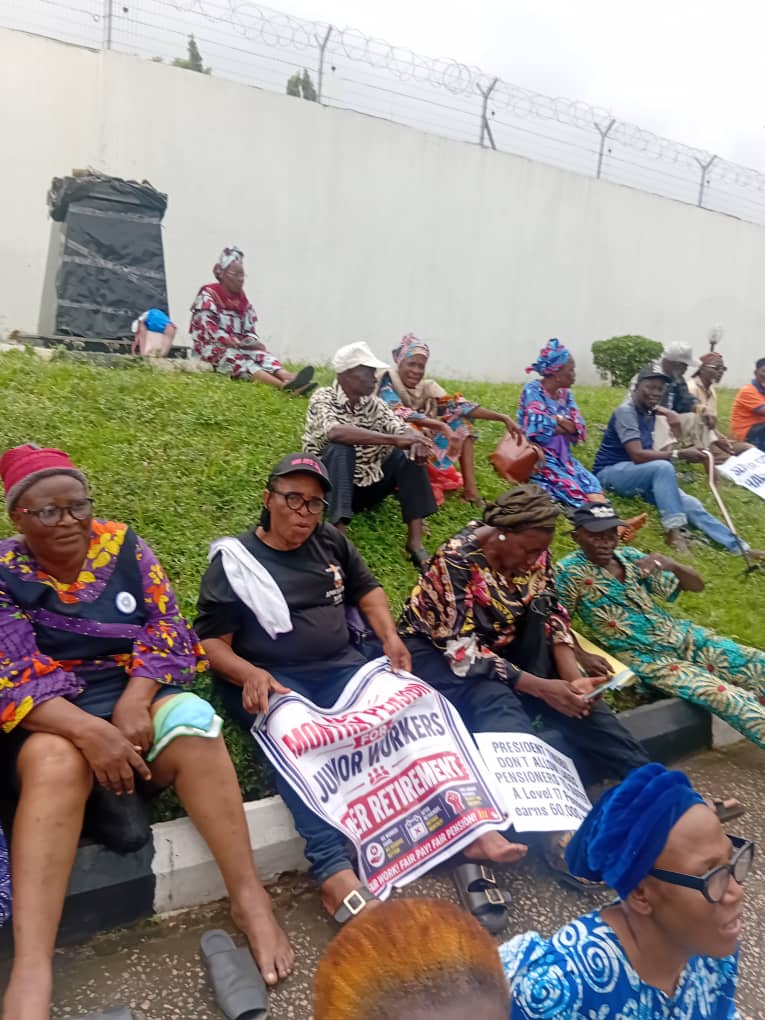 The use of tear gas against elderly citizens immediately generated anger among the pensioners, some of whom questioned why a demonstration centred on their welfare had been met with such force.
The irony of the incident was particularly striking. The policemen deployed to maintain security at the protest were themselves workers who would one day face retirement and the uncertainties that accompany life after active service.
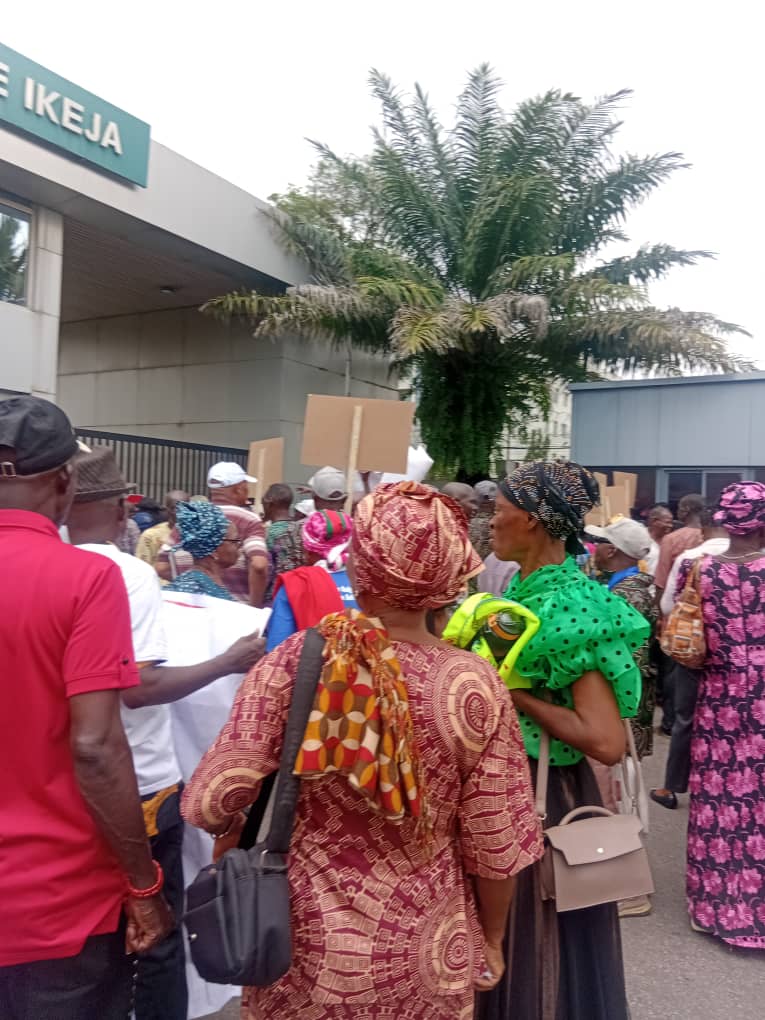 In an especially poignant twist, one of the policemen caught up in the tear-gas incident was reportedly himself affected by the same action and, in the unfolding drama, emerged as a victim rather than simply an enforcer of the dispersal operation.
The episode offered a powerful metaphor for the pensioners’ grievance: the people enforcing the system today could themselves become victims of the same system tomorrow.
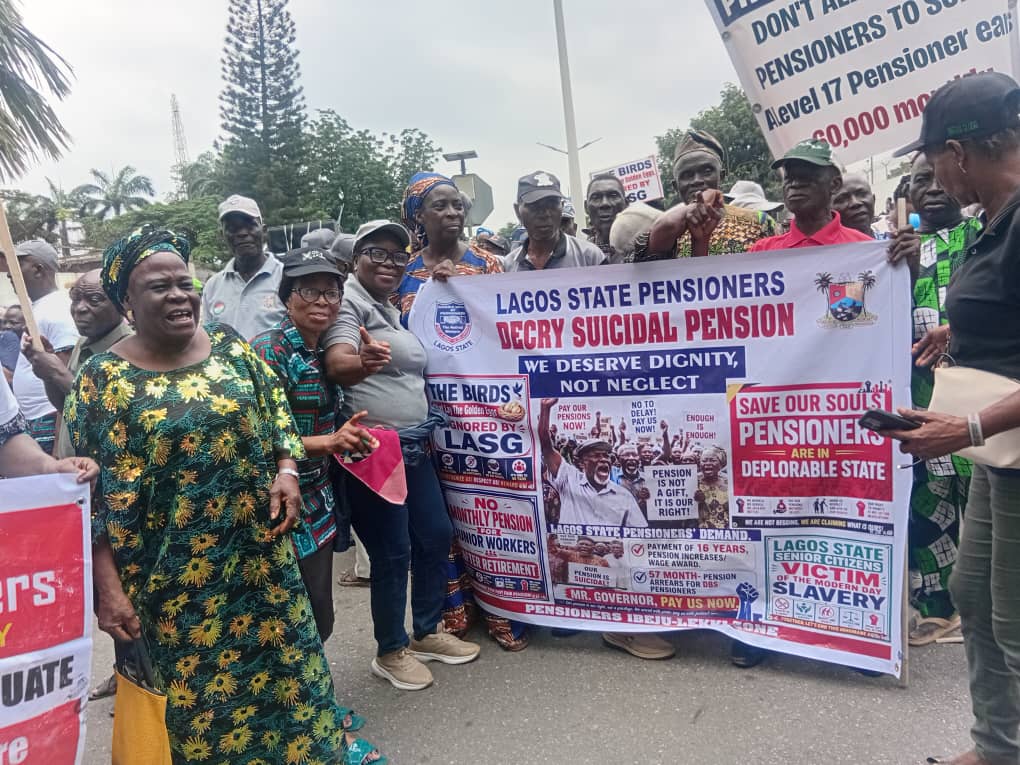
 Pensioners: We Want What We Worked For
The protesters maintained that they were not asking the government for charity.
They insisted that their pensions and retirement benefits were legitimate entitlements earned through years of service to Lagos State.
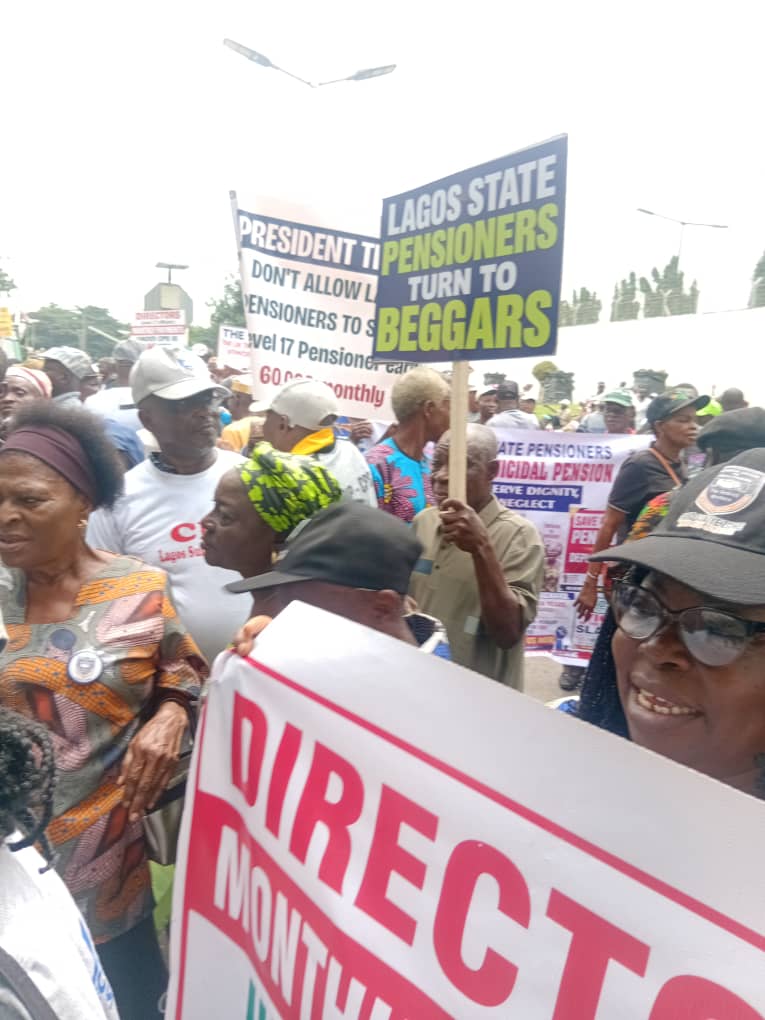 Their demands include payment of outstanding pension arrears, implementation of pension increases and wage awards, settlement of other accrued benefits and a more reliable system of pension payment. Reports have indicated that some Lagos pensioners have outstanding arrears running into several years, with some claims dating back to 2007.
The pensioners’ anger has also been fuelled by what they perceive as unequal treatment between different categories of retirees.
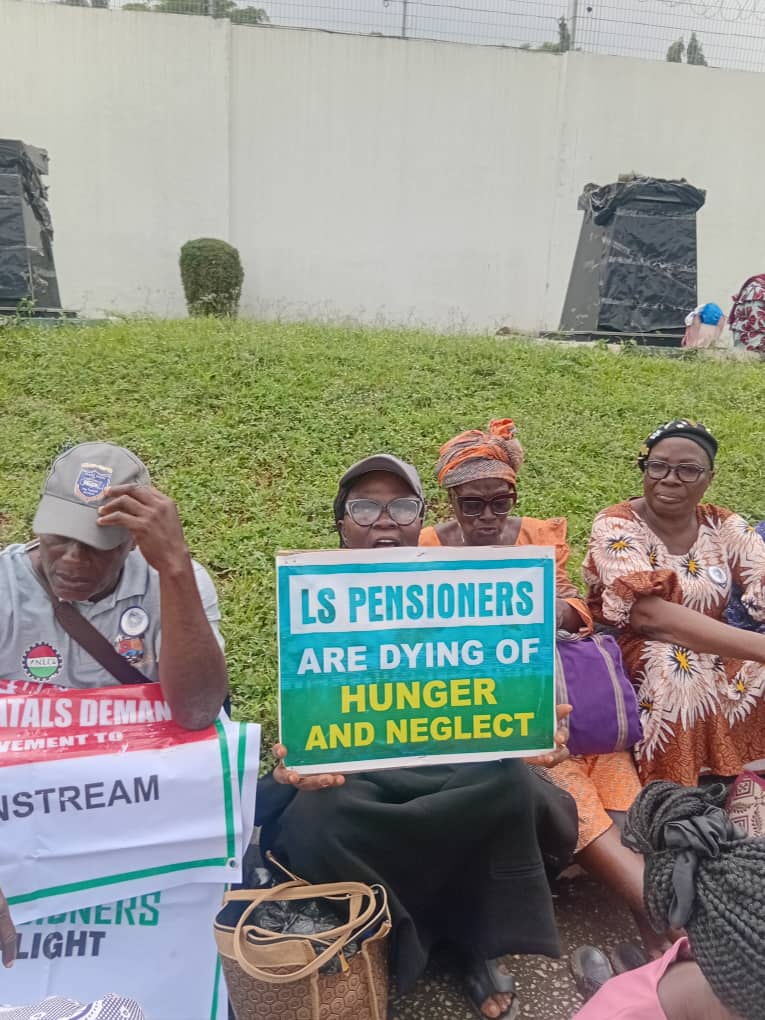 The Nigeria Union of Pensioners, Contributory Pension Scheme, had previously accused the Lagos State Government and the Lagos State Pension Commission of delaying the implementation of pension adjustments despite assurances that Lagos would follow federal action on pension increases.
Government’s Position
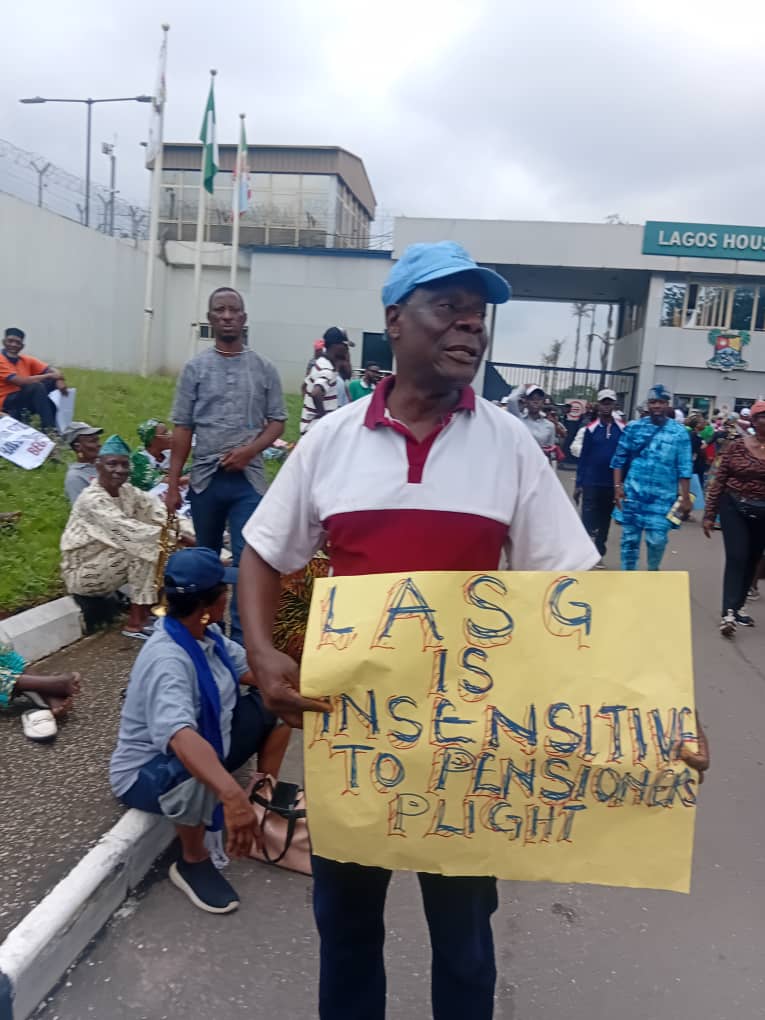 The Lagos State Pension Commission, however, has maintained that the state has made significant commitments to the welfare of retirees.
LASPEC said the Lagos State Government had paid N168.2 billion to more than 48,000 retirees since 2007, including about N92 billion in accrued rights to more than 25,000 retirees since May 2019. The commission also pointed to reforms undertaken to strengthen the state’s contributory pension system.
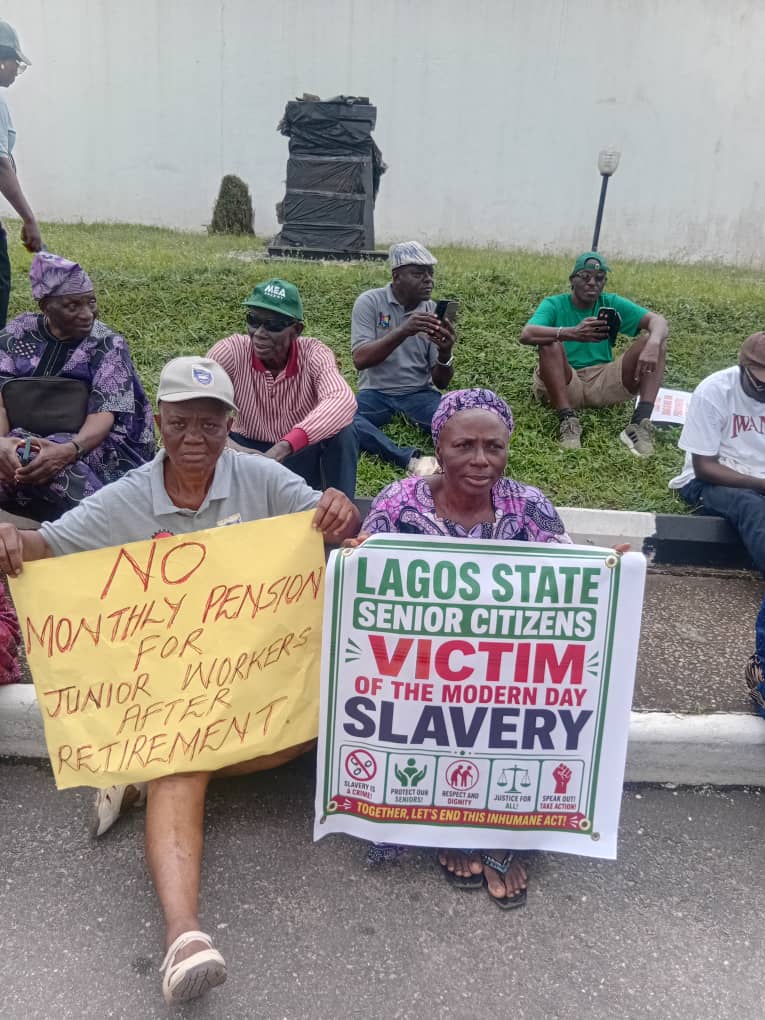
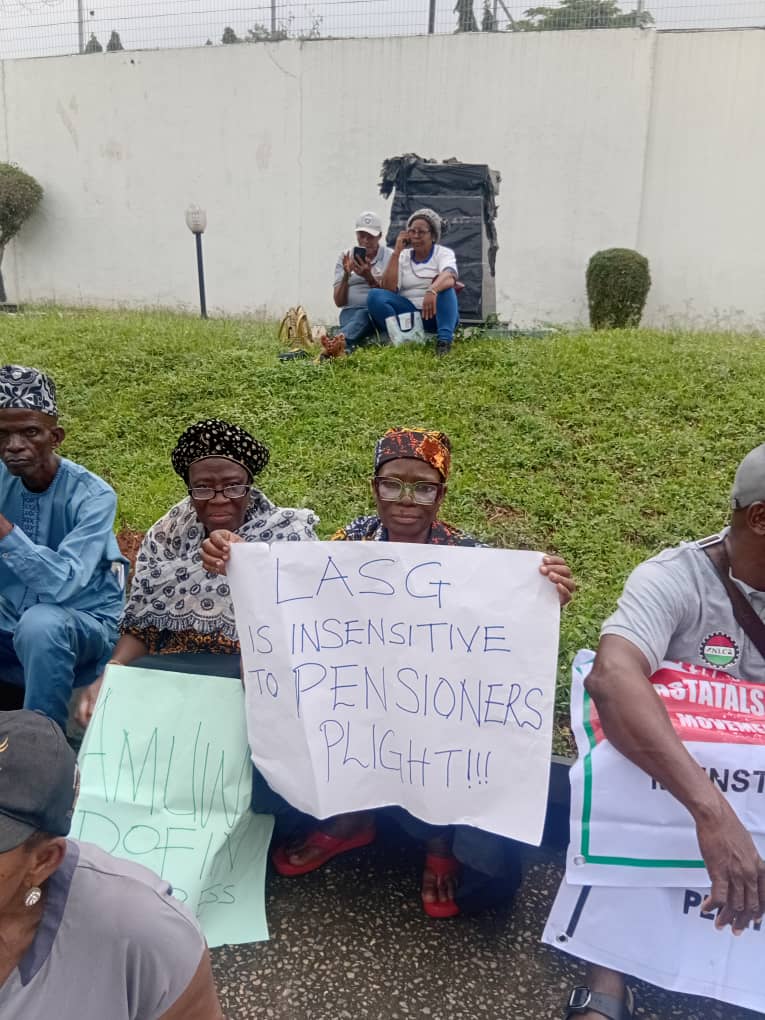 The figures have not, however, eliminated the grievances of pensioners who maintain that substantial numbers of retirees remain affected by outstanding payments and delayed adjustments.
A Crisis of Trust
Monday’s confrontation therefore goes beyond the tear gas fired at Alausa.
It reflects a growing crisis of confidence between Lagos pensioners and the institutions responsible for administering their retirement benefits.
For a generation that spent decades building Lagos’s public service, the sight of elderly men and women struggling to breathe under clouds of tear gas has become an uncomfortable image of a much larger question: what happens to those who devoted their productive years to government when government becomes unable, or unwilling, to meet its obligations to them?
The pensioners have made it clear that their struggle is not over.
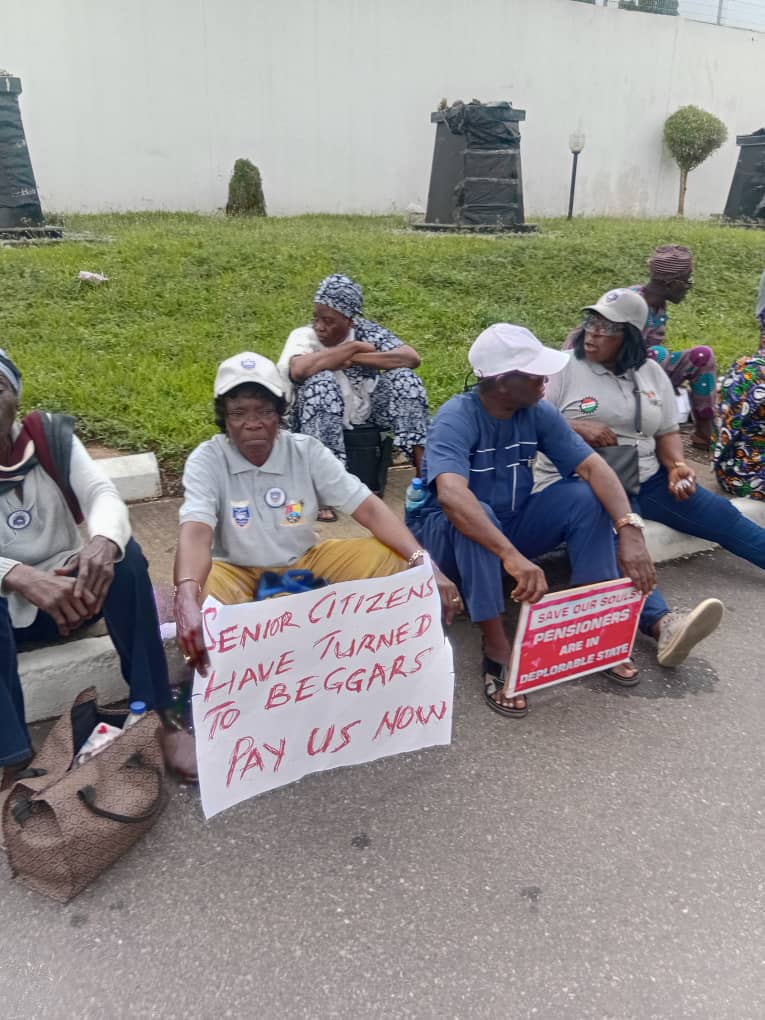 And after Monday’s dramatic confrontation at Alausa, the Lagos State Government now faces renewed pressure to sit down with the retirees, address the disputed arrears and payment issues and provide a clear, credible and transparent timetable for resolving the outstanding matters.
For the pensioners, however, the message remains painfully simple:
They are not begging for favours. They are demanding the benefits they believe they earned.
