

By Jimmy Fatunbi
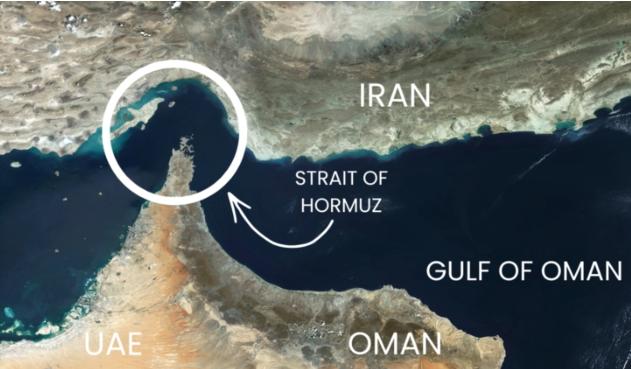
Iran has maintained its refusal to reopen the strategically vital Strait of Hormuz, insisting the waterway will remain closed as long as a United States naval blockade continues, despite an extended ceasefire.
Tehran reinforced its stance on Thursday, announcing the seizure of two ships attempting to pass through the narrow channel, a key route for roughly one-fifth of global oil shipments.
The US Central Command (CENTCOM) said late Wednesday it had ordered 31 vessels to turn back or return to port as part of what it described as a blockade targeting Iran.
Tensions persist even as diplomatic efforts continue. US President Donald Trump had earlier extended the truce, saying the pause would allow time for Pakistan-mediated peace talks. Iran acknowledged Islamabad’s role but did not directly respond to Trump’s remarks.
Iranian parliament speaker Mohammad Bagher Ghalibaf, who led Tehran’s delegation in initial talks in Islamabad, said a ceasefire cannot hold under what he described as continued provocation.
“A ceasefire loses its meaning when it is accompanied by a naval blockade,” he said, adding that reopening the strait under such conditions was not feasible.
Oil markets reacted sharply to the developments, with prices initially surging on fears of supply disruption. US benchmark West Texas Intermediate rose more than four percent to $96.73 per barrel, while Brent crude climbed over three percent to $105.63, before both eased slightly.
Trump indicated that further negotiations could resume in Pakistan within days, though Iran has yet to confirm participation. He also suggested Iran had halted plans to execute eight women detained during recent protests, a claim dismissed by Tehran’s judiciary as false.
Ships intercepted.
Iran’s Islamic Revolutionary Guard Corps said its naval forces intercepted two vessels in the Strait of Hormuz, identifying them as the Panama-flagged MSC Francesca and the Liberia-flagged Epaminondas.
Panama condemned the seizure of the MSC Francesca, describing it as a serious threat to maritime security and an unnecessary escalation.
Maritime security monitors reported multiple incidents involving commercial vessels in the strait. A container ship was reportedly fired upon by an Iranian gunboat northeast of Oman, sustaining damage but no casualties.
The US Navy, acting on Trump’s orders, has been enforcing restrictions on vessels linked to Iranian ports, aiming to increase economic pressure on Tehran short of full-scale conflict.
Amid the standoff, the Pentagon announced the immediate departure of Secretary of the Navy John Phelan, without providing further details.
Iran has countered US measures by requiring ships to obtain clearance before entering or leaving the Gulf via the strait. The policy marks a reversal from its earlier pledge of free passage during the ceasefire.
Both Washington and Tehran have accused each other of violating the truce, further complicating efforts to stabilise the region.
Violence continues in Lebanon.
Elsewhere, violence has persisted despite a separate US-brokered truce between Israel and Lebanon, including the Iran-backed Hezbollah group.
Lebanese media reported that Israeli airstrikes killed five people on Wednesday, including journalist Amal Khalil, while another reporter was injured.
French President Emmanuel Macron confirmed the death of a second French soldier wounded in a recent attack on UN peacekeepers in Lebanon. Hezbollah has denied involvement in the ambush, which also claimed the life of another soldier.
Israel and Lebanon are expected to hold a second round of talks in Washington on Thursday. Lebanese officials are seeking a one-month extension of the ceasefire, along with assurances to halt Israeli strikes in affected areas.
According to Lebanese authorities, more than 2,450 people have been killed since the conflict began.
