

By Peter Omopo
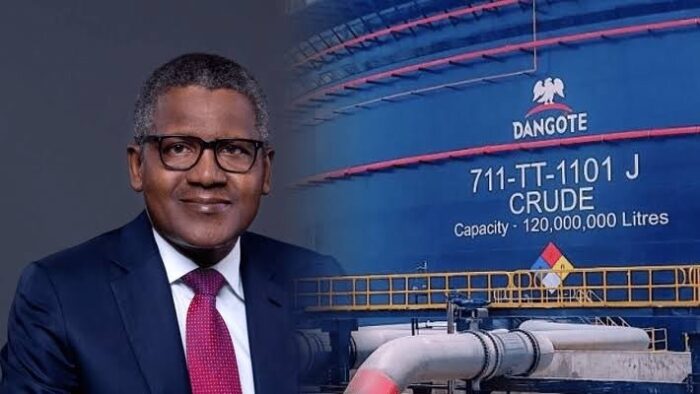
The Dangote Refinery has reduced its gantry price of Premium Motor Spirit (PMS), commonly known as petrol, by N50 per litre, bringing the price down from N1,175 to N1,125 per litre nationwide.
The latest adjustment was confirmed on Thursday by the spokesperson of the Dangote Group, Anthony Chiejina, who stated that the refinery had implemented the reduction as part of ongoing price reviews in response to market developments.
According to him, the refinery’s petrol gantry price has now been lowered by N50 per litre, further easing wholesale fuel costs across the country.
In addition to the reduction in gantry prices, the refinery also reviewed its coastal supply price downward. The coastal petrol supply price fell from N1,495,215 per metric tonne to N1,428,165 per metric tonne.
The development comes amid a significant decline in global crude oil prices, which have dropped to between $69 and $73 per barrel, returning to levels recorded before the escalation of tensions in the Middle East.
The latest cut follows an earlier reduction announced by the refinery on June 16, when the gantry price of petrol was lowered by N75 per litre. That adjustment subsequently triggered reductions in retail pump prices across various parts of the country.
With the new reduction, the refinery has cut its petrol price by a cumulative N125 per litre within two weeks as international oil prices continue to soften.
Despite the downward adjustments, retail petrol prices in Abuja and surrounding areas currently range between N1,241 and N1,305 per litre, depending on the marketer and location.
Meanwhile, many Nigerians have continued to call for further reductions in pump prices, arguing that fuel should return to levels of between N800 and N900 per litre, which prevailed before the spike in global energy prices linked to geopolitical tensions earlier in the year.
Industry observers say the impact of the latest reduction on retail prices will depend on market forces, distribution costs, and the speed at which marketers adjust their pricing structures in response to the lower refinery rates.
