

By Sola Ojewusi
The 2026 FIFA World Cup has entered a breathtaking new phase, and if the opening four Round of 32 matches are anything to go by, football’s established order is under unprecedented assault.
For decades, the knockout stage has been the playground of traditional heavyweights. Germany, Brazil and the Netherlands have long carried the aura of inevitability whenever the World Cup reaches its decisive rounds. But in North America, the script is being rewritten with astonishing speed.
Four matches have been completed. Three have delivered seismic shocks.
The first warning came when co-hosts Canada edged South Africa 1-0 to become the first nation to secure passage into the Round of 16. It was hardly spectacular, but it demonstrated the growing confidence of a Canadian side determined to make history on home soil.
Then came the earthquake.
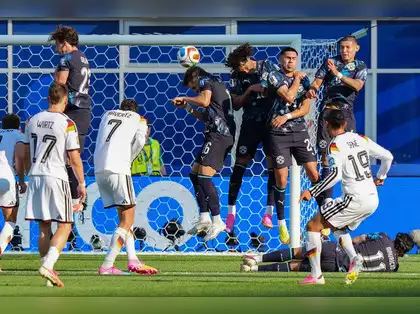
Four-time world champions Germany, tipped by many to mount a serious title challenge, were sent crashing out by a fearless Paraguay side after an absorbing 1-1 draw ended in a dramatic penalty shootout. Goalkeeper Orlando Gill emerged as Paraguay’s immortal hero, while José Canale converted the decisive penalty that condemned Germany to one of the darkest nights in its illustrious World Cup history. The victory sparked scenes of national jubilation, prompting Paraguay’s President, Santiago Peña, to declare a national holiday in celebration of the historic triumph.
As football lovers across the globe were still digesting Germany’s downfall, another European powerhouse followed them through the exit door.
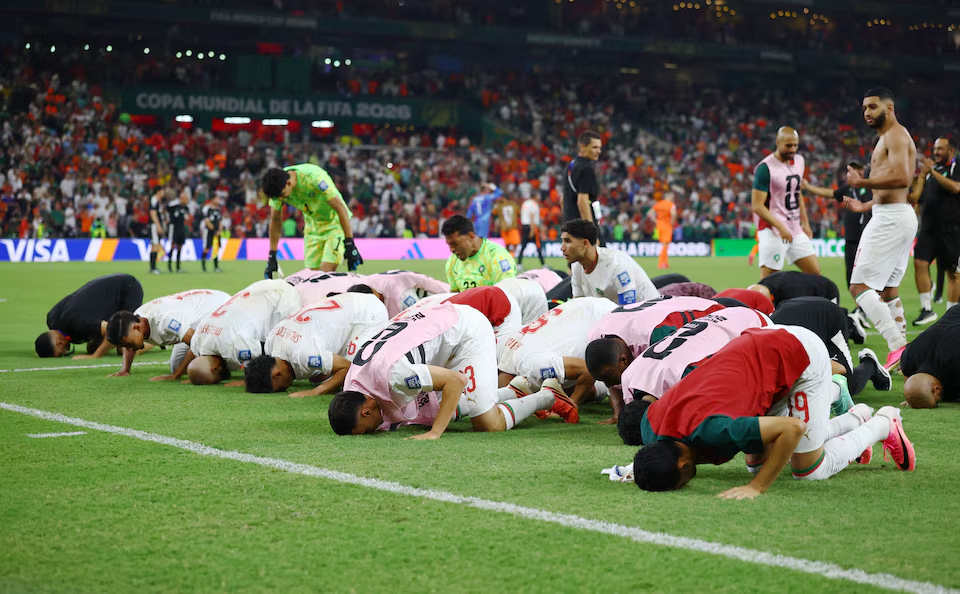
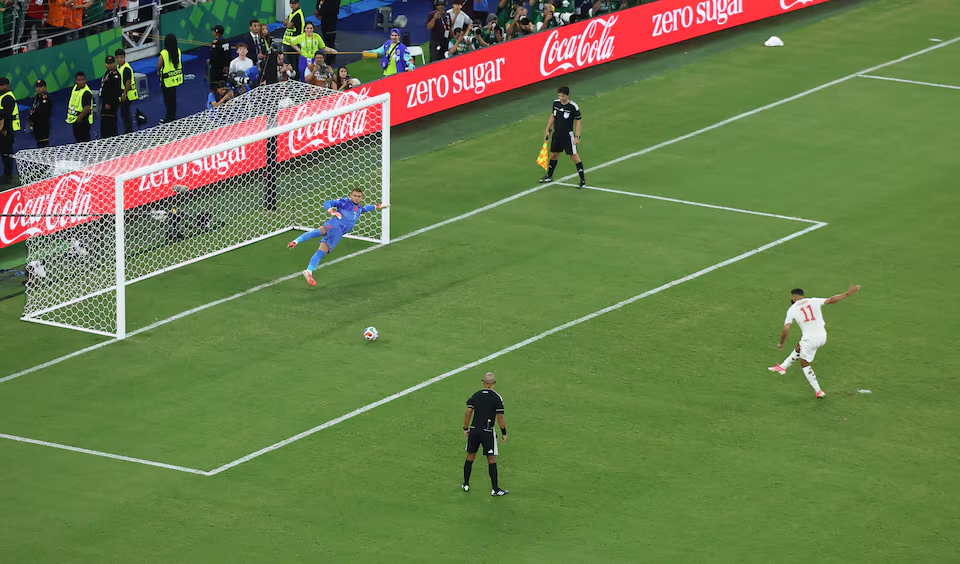
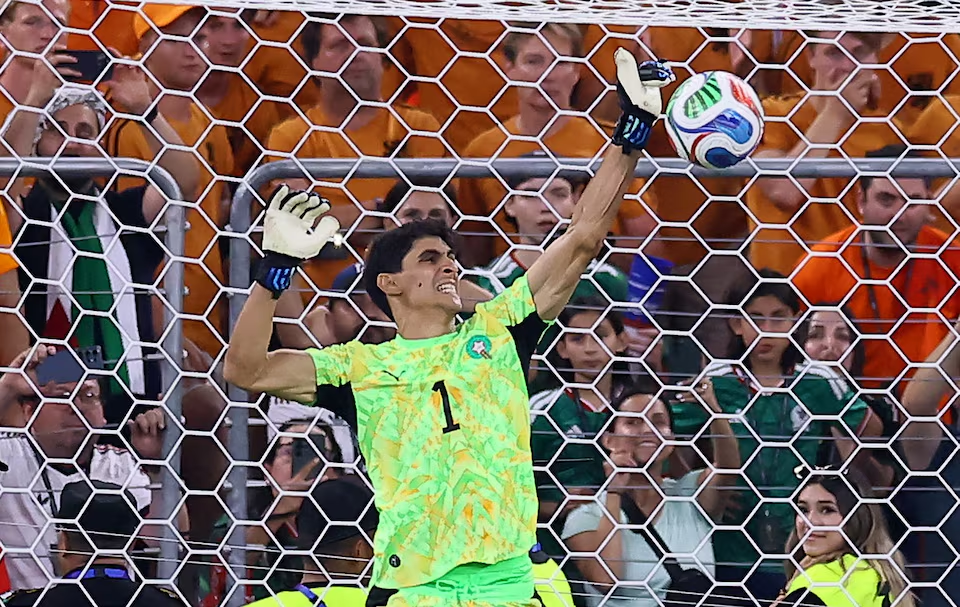
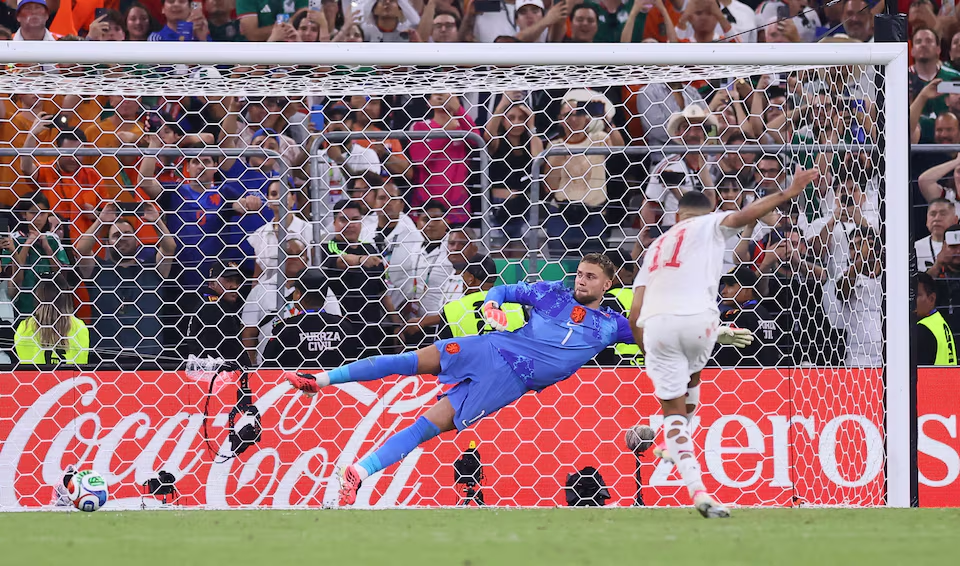
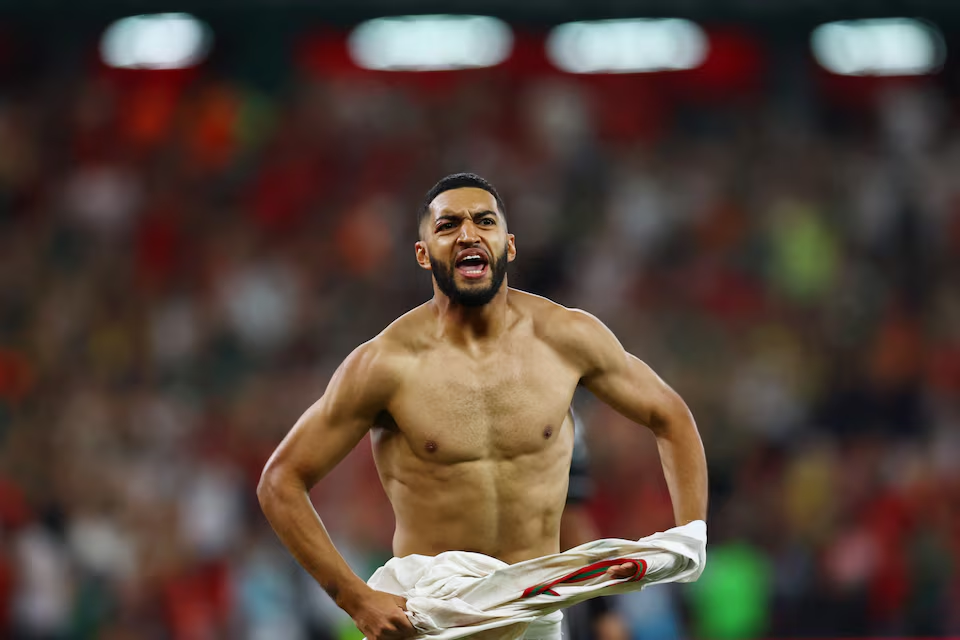
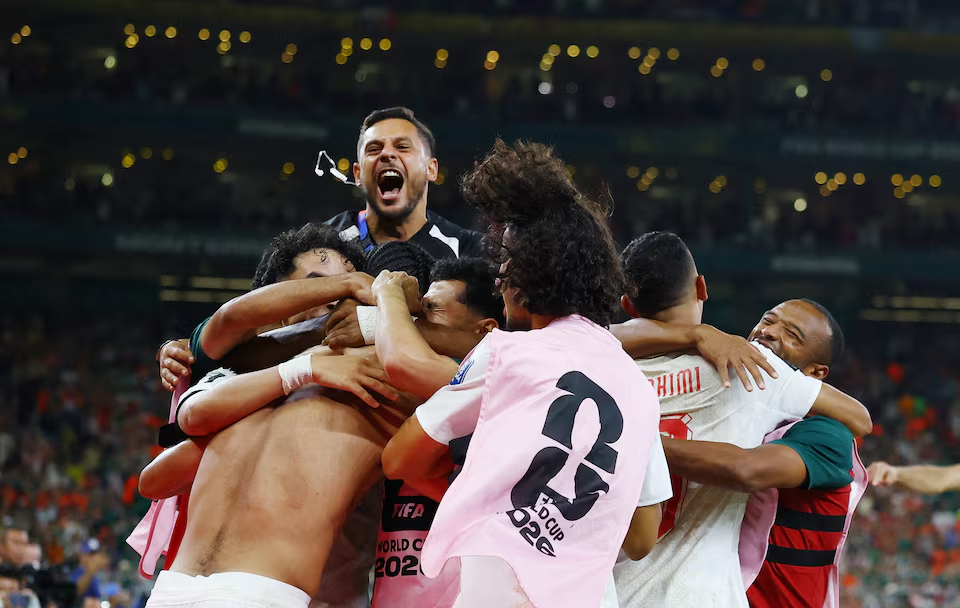
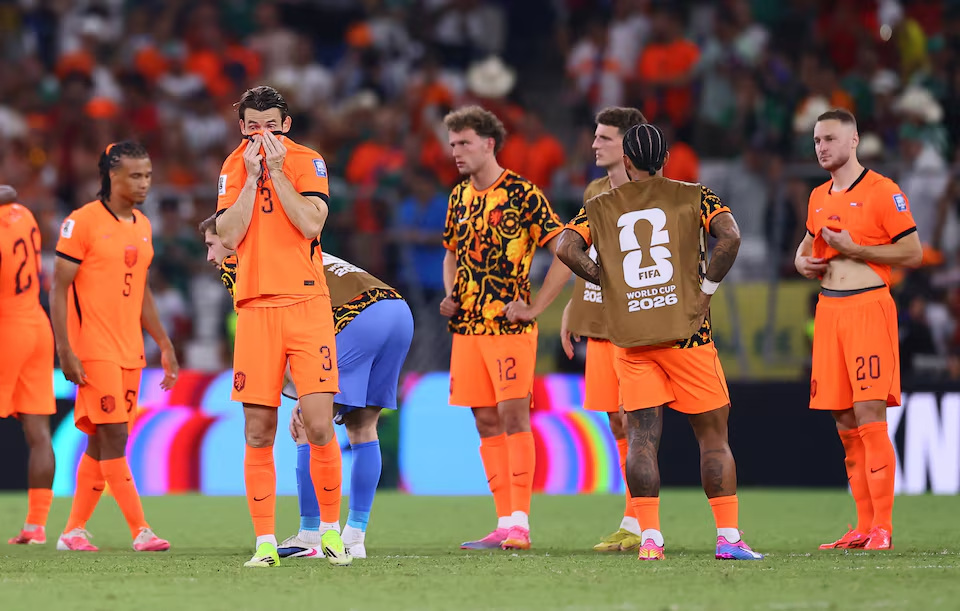
Morocco, Africa’s enduring standard-bearers, once again proved that their remarkable run to the semi-finals four years ago was no accident. After battling the Netherlands to a 1-1 draw, the Atlas Lions held their nerve to prevail in another dramatic penalty shootout. Goalkeeper Yassine Bounou produced yet another unforgettable tournament performance before Ismael Saibari calmly converted the winning penalty, sending Moroccan supporters into wild celebrations and earning a Round of 16 showdown with Canada.
Brazil alone managed to preserve the reputation of football’s traditional aristocracy.
The five-time world champions survived an energetic Japanese challenge to record a hard-fought 2-1 victory. Carlo Ancelotti’s side advanced, but not without exposing vulnerabilities that future opponents will undoubtedly seek to exploit. The margin between established champions and emerging challengers has never appeared slimmer.
Tonight’s Fixtures Promise Fresh Twists
If the opening chapter of the knockout stage has taught the football world anything, it is that reputations count for little once the whistle blows.
Tuesday evening presents another fascinating trilogy of contests capable of producing fresh headlines.
The action begins with Ivory Coast taking on Norway in what promises to be one of the most tactically balanced encounters of the Round of 32. Norway’s hopes rest heavily on the prolific Erling Haaland, while the Elephants possess the athleticism and discipline to frustrate one of Europe’s most dangerous strikers.
Attention will then shift to France, one of the tournament favourites, as Les Bleus face Sweden. Blessed with extraordinary attacking talent and an unbeaten group-stage campaign, France enter as favourites. Yet Germany’s elimination serves as a stark reminder that favourites are increasingly becoming vulnerable in this World Cup. Sweden, renowned for their organisation and resilience, will believe another upset is possible.
The day’s programme concludes with an emotionally charged clash between Mexico and Ecuador. Backed by passionate home support, Mexico will seek to leverage the energy of their fans, while Ecuador have quietly developed into one of South America’s most disciplined and dangerous teams, fully capable of silencing the hosts.
A Tournament Without Certainty
Beyond the individual results lies a compelling narrative.
The expanded 48-team World Cup has accelerated football’s competitive balance. Nations once considered outsiders now possess world-class coaches, elite players competing in Europe’s biggest leagues, sophisticated tactical systems and unwavering self-belief. The once-comfortable divide between football’s aristocrats and the chasing pack is rapidly disappearing.
For Africa, Morocco’s latest triumph is another powerful statement that the continent can consistently compete with—and defeat—the world’s traditional giants. Their victory will inspire not only Ivory Coast tonight but every African nation still dreaming of World Cup glory.
As the Round of 32 continues, one reality has become unmistakably clear: this World Cup is no longer a tournament of predictable outcomes. Germany have fallen. The Netherlands have departed. Brazil have survived by the narrowest of margins.
Now the football world waits to see whether France, Mexico and the other favourites can avoid becoming the next victims of a tournament that is rapidly becoming the World Cup of giant killers.This version reflects The Lagosian Magazine’s narrative style—combining news reporting with analysis, historical context, and editorial depth while maintaining a polished magazine tone.
