

By Peter Omopo
Tensions in the Middle East escalated on Monday as Iran launched fresh missile and drone attacks across the region, following strong warnings from U.S. President Donald Trump over the continued closure of the Strait of Hormuz.
Authorities in Israel, Kuwait, and the United Arab Emirates confirmed a wave of coordinated strikes targeting their territories early Monday, raising fears of a broader regional conflict.
The latest attacks came after Tehran threatened “devastating” retaliation against any strikes on its civilian infrastructure. Iran’s military leadership warned that any escalation by its adversaries would trigger severe consequences across the region.
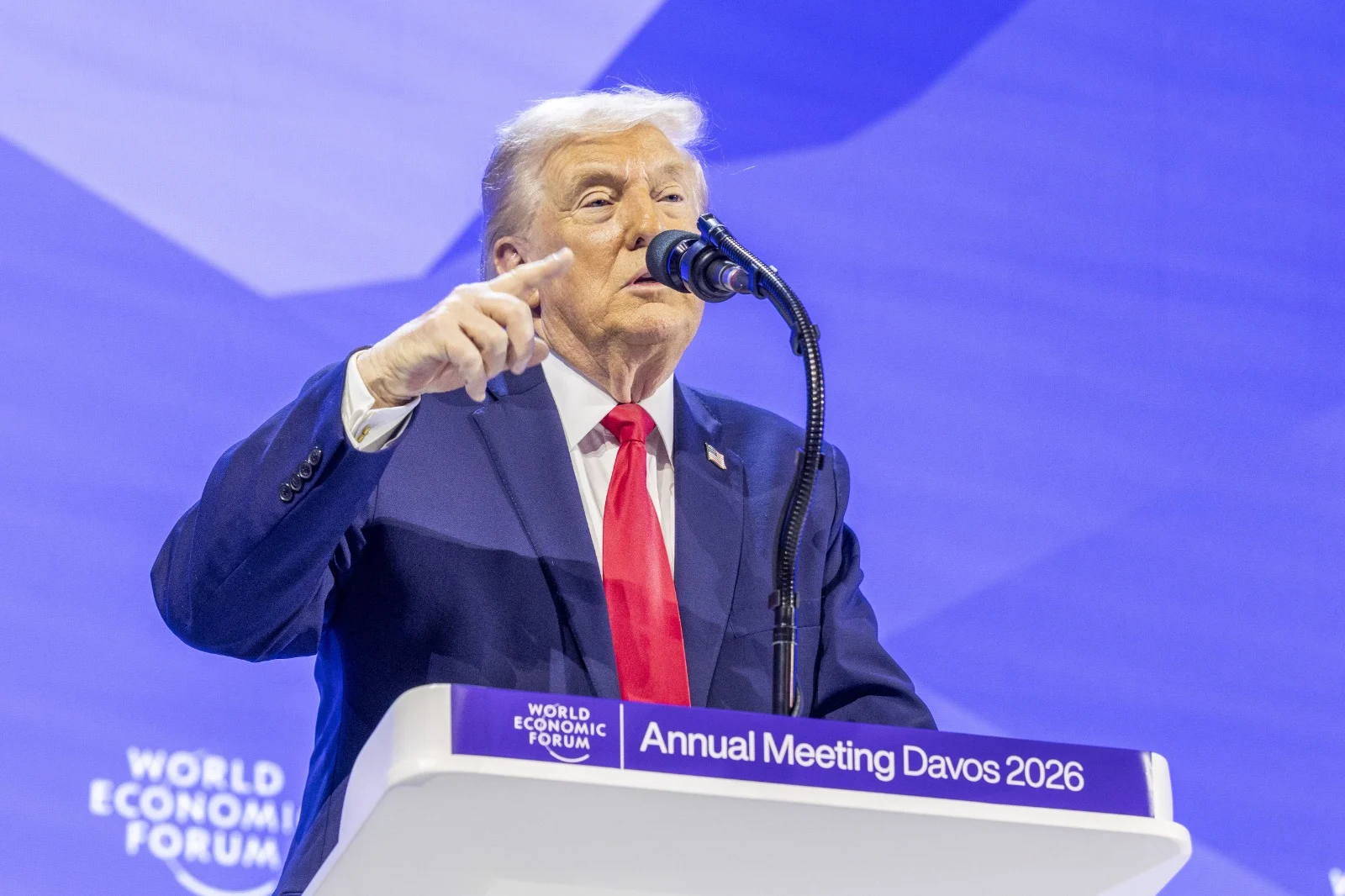
The crisis follows renewed pressure from Trump, who demanded that Iran reopen the strategic Strait of Hormuz, a critical global oil shipping route. The U.S. leader also issued a deadline for compliance, warning of possible military action if Tehran fails to comply.
The conflict, which began on February 28 with joint U.S.-Israeli strikes on Iranian targets in Tehran, has since expanded, drawing in multiple countries and impacting global energy markets. Oil prices surged in early Asian trading, with benchmark crude rising sharply amid concerns over supply disruptions.
Iranian missiles have reportedly struck key infrastructure in Israel and parts of the Gulf, while air defence systems in affected countries continue efforts to intercept incoming threats. In the UAE, authorities confirmed an incident at the strategic port of Khor Fakkan following a reported strike.
Meanwhile, Iranian officials accused Trump of acting in alignment with Israeli leadership, particularly Prime Minister Benjamin Netanyahu. Iran’s parliament speaker warned that continued escalation could plunge the entire region into crisis.
Russia also weighed in on the situation, urging the United States to abandon what it described as “ultimatum tactics” and return to diplomatic negotiations. Russian Foreign Minister Sergei Lavrov reportedly held discussions with his Iranian counterpart on de-escalation efforts.
On the ground, both sides reported military developments, including the rescue of a U.S. airman whose aircraft went down inside Iran. While U.S. sources confirmed the rescue, Iranian authorities claimed they destroyed multiple aircraft involved in the operation.
The conflict has also spilled into neighbouring regions, with increased hostilities reported in Lebanon involving Iranian-backed groups and Israeli forces. The situation has heightened concerns among international observers about the potential for a wider war.
Amid the rising tensions, global leaders have called for restraint. During Easter celebrations, Pope Leo XIV urged world leaders to prioritise peace and dialogue over continued confrontation.
As the situation develops, analysts warn that the combination of military escalation and economic disruption could have far-reaching consequences for global stability.
