

By Peter Omopo
Three African countries—Angola, Namibia and the Democratic Republic of Congo (DRC)—have agreed to accept the return of foreign offenders and irregular migrants from the United Kingdom following threats of visa sanctions by the UK government.
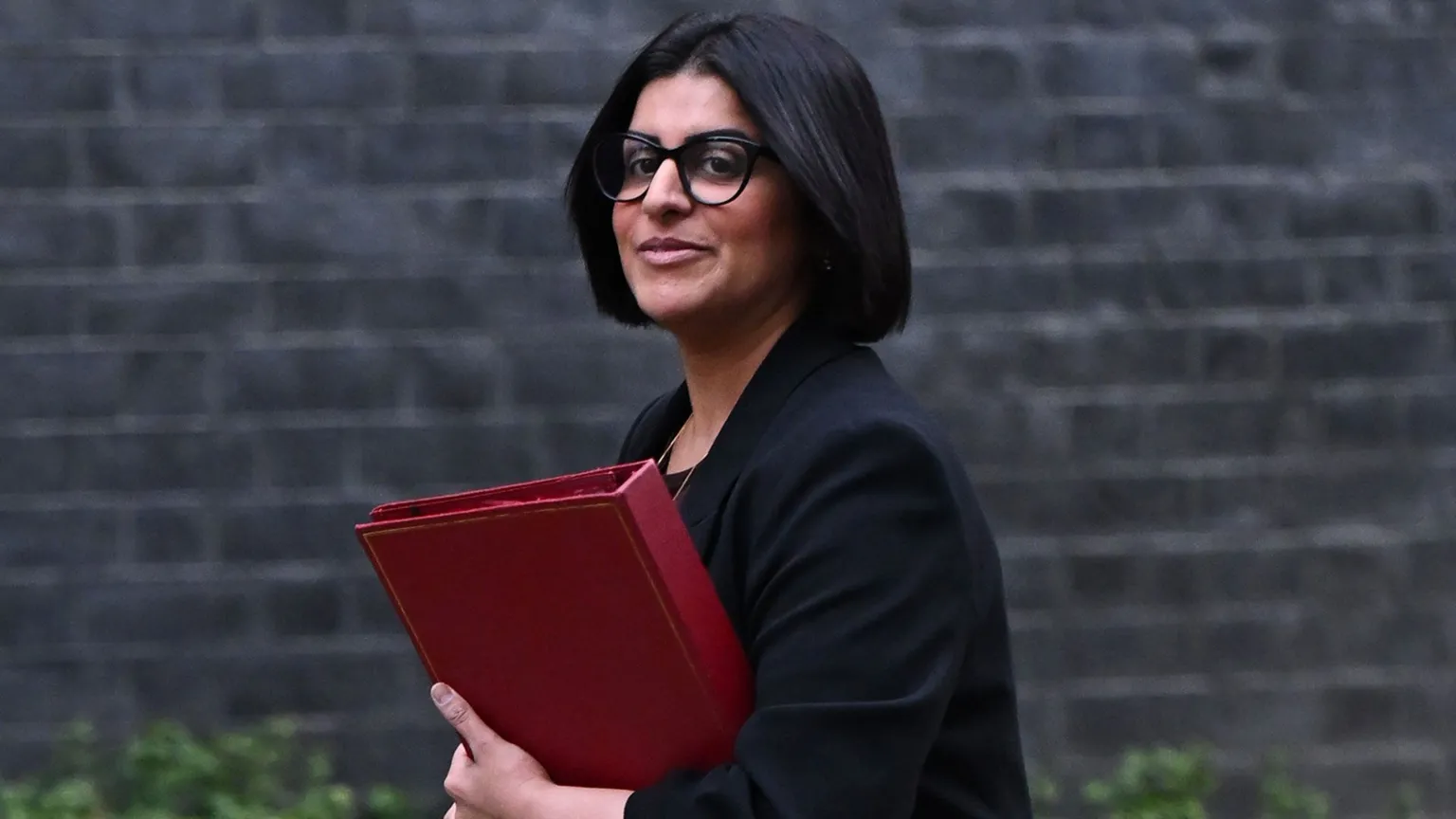
The agreement comes about a month after the UK Home Secretary, Shabana Mahmood, warned that countries refusing to cooperate on migrant returns would face penalties, including restrictions on visa issuance. Following the breakthrough, Mahmood said the UK had now secured commitments from all three countries to improve cooperation on removals.
“My message is clear: if foreign governments refuse to accept the return of their citizens, then they will face consequences,” the Home Secretary said. “Illegal migrants and dangerous criminals will now be removed and deported back to Angola, Namibia and the Democratic Republic of Congo.”
The Home Office had previously accused the three countries of frustrating deportations by delaying paperwork or requiring migrants to sign their own travel documents, effectively giving them veto power over removals. UK authorities described the situation as an “unacceptably poor and obstructive” returns process.
Under the government’s new approach, countries with high numbers of asylum claims and poor cooperation on returns risk facing an “emergency brake” on visas until they agree to take back their nationals who are in the UK illegally.
The government estimates that more than 3,000 people from Angola, Namibia and the DRC could now be eligible for removal or deportation as a result of the agreements.
Mahmood reiterated that cooperation on returns is central to the government’s efforts to restore control over the UK’s borders, warning that countries refusing to engage with the policy should not expect normal visa relations with the UK.
Officials indicated that other countries, including India, Pakistan, Nigeria, Bangladesh, Somalia and Gabon, are also considered resistant to returns agreements and could face similar sanctions if cooperation does not improve.
The development marks a significant escalation in the UK’s use of diplomatic pressure to enforce its migration and deportation policies, as the government continues to tighten its asylum and border control measures.
