

By Peter Omopo
China has lifted sanctions imposed on six serving members of the British Parliament following high-level talks between Prime Minister Sir Keir Starmer and Chinese President Xi Jinping, in a move seen as part of efforts to reset relations between the two countries.
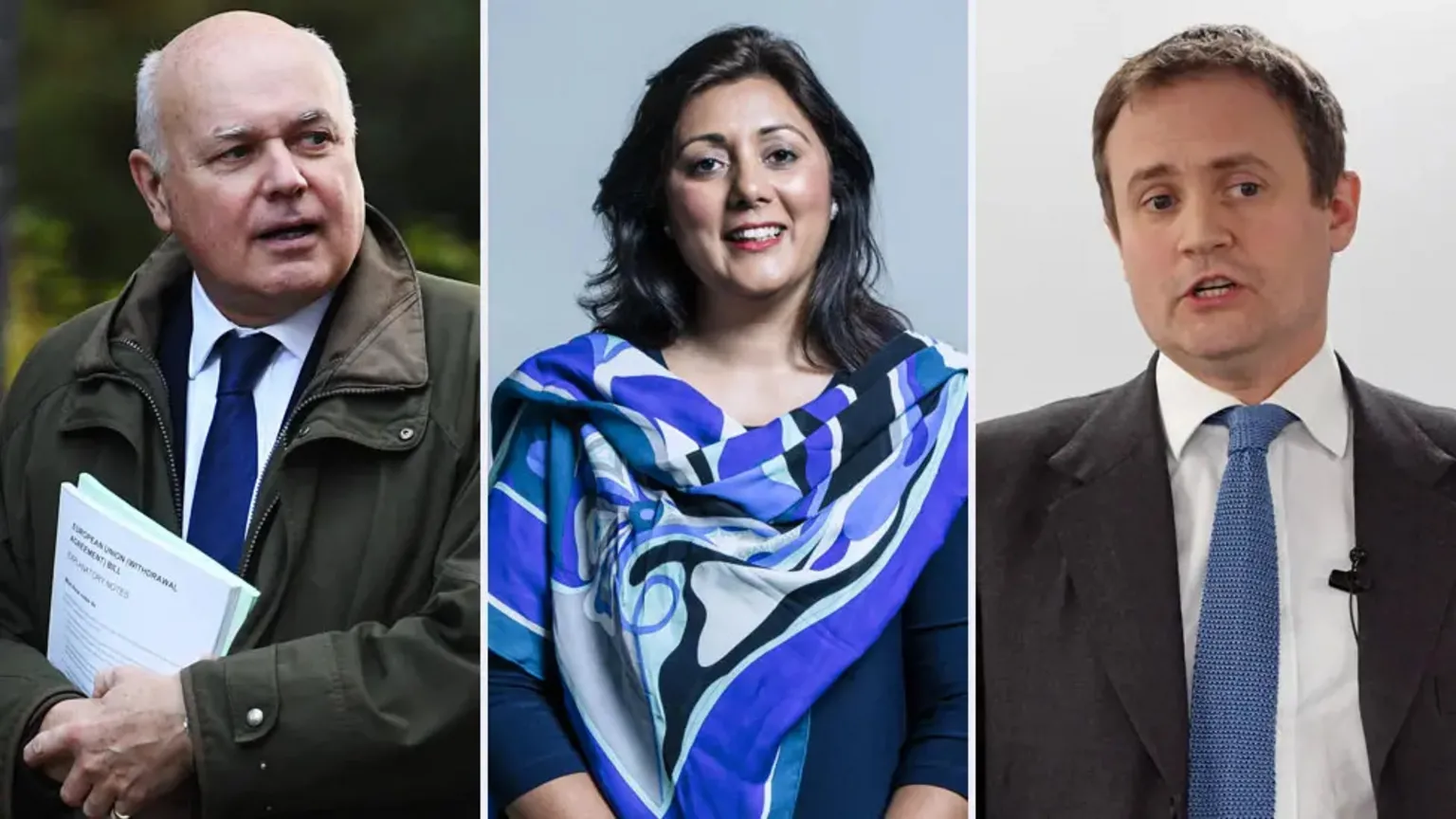
Speaking to the BBC in Shanghai, Sir Keir confirmed that Beijing had removed all restrictions, including travel bans and other punitive measures, placed on the lawmakers. Those affected include four Conservative MPs and two members of the House of Lords who were sanctioned by China in 2021 over their criticism of Beijing’s human rights record.
The prime minister said the decision “vindicated” his approach of engagement with China, arguing that dialogue was the only effective way to raise sensitive issues. He added that he hoped President Xi would visit the UK when it hosts the G20 summit in 2027.
China’s foreign ministry said both countries had agreed in principle to resume normal exchanges between their legislatures, adding that Beijing welcomed British parliamentarians willing to visit China and “experience the real China”.
However, the six parliamentarians said they “take no comfort” from the lifting of sanctions, describing the move as selective and unjust. In a joint statement, they noted that others remain under Chinese sanctions and warned that preferential treatment for sitting MPs and peers sends a damaging signal.
“Parliament exists to represent and defend the people of the United Kingdom,” the lawmakers said, insisting they would not be silenced and calling for assurances that UK sanctions against Chinese officials accused of human rights abuses remain in place.
China imposed the sanctions in 2021 on several UK politicians and public figures, banning them from entering mainland China, Hong Kong and Macau, freezing any assets held there, and barring Chinese entities from doing business with them. Those targeted included vocal critics of Beijing’s policies in Xinjiang, where China has been accused of crimes against humanity against the Uyghur population—allegations the Chinese government strongly denies.
Downing Street described the lifting of the sanctions as a clear diplomatic gain from Sir Keir’s three-day visit to China, the first by a British prime minister since 2018. During the trip, the UK and China also reached agreements on trade and cooperation, including a deal to halve import tariffs on British whisky from next week and measures to improve cooperation on organised crime, illegal migration and public health challenges.
Sir Keir said discussions were ongoing over visa-free travel arrangements for British citizens visiting China, though no start date has yet been agreed.
The visit has drawn criticism at home, with Conservative leader Kemi Badenoch accusing the prime minister of going to China “from a position of weakness” and gaining little in return. Reform UK leader Nigel Farage called on the government to halt trade deals with China until pro-democracy activist Jimmy Lai, a British citizen, is released from prison.
Sir Keir rejected claims that engaging with China was dangerous, saying it would be “foolhardy” to refuse dialogue with the world’s second-largest economy. He also downplayed criticism from former US President Donald Trump, who warned against closer ties with China, suggesting the remarks were aimed more at Canada than the UK.
The prime minister said UK–China relations were now in a “good, strong place” following his talks with President Xi in Beijing, adding that engagement had allowed both sides to address difficult issues directly.
Sir Keir arrived in Shanghai on Friday, the final stop of his China visit, before travelling to Tokyo for talks with Japan’s leadership.
