

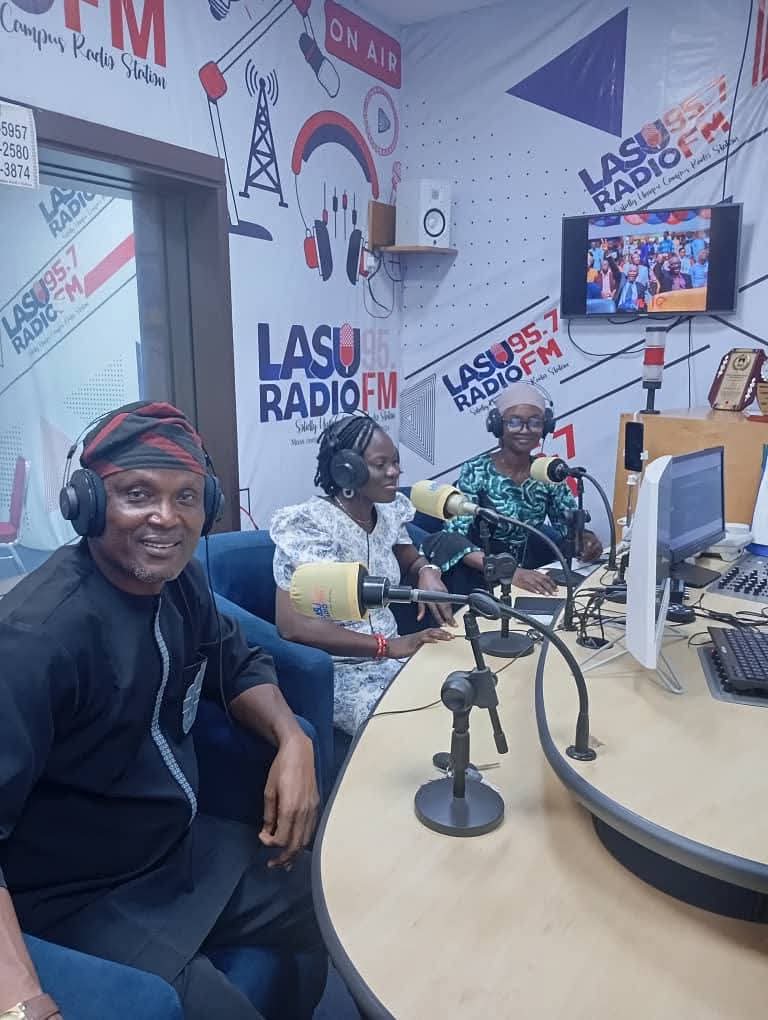
The airwaves of Lagos State University did more than carry voices in July; they carried ideas. Every Tuesday, from 2:30 p.m. to 3:00 p.m., AJAKAYE STRIDA LITERARY LIMELIGHT on LASU Radio 95.7 FM transformed the radio space into a vibrant intellectual forum where literature encountered leadership, education confronted technology, creativity met experience, and emerging voices found room to be heard.
Across the month, the programme demonstrated that literary broadcasting can extend far beyond the conventional discussion of books and literary texts. Through four engaging editions, AJAKAYE STRIDA LITERARY LIMELIGHT explored leadership and humility, education beyond the classroom, the digital divide in Nigeria, and the continuing relevance of writing in a visually dominated world. Each conversation opened a different window into contemporary life, yet all converged on one fundamental question: how can knowledge, literature and creativity equip individuals to understand their world and participate meaningfully in shaping it?
The month opened with an intellectually stimulating conversation on leadership qualities and uncommon figures of speech, featuring Toba Dosunmu as guest speaker. The discussion challenged the familiar perception of leadership as simply the possession of authority or influence. Instead, it foregrounded leadership as a responsibility grounded in humility, respect, recognition and an appreciation of the contributions of others. Dosunmu’s practical reflections offered listeners an important reminder that prominence should not eliminate humility. A leader’s stature, the discussion suggested, is not measured merely by how many people recognise the leader, but also by the leader’s ability to recognise and value others. In this regard, the programme positioned leadership as an ethical and relational practice—one in which influence is strengthened, rather than diminished, by humility. The intellectual conversation was complemented by an engaging spoken-word performance from Bright Speaks. His creativity, confidence and compelling delivery demonstrated the capacity of spoken-word poetry to transform ideas into memorable artistic experiences. His performance also reinforced one of the defining features of the programme: the deliberate creation of space for young creative voices to express themselves before a wider audience.
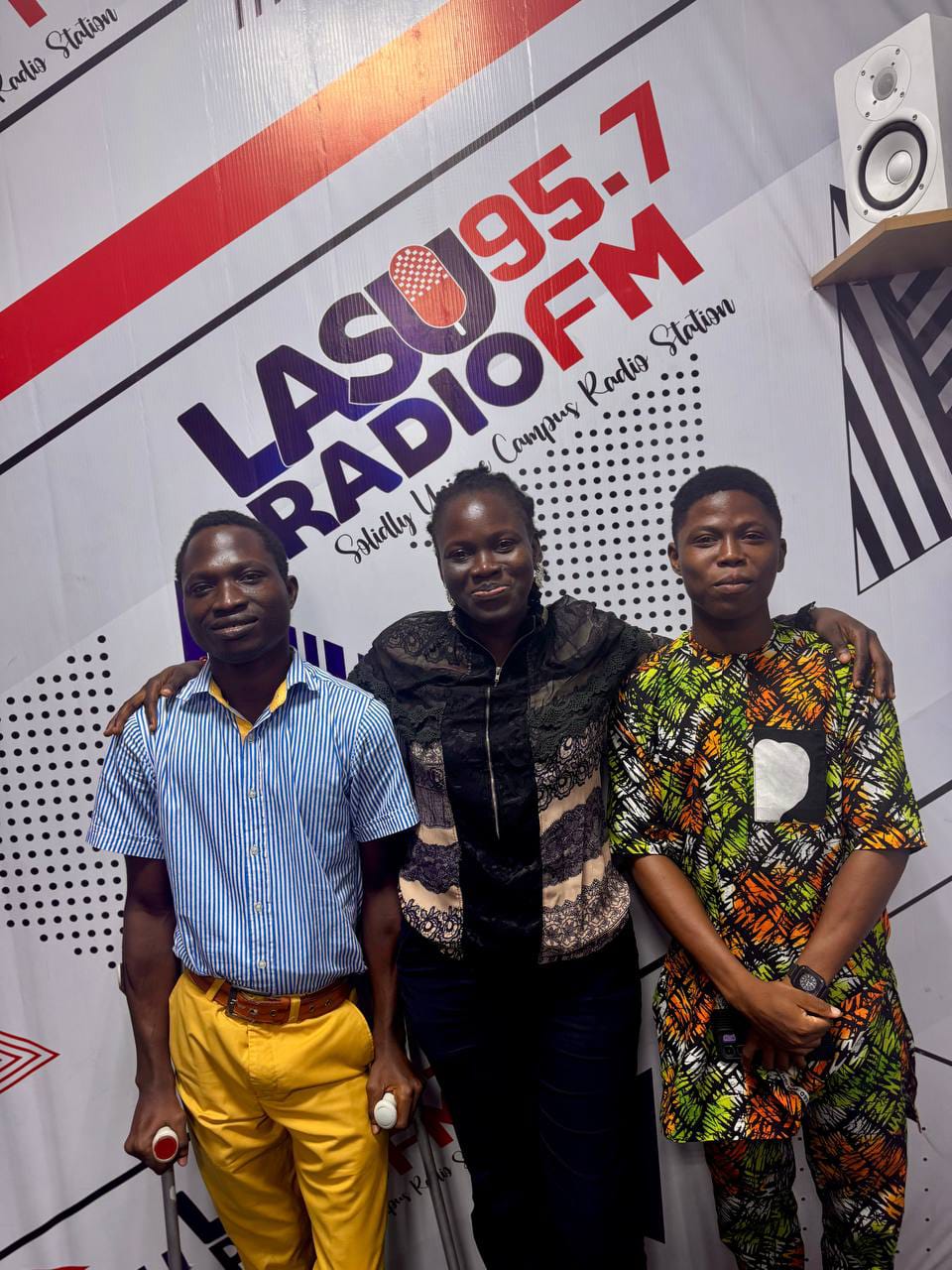
The programme subsequently turned its attention to the meaning of education itself. On 7 July 2026, the theme “Education Beyond the Classroom: Learning Through Creativity and Stage Performance” provided the framework for a compelling examination of experiential learning. The edition questioned the tendency to confine education to lecture halls, textbooks and formal instructional encounters. Drawing from his experience at the Stage Exhibition, Kareem Abayomi offered reflections on how presenting articles, dramatizing plays, storytelling and spoken-word performances can become meaningful educational experiences. His account demonstrated that creative participation can cultivate competencies that are not always fully developed through conventional classroom instruction. Confidence, communication, leadership, teamwork, creativity and public-speaking skills emerged as important outcomes of learning through performance and practical engagement. A spoken-word presentation by Vincent further enriched the edition, providing an artistic demonstration of the very principle under discussion: that learning can become more powerful when knowledge is experienced, performed and communicated creatively. The conversation therefore advanced an important educational argument — education does not end where the classroom ends. For students preparing to navigate an increasingly complex professional and social environment, opportunities to create, perform, collaborate and communicate can be as consequential as the acquisition of theoretical knowledge.
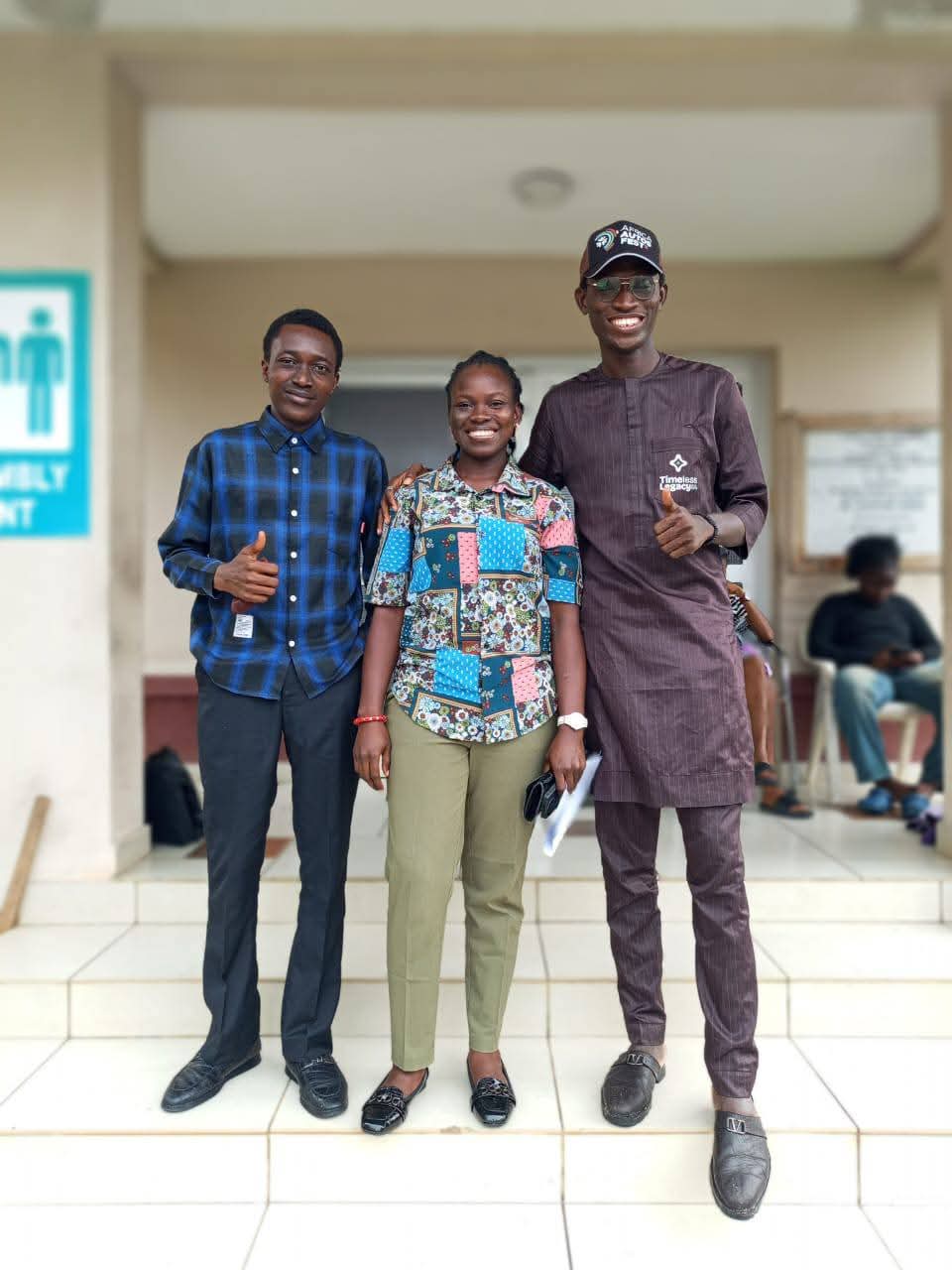
If the first half of the month interrogated leadership and the nature of learning, the 14 July 2026 edition confronted one of the defining realities of twenty-first-century education: technology is expanding rapidly, but access to its benefits remains uneven. Under the theme “The Digital Divide and the Future of Education in Nigeria,” the programme featured Dr Olukayode Aiyeniko, whose discussion examined the consequences of unequal access to digital technologies for education, research and national development. The conversation moved beyond the simple question of whether technology is available. It considered the deeper implications of unequal digital access and the ways in which technological disparities can shape educational opportunities. It also emphasised the importance of responsible use of digital tools in reading, writing and academic research. This dimension of the discussion was particularly relevant to contemporary learners, whose educational experiences are increasingly intertwined with digital platforms and tools. The edition consequently encouraged a balanced perspective: technological advancement presents enormous possibilities, but those possibilities can only become genuinely transformative when access is equitable and digital resources are used responsibly. Adding a literary and commemorative dimension to the conversation was Aishat Writes, whose spoken-word performance, “The Laureate’s Legacy,” paid tribute to Professor Wole Soyinka on his 92nd birthday. The poem celebrated Soyinka’s enduring contributions to literature, justice and humanity. The performance created an interesting intersection between technology and literary heritage. While the discussion examined the future of education in a digital age, the poem reminded listeners of the enduring intellectual and cultural value of literature. Together, they illustrated that technological innovation and literary tradition need not exist in opposition; digital spaces can equally become avenues through which literary legacies are preserved, encountered and transmitted to new generations.
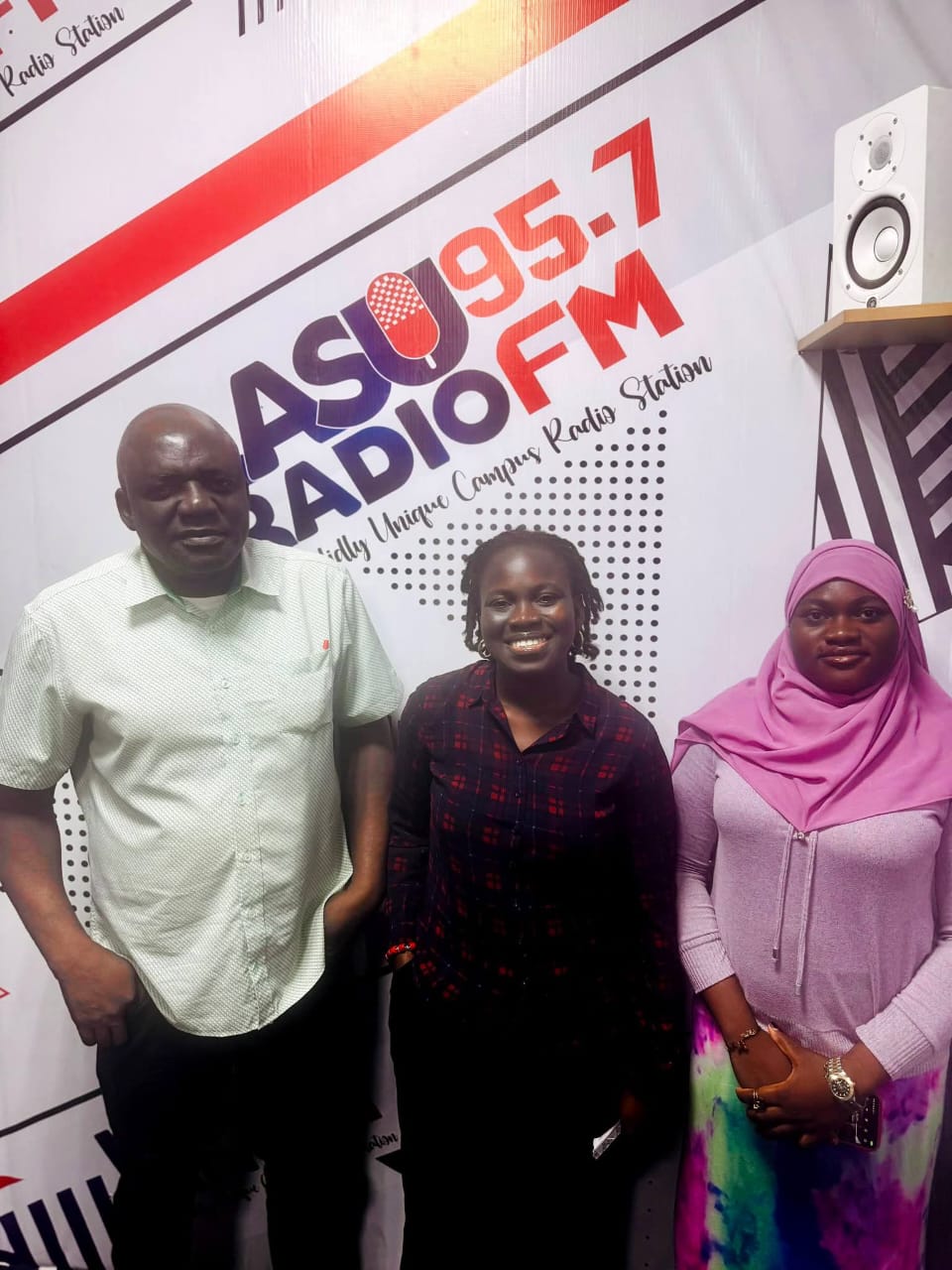
The month reached another significant intellectual point with the discussion of “The Role of Writing in a Visual-Dominated World.” At a time when images, videos, short-form content and visually driven social media increasingly influence communication, the programme invited listeners to reconsider the place of writing within this changing media landscape. The guest speaker, Mr Charles Ideho, brought an unusual breadth of professional experience to the conversation. A journalist, broadcaster, media executive, poet, author and Head of Station at Jordan 105.5 FM, Lagos, Ideho offered perspectives shaped by his engagement with both written and broadcast communication. The edition was made even more significant by the longstanding mentorship relationship between Ideho and the programme’s host, Ajakaye Rashidat Olamide. For approximately a decade, his guidance and encouragement have contributed to her development in broadcasting and literature. A particularly significant moment in that journey occurred in 2019, when he gave her an opportunity to present her poem on Jordan 105.5 FM — an experience that became an important milestone in her broadcasting career. That history of mentorship gave the discussion a dimension beyond professional conversation. It illustrated, in practical terms, how opportunities extended by established professionals can shape the trajectories of emerging talents. It also embodied the very culture of knowledge transfer and mentorship that AJAKAYE STRIDA LITERARY LIMELIGHT seeks to promote.
The edition further provided a platform for another emerging voice, Onyedika Favour, who delivered the spoken-word piece “Who Cursed This Mother?” Her performance combined linguistic command, confidence and emotional depth, demonstrating the expressive possibilities of spoken-word poetry. Her performance also received notable recognition from Ideho, who identified qualities in her that could support her development as a broadcaster. Such moments capture an important dimension of the programme: it does not merely discuss creativity; it creates opportunities for creativity to be seen, heard and recognised. Taken together, the July editions revealed a programme operating at the intersection of literary education, creative expression, leadership development, experiential learning, digital literacy and professional mentorship. What might initially appear to be four separate conversations were, in fact, connected by a broader commitment to human development. Leadership was examined through the lens of humility. Education was expanded beyond the classroom. Technology was interrogated through the question of equitable access and responsible use. Writing was defended and reconsidered in an age increasingly dominated by visual communication. Across these conversations, literature remained a connecting force—capable of questioning assumptions, preserving cultural and intellectual legacies, stimulating reflection and giving expression to experiences that might otherwise remain unheard.
The month also highlighted the importance of spoken-word poetry as a contemporary form of literary engagement. Through Bright Speaks, Vincent, Aishat Writes and Onyedika Favour, poetry repeatedly moved from the page to performance, demonstrating how literary expression can engage audiences through voice, emotion, rhythm and embodiment. More significantly, the July experience reinforced the potential of radio as an educational space. The programme’s interactive format allowed listeners not merely to receive information but to participate in conversations, respond to questions and contribute their perspectives. In this way, the radio studio became a meeting point for scholars, professionals, students, writers, performers and members of the listening public. In an era when attention is increasingly fragmented across multiple digital and visual platforms, AJAKAYE STRIDA LITERARY LIMELIGHT is carving out a distinctive space for sustained intellectual conversation. Its significance lies not simply in the number of topics discussed, but in its deliberate effort to make literature relevant to the realities of contemporary life.
July, therefore, was not merely another month on the programme’s calendar. It was a month in which the airwaves became a classroom, the microphone became a forum, poetry became a bridge, and literary conversation became a means of engaging questions that matter. As AJAKAYE STRIDA LITERARY LIMELIGHT continues its journey on LASU Radio 95.7 FM, it remains committed to its guiding vision of “guiding you to striking confidence in academic and creative writing.”With every edition, the programme continues to amplify emerging voices, encourage critical thought, connect generations of knowledge, and demonstrate that literature remains not an isolated academic discipline, but a living force capable of engaging education, technology, leadership, culture and society.
© Abiodun Moshood Olowokogbajo
