

By Peter Omopo
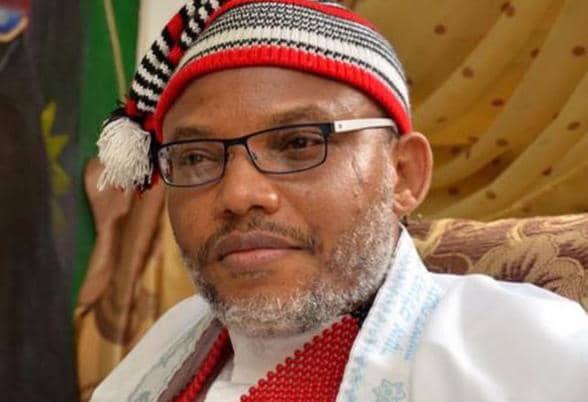
A confrontation looms between the Nigeria Police Force and human rights activists as plans intensify for a nationwide protest demanding the release of detained Indigenous People of Biafra (IPOB) leader, Nnamdi Kanu, despite a subsisting court order restraining such demonstrations.
The protest, organised by Omoyele Sowore, convener of the #RevolutionNow movement, alongside a coalition of civil society organisations, is slated for Monday, October 20, across major cities.
However, the Inspector-General of Police (IGP), Kayode Egbetokun, has directed officers nationwide to enforce the Federal High Court order barring the protest, warning that any breach of peace will be met with firm resistance.
In a statement issued on Saturday by the Force Public Relations Officer, ACP Benjamin Hundeyin, the police said all Commissioners of Police, particularly in the Federal Capital Territory (FCT), had been placed on high alert to ensure “visible deployments across strategic locations” in Abuja and other states.
“The Nigeria Police Force recognises and respects the rights of citizens to peaceful assembly,” the statement read. “However, such rights must be exercised responsibly and within the limits of the law, especially when public safety and national security are at stake.”
Hundeyin added that the Force would ensure free flow of traffic, protection of lives and property, and security of law-abiding citizens during the period, warning that those using the protest “as a cover for violence or vandalism” would face decisive action.
Court Order and Defiance
On Friday, the Federal High Court in Abuja, presided over by Justice M. G. Umar, granted an interim injunction restraining Sowore, the Take It Back Movement, the #RevolutionNow group, and “persons unknown” from organising or participating in the #FreeNnamdiKanu protest within the FCT.
The order followed an ex parte motion filed by the Federal Government through the Nigeria Police Force.
But in a swift response, Sowore dismissed the injunction, describing it as a “purported order obtained in chambers” that cannot override citizens’ constitutional right to peaceful protest.
“The Federal High Court in Abuja has not stopped the #FreeNnamdiKanuNow protest slated for Monday,” Sowore wrote on X (formerly Twitter). “What exists is a secret order by police lawyers asking that protesters not gather at Aso Rock Villa, National Assembly, Eagle Square, or Shehu Shagari Way.”
He insisted that the protest would proceed as planned, calling it a “sacrosanct date for freedom and justice.”
In an interview with Sunday PUNCH, Sowore reiterated that there was “no valid court order” against the protest.
“It’s false. The police have no such order. They couldn’t produce it. What they have is a so-called protective order for certain areas, but nothing that stops citizens from protesting,” he said.
Activists Mobilise Nationwide
The Director of Mobilisation for the movement, Damilare Adenola, confirmed that mobilisation had been ongoing across markets, motor parks, and campuses for over a week.
“Millions of Nigerians will march in Abuja and other cities. We are not deterred by intimidation,” he said.
Adenola argued that the continued detention of Nnamdi Kanu violated Section 36 of the 1999 Constitution, which guarantees the right to a fair and speedy trial.
“If the state has no case against him, they should release him. Keeping him in detention is unconstitutional,” he said.
Similarly, Prince Nze, Executive Director of Human Rights & Justice, described the injunction as an attempt to suppress citizens’ democratic rights.
“If the government can pardon terrorists and criminals, there’s no reason Nnamdi Kanu should remain in detention. His ordeal is politically motivated,” Nze stated.
Hassan Taiwo, spokesperson for the Youth Rights Campaign, condemned the government’s reaction to the planned protest.
“Even though we don’t support IPOB’s methods, the demand for Kanu’s release stems from legitimate grievances about injustice and marginalisation. The Tinubu government’s panic over a peaceful protest shows insecurity and fear,” he said.
Abiodun Bamigboye, Secretary of the Joint Action Front (JAF), also faulted the government’s stance, saying no court had the authority to bar citizens from peaceful assembly.
“The same government that frees looters and bandits cannot justify keeping Kanu in detention. The protest will also highlight economic hardship and social inequality,” he said.
Background: Kanu’s Long Detention
Nnamdi Kanu, IPOB’s leader, has been in the custody of the Department of State Services (DSS) since June 2021, facing seven counts of terrorism and treasonable felony.
He was initially arrested in 2015, granted bail in 2017, but fled Nigeria following a military invasion of his home in Abia State.
Despite multiple court rulings ordering his release, the Federal Government has refused to comply, sparking local and international condemnation.
As tensions rise ahead of Monday’s demonstration, observers warn that the standoff between activists and security agencies could test Nigeria’s commitment to democratic freedoms and human rights protections under the Tinubu administration.
