

By Peter Omopo
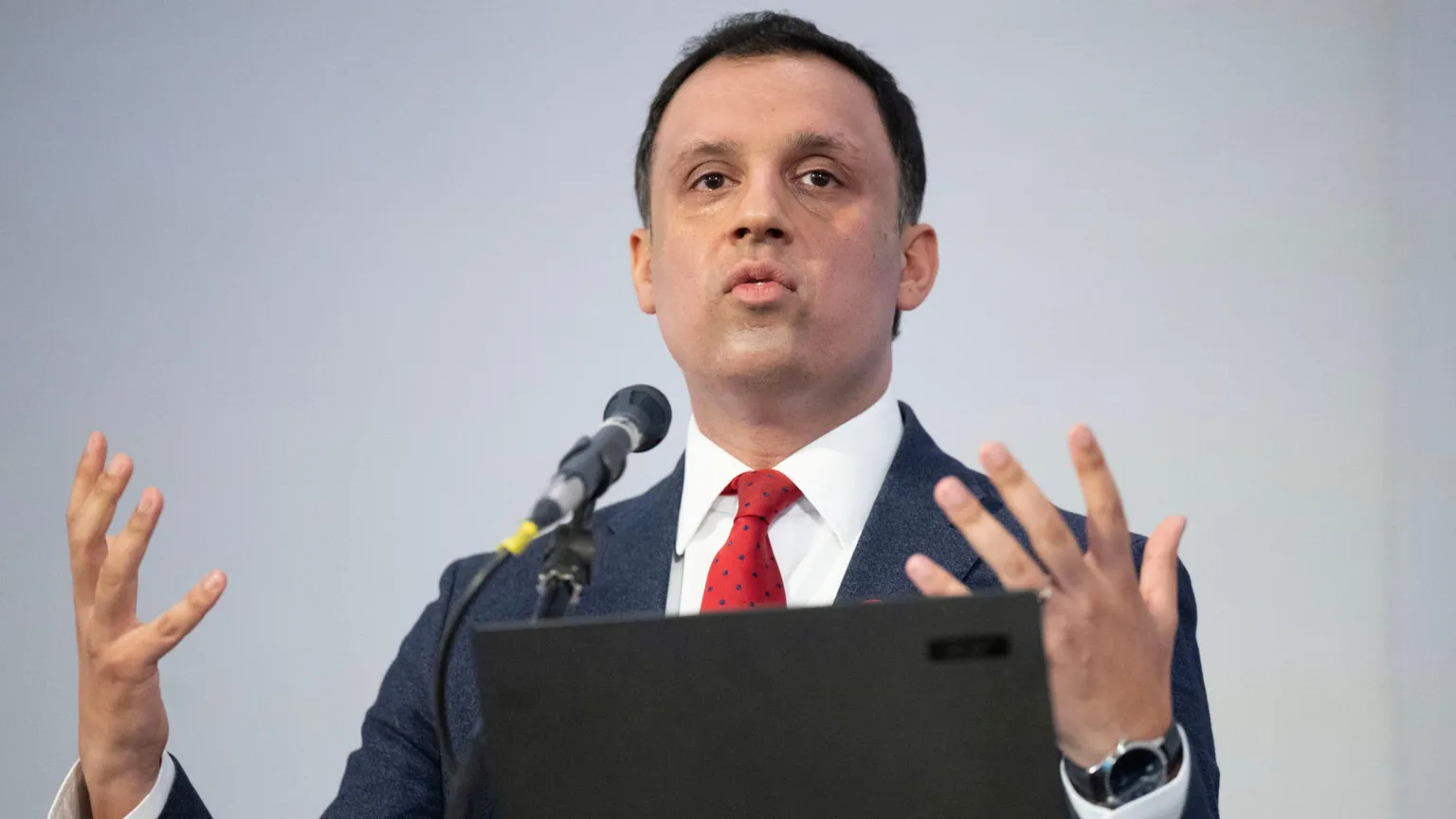
Scottish Labour leader Anas Sarwar has called on Prime Minister Sir Keir Starmer to step down, saying the leadership of the Labour government “has to change” amid growing political turmoil in Westminster.
Speaking at a press conference on Monday, Sarwar acknowledged that the Labour government had recorded “many achievements” since coming to power but argued that voters were unable to recognise them because the leadership in Downing Street had become “a huge distraction.” He said the decision to speak out was “not easy and not without pain,” describing Sir Keir as a “decent man,” but stressed that his “first loyalty” was to Scotland.
In response, Downing Street said the prime minister has “a clear five-year mandate from the British people to deliver change” and intends to continue in office. Sir Keir’s official spokesman denied reports that the prime minister was wavering over his future and said he retained the unanimous support of the Cabinet. Asked directly whether Sir Keir would resign, the spokesman replied: “No.”
The call for Sir Keir’s resignation comes as the prime minister faces intense pressure following controversy over the appointment and subsequent dismissal of former Labour minister Lord Peter Mandelson as UK ambassador to the United States. Sir Keir sacked Lord Mandelson in September after documents emerged suggesting a close relationship between the disgraced financier Jeffrey Epstein and the former minister. The prime minister has maintained that he was misled about the extent of that relationship and has apologised to Epstein’s victims for the decision to appoint him.
The crisis has been compounded by a series of senior resignations within Downing Street. On Monday, Tim Allan became the fourth communications chief to leave No 10 in less than a year, saying he was stepping aside to allow a new team to be built. His departure follows the resignation on Sunday of Morgan McSweeney, the prime minister’s chief of staff, who said he took “full responsibility” for advising Sir Keir to appoint Lord Mandelson.
McSweeney’s exit was widely seen as a significant blow to Sir Keir, given their long working relationship dating back to the prime minister’s campaign for the Labour leadership. Allan’s departure after just five months in the role has further fuelled concerns among Labour MPs about instability at the heart of government.
Opposition figures have seized on the developments. Conservative leader Kemi Badenoch described the resignations as “yet another sign that Keir Starmer has lost control of his government,” saying the prime minister was “in office but not in power.” SNP leader John Swinney also criticised Sir Keir, accusing him of “appalling judgment” and describing his position as one of “complete weakness.”
Criticism has also emerged from within Labour ranks. Norwich South MP Clive Lewis said the problems went beyond individual resignations, pointing instead to what he described as a political culture that prioritised proximity to wealth and power. Andy McDonald, another Labour MP from the left of the party, warned that unless the prime minister fully acknowledged his mistakes and outlined a clear plan to address them, his leadership could end “in the weeks and months ahead.”
Despite the criticism, some senior Labour figures have rallied behind Sir Keir. Baroness Smith of Malvern said the prime minister had accepted responsibility for the Mandelson appointment and was focused on tightening vetting and lobbying rules. Dame Emily Thornberry described Sir Keir as a “good leader” but said he needed to provide clearer leadership as the party sought to reset.
Sir Keir is expected to address Labour backbenchers at a meeting of the Parliamentary Labour Party later on Monday, where he is expected to reiterate his frustration over the Mandelson affair and outline proposed reforms to the appointments process. His team is already working on measures to strengthen vetting procedures as the prime minister seeks to stabilise his leadership and restore confidence within his party.
