

By Peter Omopo
The Scottish Government has unveiled its 2026–27 Budget, outlining income tax adjustments, the introduction of a mansion tax on high-value properties and new levies aimed at boosting funding for public services ahead of the Holyrood elections in May.
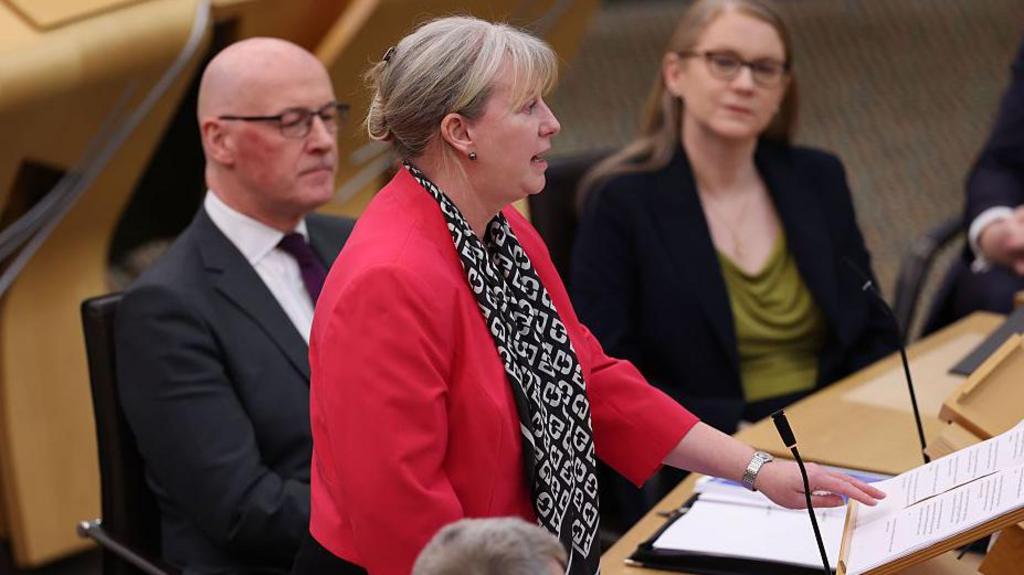
Presenting the Budget at the Scottish Parliament on Tuesday, Finance Secretary Shona Robison said the spending plans, totalling about £68bn, were designed to strengthen the NHS, invest in infrastructure and provide targeted support to households facing cost-of-living pressures.
Under the proposals, two of Scotland’s six income tax bands will see their thresholds increased by 7.4 per cent, a move the government says will leave around 55 per cent of Scottish workers paying less income tax than they would elsewhere in the UK. However, thresholds for higher earners will remain frozen, meaning those earning above £43,663 will continue to pay a higher rate of tax.
Robison also announced plans to introduce a mansion tax on properties valued at more than £1m by April 2028, alongside a new private jet tax. The measures, similar to proposals previously discussed in England, are intended to increase revenues from wealthier individuals and assets.
Defending the tax changes, Robison rejected claims that the measures were politically motivated ahead of the election, insisting they reflected public feedback and a commitment to protecting public services. She also pointed to progress on child poverty, noting that Scotland is the only part of the UK where rates are falling, supported by welfare measures such as increases to the Scottish Child Payment.
The Budget includes additional funding for education, with £57m allocated to support pupils with additional learning needs, and a commitment to expand breakfast clubs to every primary school from next year. In healthcare, £36m has been set aside to begin rolling out walk-in GP clinics, although uncertainty remains over the future of some delayed NHS treatment centres.
Reaction to the Budget has been mixed. Poverty charities welcomed increased support for families but said the measures did not go far enough to address deep-rooted financial hardship. Business groups, including the Federation of Small Businesses, criticised the proposals as insufficient to shield small firms from rising costs and tax pressures.
Opposition parties were also critical. Conservatives described the Budget as predictable and overly reliant on tax rises, while Labour argued it fell short of meeting Scotland’s long-term aspirations.
The Budget marks the final spending plan of the current SNP-led administration before voters go to the polls in May, setting the tone for a campaign likely to focus on public services, taxation and economic management.
