

By Peter Omopo | September 17, 2025
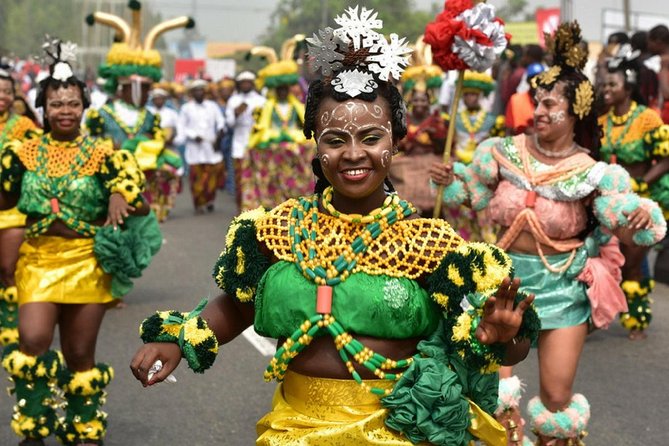
The Chairman of Carnival Calabar Commission, Gabe Onah, has called for increased private sector participation to secure the future of Africa’s biggest street party, warning that overdependence on government funding is unsustainable.
Onah made the appeal on Tuesday during the 21st Akwaaba African Travel Market in Lagos, where he highlighted the carnival’s impact on tourism and economic development in Cross River State.
“Carnival Calabar must breathe beyond the stranglehold of government. For sustainability, the private sector has to take more than a passing interest,” he said.
Now in its 20th year, the carnival has survived through the support of successive governors, from Donald Duke and Liyel Imoke to Ben Ayade and the current governor, Bassey Otu. But Onah stressed that the hospitality of Calabar’s people and the city’s natural assets — from mountains and vegetation to waterfronts — remain central to its global appeal.
He also urged stakeholders in the travel and tourism sector to embrace collaboration rather than competition, noting that Akwaaba had successfully provided such a platform for Nigeria and the region. “In tourism, partners must collaborate, not compete,” he said.
Looking ahead, Onah outlined emerging trends shaping global tourism, including digital innovation, artificial intelligence in promotion, and the rising influence of families in travel decisions. He revealed that Calabar had upgraded its children’s carnival to a junior carnival in line with these shifts, while demand for cultural memorabilia and takeaways continues to grow among visitors.
Figures released earlier this year by the Cross River State Tourism Bureau underscored the festival’s economic importance. The 2024 edition attracted more than 300,000 tourists and 450,000 on-site spectators, while over 1.2 billion viewers watched globally through DSTV and streaming platforms. The carnival generated billions in revenue, including ₦2.79 billion from hotel bookings, ₦900 million from food sales, and nearly ₦1 billion from ancillary services such as car rentals and streaming.
Despite its success, Onah maintained that only deeper private sector involvement could guarantee Carnival Calabar’s long-term growth. “The smiles of our people, the restfulness of our city, and the natural blessings that define Calabar will continue to attract the world,” he said, “but the festival’s future must be secured by investment that goes beyond government.”
