

By Peter Omopo
LIMA, PERU — Peru’s political crisis deepened on Friday as lawmakers voted overwhelmingly to impeach President Dina Boluarte, ending her turbulent tenure marked by nationwide protests, corruption allegations, and surging gang violence.
Boluarte, who came to power in December 2022 after the removal of former president Pedro Castillo, was ousted after she refused to appear before Congress during a late-night impeachment hearing. The session, which began on Thursday and ran into early Friday, concluded with 118 lawmakers voting in favour of her removal on grounds of “permanent moral incapacity.”
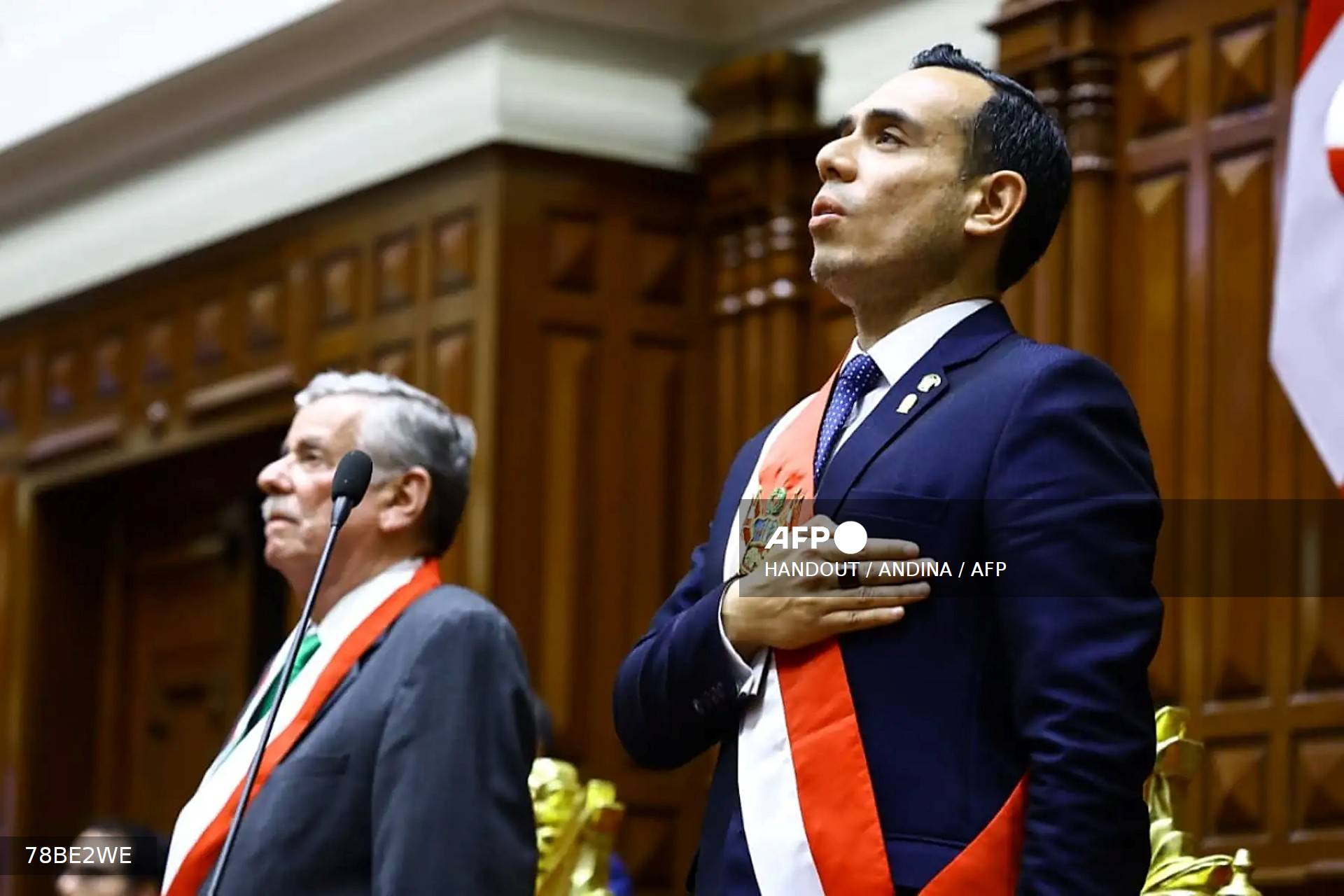
Announcing the outcome, Congress leader José Jeri declared the presidency vacant and was immediately sworn in as interim president, pledging to lead the country until new elections scheduled for April 2026.
“The president’s impeachment has been approved,” Jeri announced before taking the oath of office in Lima’s National Congress chamber.
A Presidency Marred by Crisis
Boluarte’s time in office was fraught with political unrest and public anger over her handling of anti-government demonstrations, alleged corruption, and an escalating crime wave. Her approval ratings had fallen sharply in recent months amid investigations into her conduct and mounting discontent over new economic reforms.
This marks the sixth presidential change in Peru in just nine years, underscoring the country’s persistent political instability.
Boluarte had survived multiple previous impeachment attempts, but this latest one gained traction as both opposition and former allies united against her. Lawmakers cited a pattern of misconduct, including her alleged failure to disclose expensive gifts — luxury watches and jewellery — in a scandal that became known as “Rolexgate.”
Public Discontent and Worsening Crime
The ousted president also drew criticism for approving a controversial law on September 5, 2025, requiring young workers to contribute to private pension funds, despite widespread job insecurity and an unofficial unemployment rate exceeding 70 per cent.
Protests over the policy quickly spread across the country, coinciding with a surge in gang violence, extortion, and organised crime that many Peruvians said the government had failed to curb.
Boluarte’s administration was also accused of mismanaging the security crisis, with homicide rates climbing and public trust in law enforcement reaching record lows.
A Nation in Political Flux
Boluarte, a former vice president under Castillo, rose to power after his failed attempt to dissolve Congress in 2022 triggered his impeachment and arrest. Her own presidency, however, was soon marred by violent protests that left at least 50 people dead, according to human rights groups.
Despite pledges to stabilise Peru’s democracy, her leadership became synonymous with authoritarian tendencies and lack of transparency, opposition lawmakers argued during the impeachment debate.
“This decision is not only about political accountability but about restoring moral integrity to the presidency,” one lawmaker said during the heated session.
What Comes Next
Following her removal, José Jeri, previously the President of Congress, assumed the presidency as stipulated by the constitution. In his inaugural speech, he vowed to restore stability, rebuild public trust, and strengthen democratic institutions.
International observers have expressed concern over Peru’s recurring leadership crises, warning that frequent impeachments risk undermining governance and investor confidence in the resource-rich Andean nation.
With elections set for April 2026, Peru now faces a critical period of transition, uncertainty, and deep social division, as citizens brace for yet another attempt to rebuild political stability in a country long plagued by corruption and unrest.
