

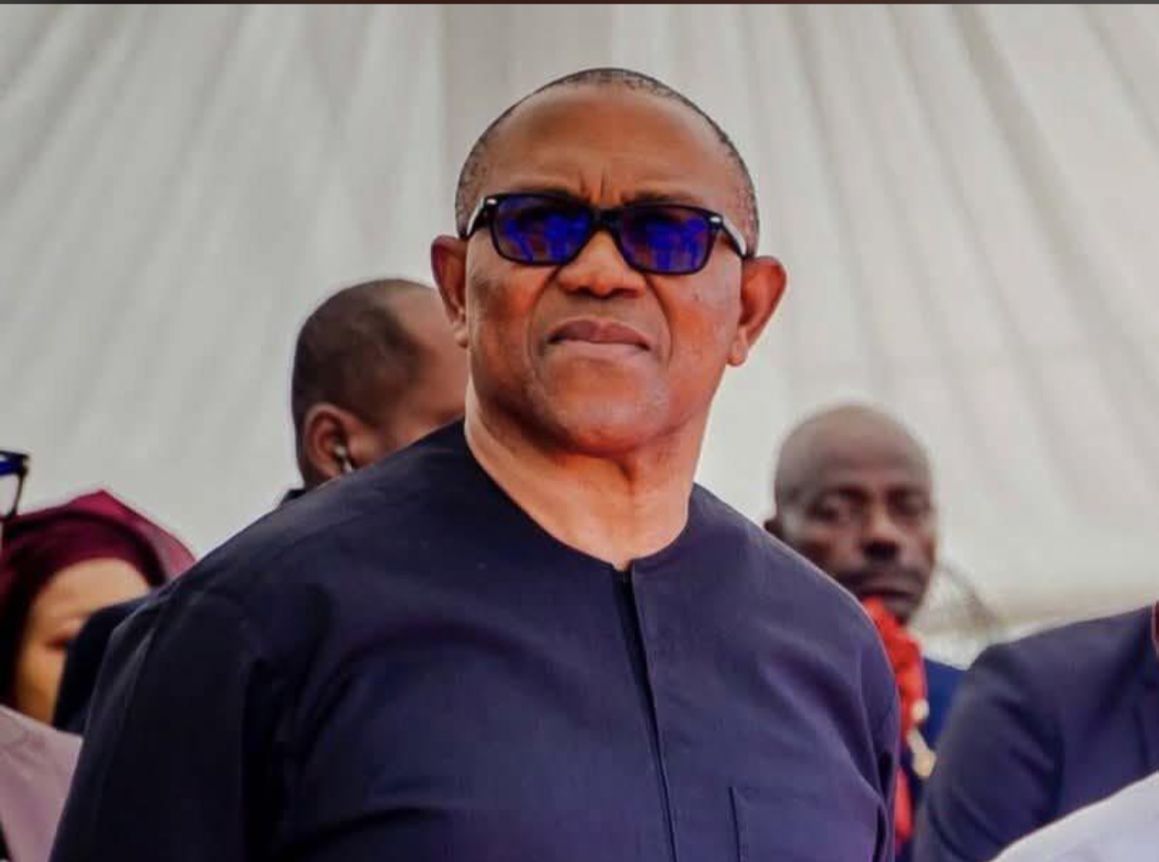
By Peter Omopo
Former Labour Party presidential candidate Peter Obi has said Nigeria’s rising debt is not the main problem, but how the country utilizes borrowed funds determines its economic outcomes.
In a post on his X account on Tuesday, Obi cited recent World Bank data showing that Nigeria has become the world’s third-largest debtor, with external obligations of about $18.7 billion, trailing Bangladesh at $23 billion.
“Borrowing is not inherently wrong. Nations borrow to improve productivity and stimulate growth. Debt becomes a problem only when it finances consumption, inefficiency, or corruption rather than investment, as is the case in Nigeria,” Obi said.
He compared Nigeria’s performance with Bangladesh’s economic trajectory, noting that in 2015, Bangladesh had a GDP of roughly $195 billion and per-capita income of about $1,235. By 2024–2025, the country’s GDP grew to $460–500 billion and per-capita income rose to $2,700, driven by investments in manufacturing, textiles, energy, and human capital.
“Nigeria, on the other hand, has seen its GDP fall from $490 billion in 2015 to below $250 billion today, with per-capita income dropping to $850–1,000. Factors include weak productivity growth, currency instability, structural inefficiencies, and corruption,” he said.
Obi emphasized that borrowing tied to infrastructure, industry, and human development fuels growth, while debt linked to consumption, leakages, and corruption deepens stagnation. He added that a “new Nigeria, where loans, if taken, translate into productivity instead of consumption, is very much possible.”
PUNCH Online had previously reported that Nigeria’s total public debt rose to N153.29 trillion as of September 30, 2025, reflecting a steady increase in both domestic and external obligations over three months, according to data from the Debt Management Office.
