

By Peter Omopo
As Nigeria celebrates its 65th Independence anniversary, leaders of the National Assembly, state governors, political groups, and citizens have called for unity, resilience, and renewed commitment to national progress.
The Federal Government had earlier declared October 1 a public holiday to mark the country’s independence from Britain in 1960.
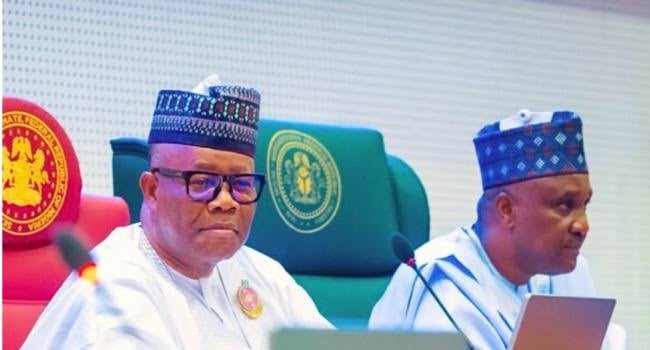
Senate President Godswill Akpabio urged Nigerians to remain hopeful despite ongoing economic challenges, noting that reforms introduced by President Bola Tinubu were beginning to yield results.
“At 65, we are mature and should be working for the unity of the nation and the prosperity of our people. We are not unaware of the pains occasioned by the reforms, but very soon, this will be a thing of the past,” Akpabio said. He cautioned against negative narratives about the country, insisting that Nigeria was “on the right pedestal” under the Renewed Hope Agenda.
Speaker of the House of Representatives, Tajudeen Abbas, also encouraged optimism. In a statement by his Chief Press Secretary, Leke Baiyewu, Abbas described Nigeria as “the giant of Africa,” assuring that the 10th National Assembly would deliver good governance and accountability.
Deputy Senate President Barau Jibrin said Nigeria would overcome its current challenges, urging support for the Tinubu administration’s policies.
However, former Vice President Atiku Abubakar faulted the APC-led government, citing worsening insecurity, unemployment, and economic hardship. In a statement by his media aide, Paul Ibe, Atiku said millions of Nigerians had been reduced to “refugees and beggars in their fatherland.” He called on citizens not to lose faith, stressing that the 2027 elections would provide an opportunity to “reject bad leadership and reclaim the promise of a better tomorrow.”
At the state level, Niger Governor Mohammed Bago urged Nigerians to recommit to patriotism and unity, while Delta Governor Sheriff Oborevwori highlighted investments in infrastructure, renewable energy, and foreign partnerships as part of his administration’s drive to improve living standards. Edo Deputy Governor Dennis Idahosa described October 1 as a reminder of the sacrifices of Nigeria’s founding fathers and a call to national duty.
Socio-political and religious groups also weighed in. Afenifere leader, Pa Reuben Fasoranti, expressed optimism that Nigeria would overcome its challenges through faith, resilience, and government reforms. The Taraba chapter of the Christian Association of Nigeria (CAN) called for sober reflection, stressing unity, peace, and justice.
Others, including Action Alliance chieftain Dr Johnson Chukwuka, urged Nigerians to see Independence Day as a call to action, while youth and civic groups in Kebbi and Kwara states marked the anniversary with modest celebrations and commitments to education.
Nigeria gained independence on October 1, 1960.
