

By Peter Omopo
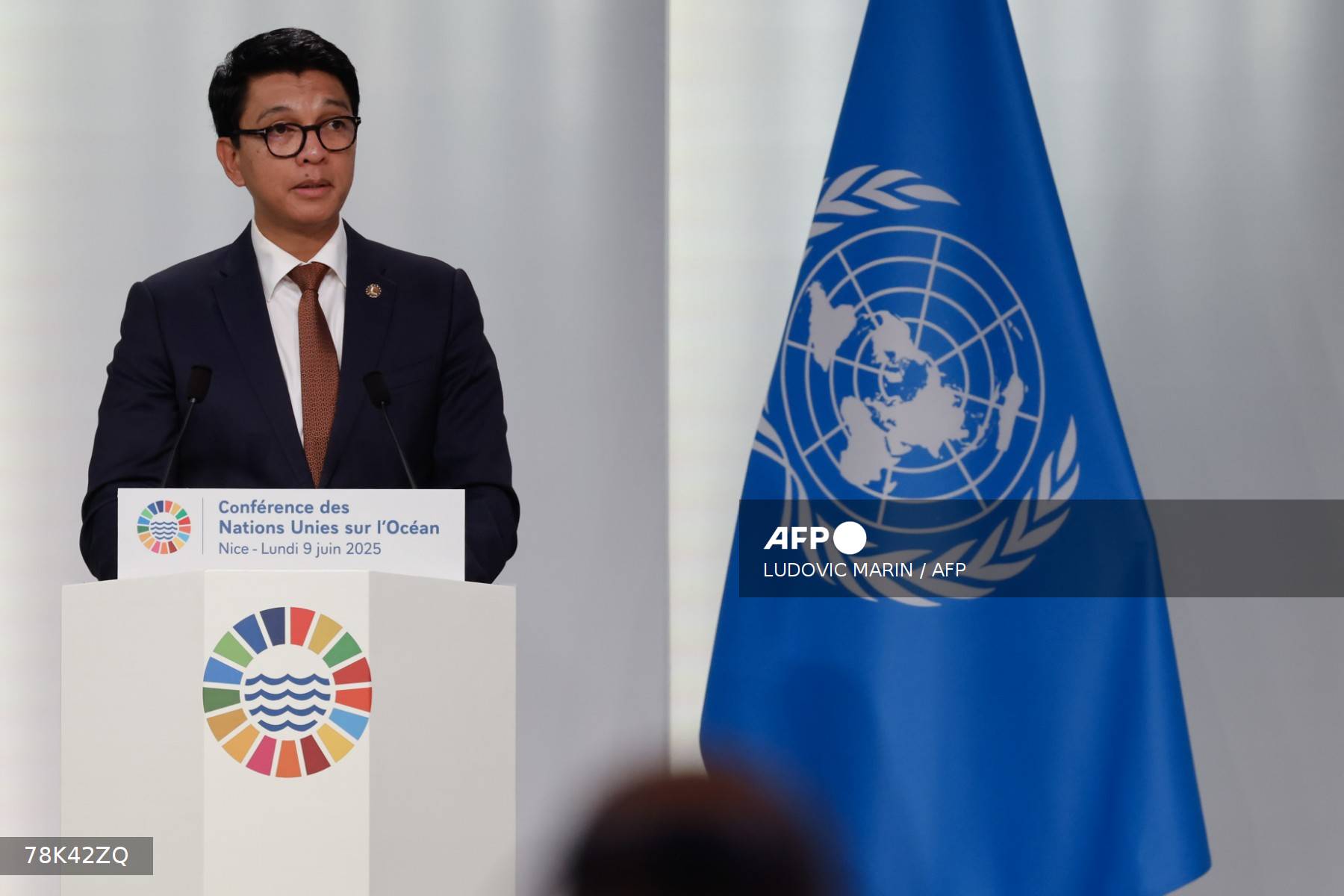
Antananarivo – Madagascar’s President Andry Rajoelina on Tuesday dissolved the national assembly, a move widely seen as an attempt to forestall an opposition-led impeachment vote and regain control amid escalating political turmoil and street protests rocking the island nation.
The decision, announced through a presidential decree broadcast on state media and shared on the presidency’s Facebook page, takes immediate effect, according to the statement.
Rajoelina, who has faced over two weeks of violent demonstrations, justified the dissolution as a step toward “restoring order” and “strengthening democracy.”
“The people must be heard again. Make way for the youth,” the 51-year-old president declared in a social media post defending his decision.
Protests and Growing Calls for Resignation
Mass protests, led mainly by young demonstrators, have swept across Madagascar since September 25, leaving several people dead and dozens injured. The unrest, fuelled by frustration over corruption, economic hardship, and political stagnation, intensified after reports emerged that mutinous soldiers had joined the demonstrators.
Among those who defected was the elite CAPSAT military unit, a powerful force that played a pivotal role in the 2009 coup which originally brought Rajoelina to power.
Over the weekend, the president alleged that an “attempt to seize power illegally” was underway, describing the ongoing rebellion as a direct threat to the nation’s stability.
Opposition Pushes for Impeachment
Opposition leader Siteny Randrianasoloniaiko had announced plans to move a vote of impeachment against Rajoelina, accusing him of “dereliction of duty” following unconfirmed reports that the president had fled the country.
Radio France Internationale reported that Rajoelina may have departed Madagascar aboard a French military plane, though French officials have not confirmed the claim.
President in Hiding, Army Mutiny Deepens
In a televised address Monday night, Rajoelina confirmed he was in a “safe space” after what he described as attempts on his life, though he declined to disclose his location.
The president, a former mayor of Antananarivo, has resisted mounting domestic and international calls for resignation, instead pledging to maintain constitutional order.
In an earlier bid to calm tensions, he dismissed his entire cabinet last month, a move that has done little to quell anger or restore public confidence.
Mounting International Concern
International observers have expressed concern over the deteriorating situation, warning that the unrest could plunge Madagascar — already struggling with poverty and economic fragility — into deeper instability.
Meanwhile, Air France announced an extension of its suspension of flights to Madagascar, citing security concerns, as foreign embassies advised their citizens to avoid mass gatherings.
As the political crisis deepens, attention now turns to how the president’s dissolution of parliament will shape the next phase of Madagascar’s fragile democracy — and whether it will ease tensions or further ignite the push for his ouster.
