

By Kolawole Omotola Olaide
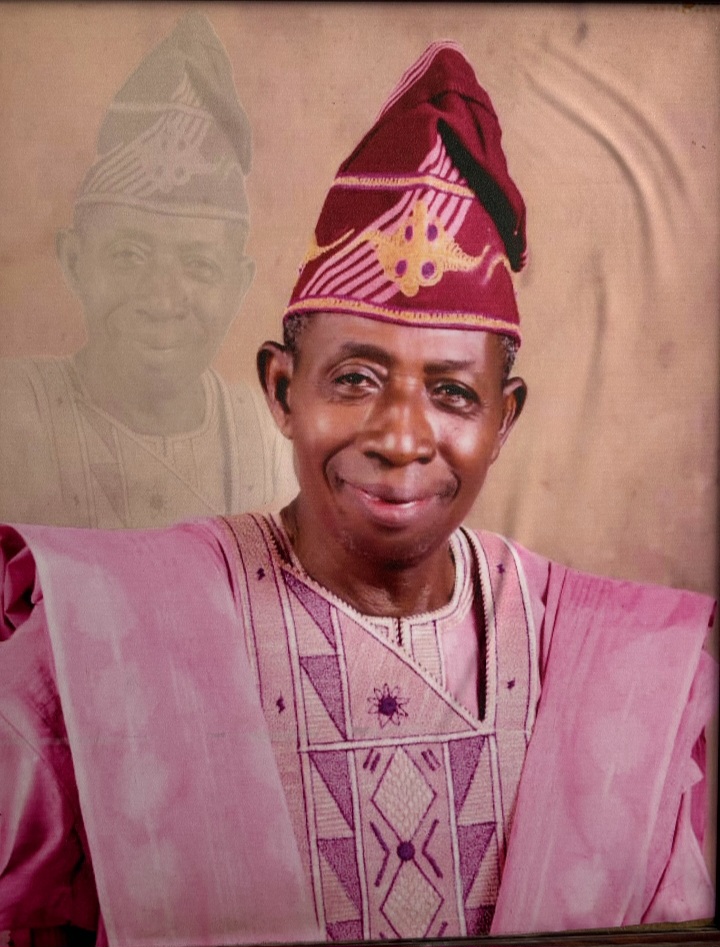
It was a day of tears, laughter, music, colour and thanksgiving in Ikorodu, Lagos State, last Friday, September 11, 2026, as family members, friends, church members, associates and well-wishers gathered in their hundreds to bid a final farewell to the late Reverend Ibikunle Oni.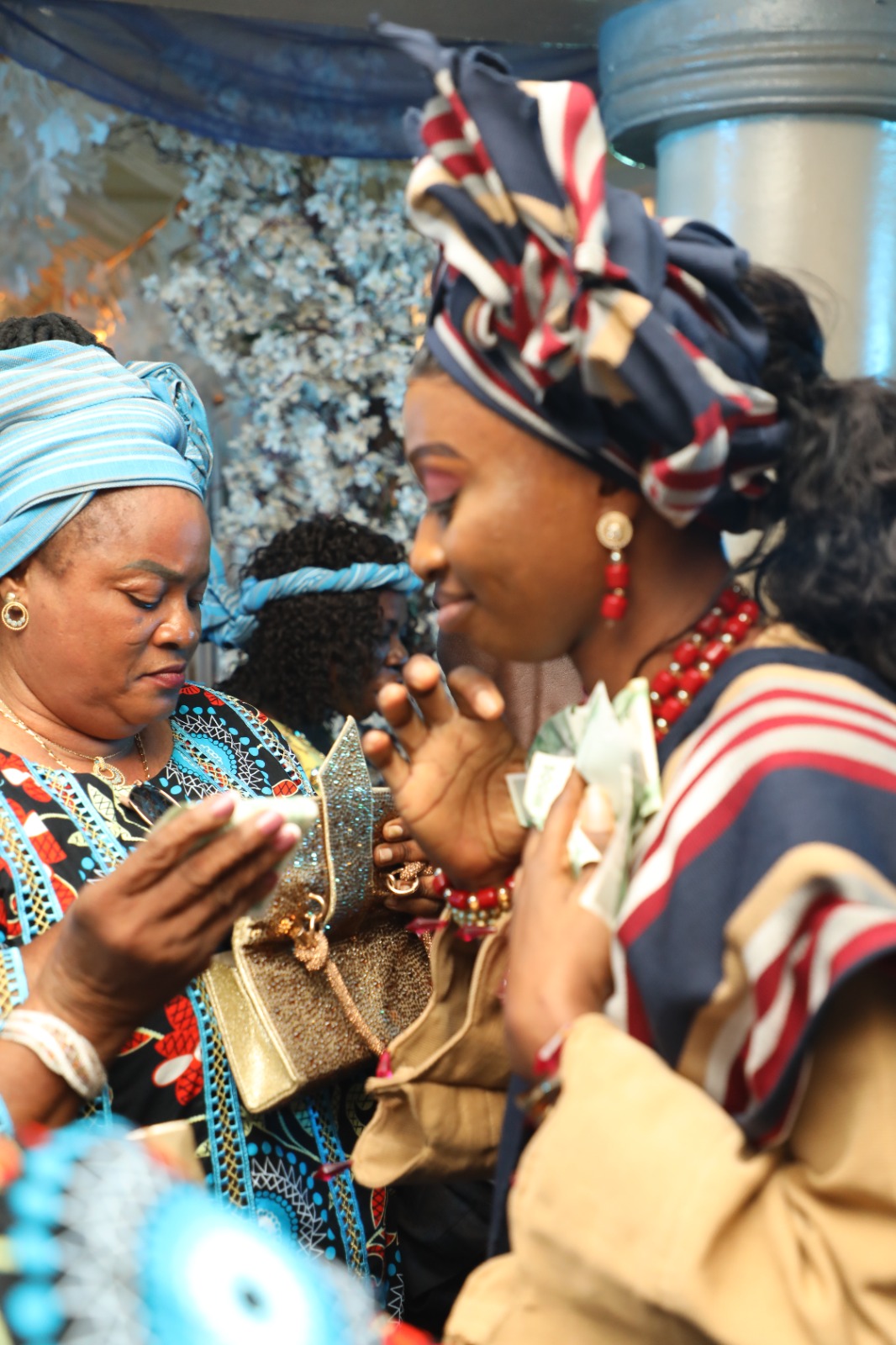
But while the occasion marked the physical departure of a beloved patriarch, clergyman and community figure, it was anything but a sombre affair. In the characteristic tradition of the Yoruba people of southwestern Nigeria, where the passage of an accomplished elder is often transformed into a celebration of a life well lived, the funeral became a magnificent expression of gratitude, fellowship and hope in the Christian promise of eternal life.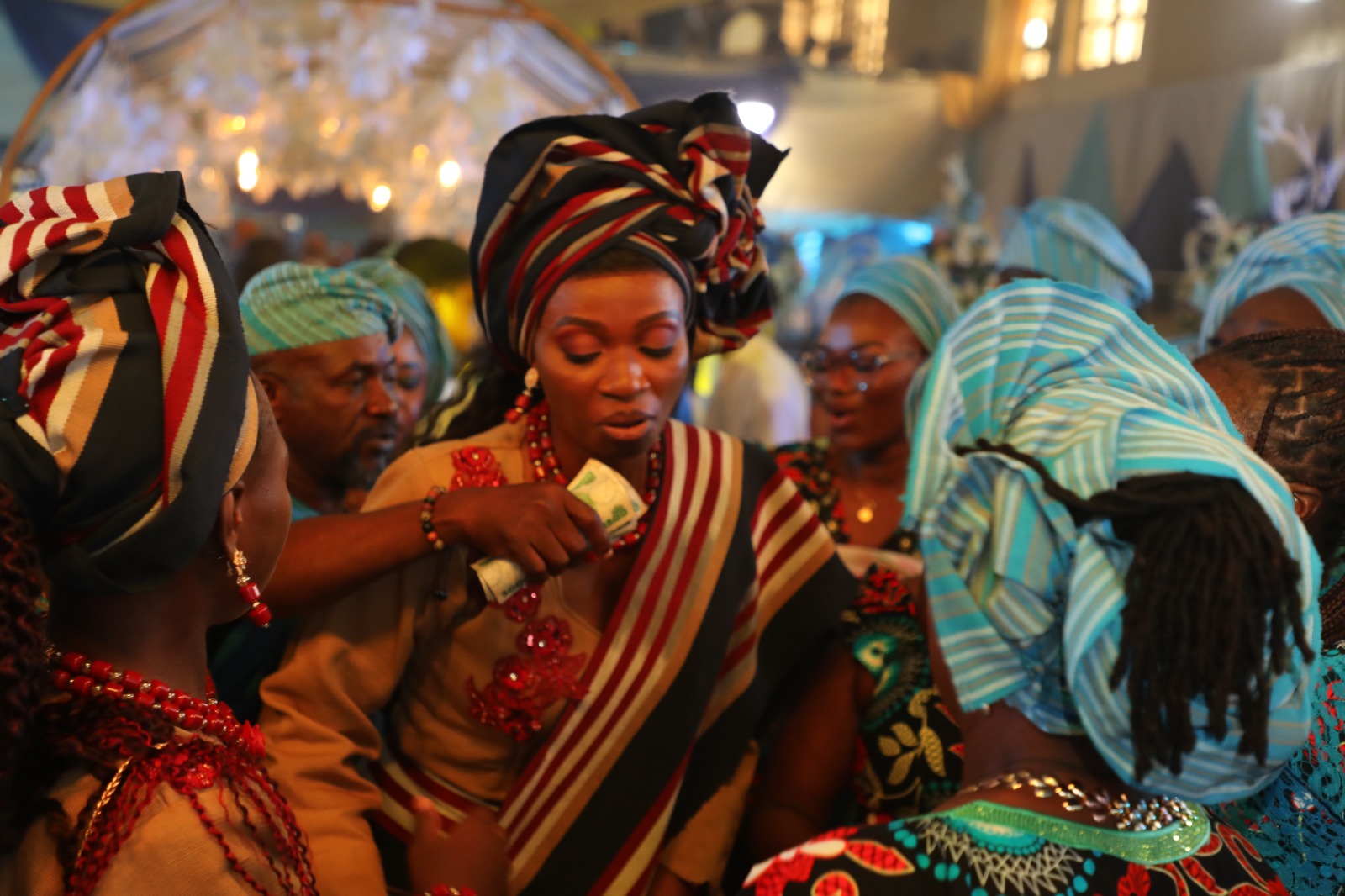
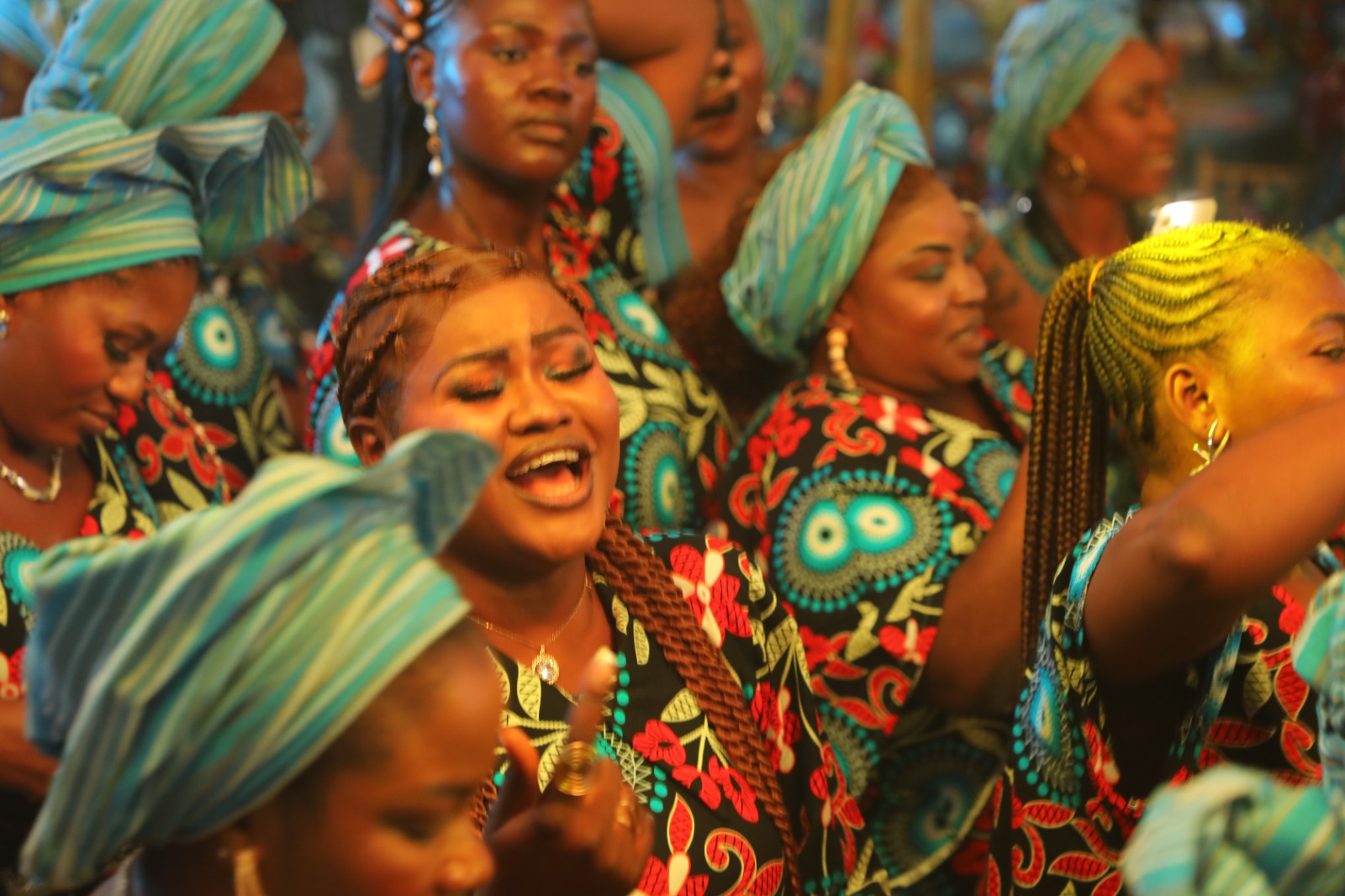
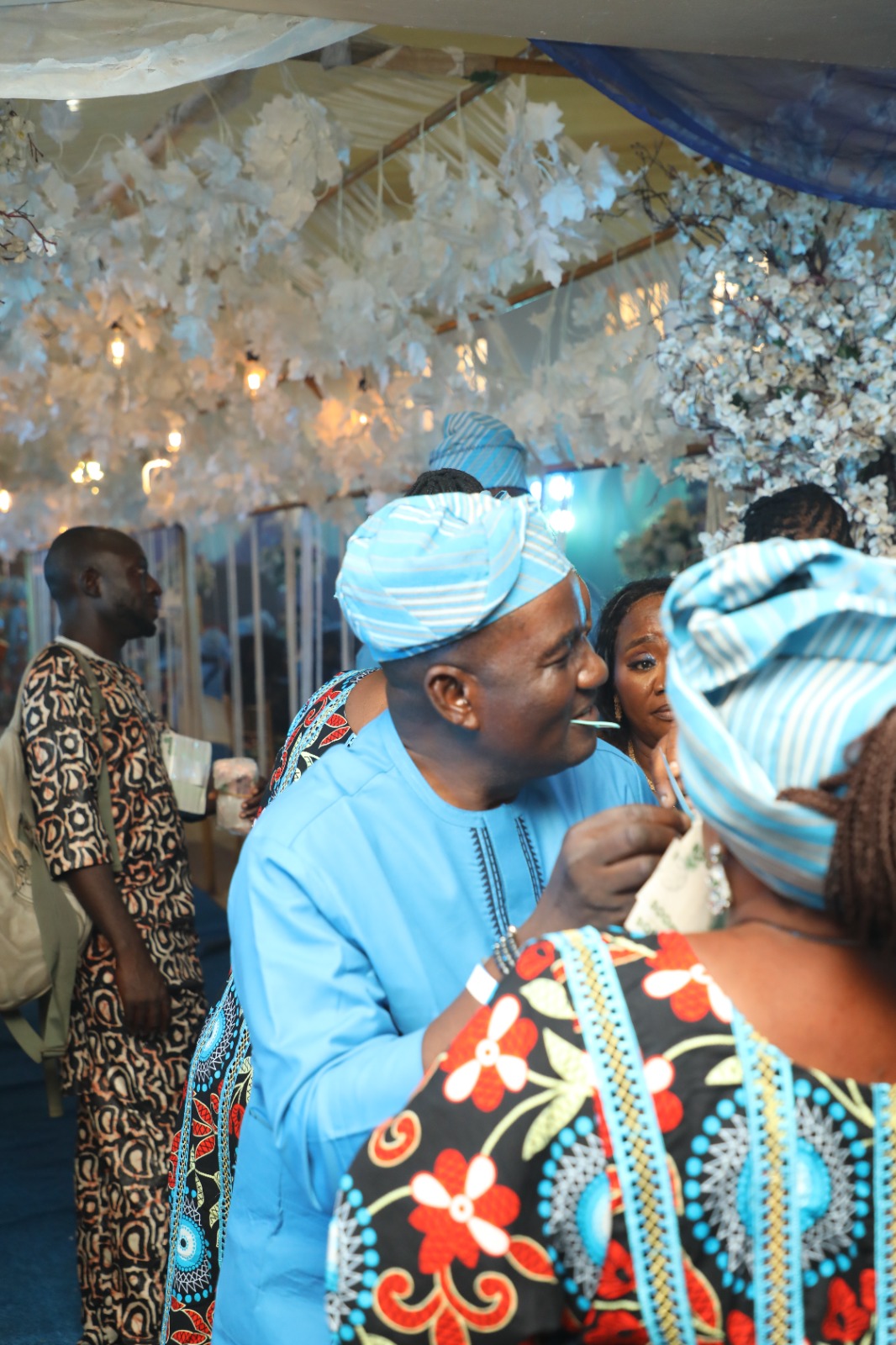
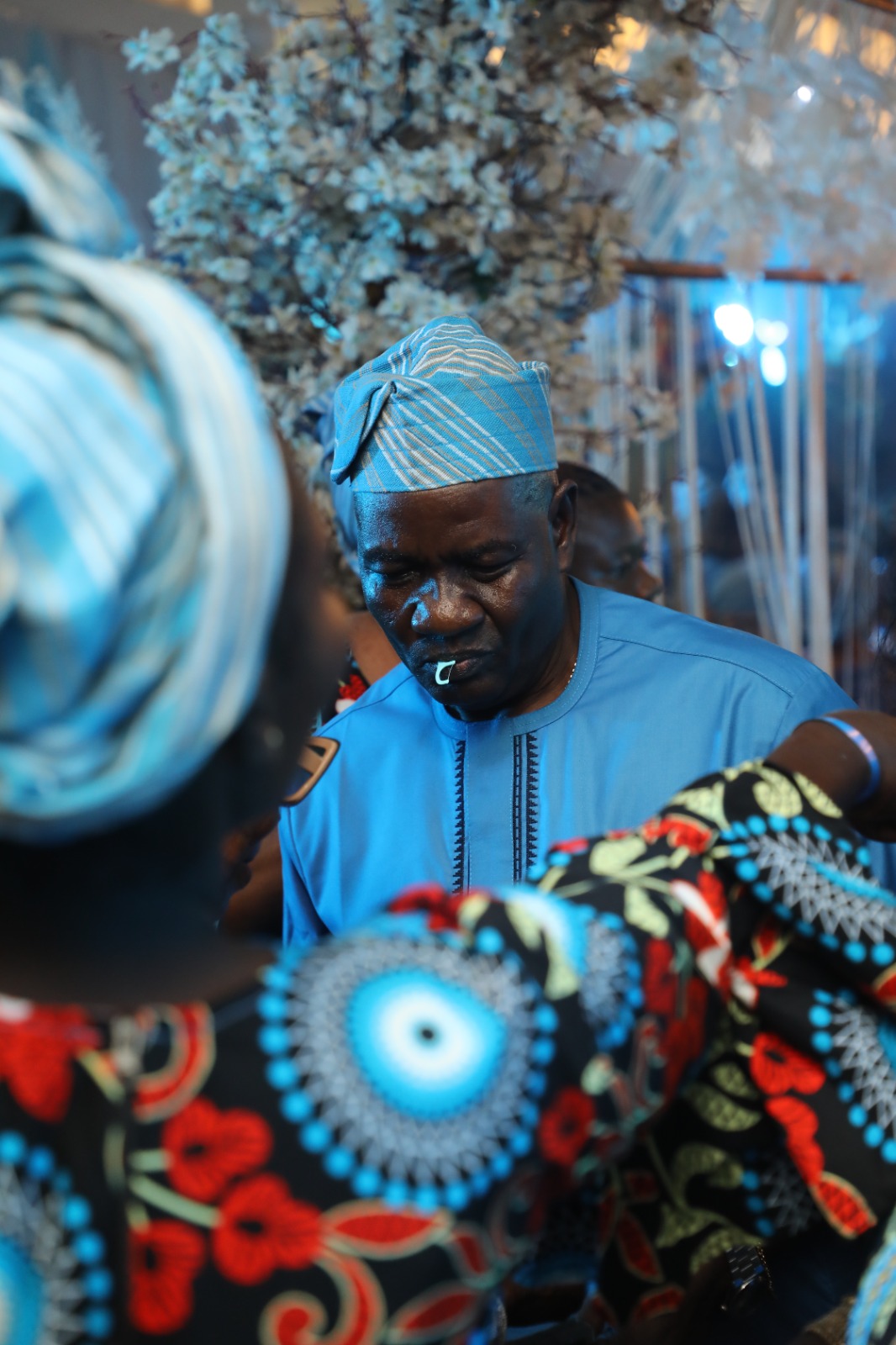
From the church service to the grand reception later in the day, the atmosphere was charged with emotion and celebration. The colourful spectacle of guests resplendent in carefully coordinated aso ebi, the melodious sounds of live band music, spontaneous dancing, singing and warm embraces combined to create an unforgettable farewell to a man whose life had touched many people.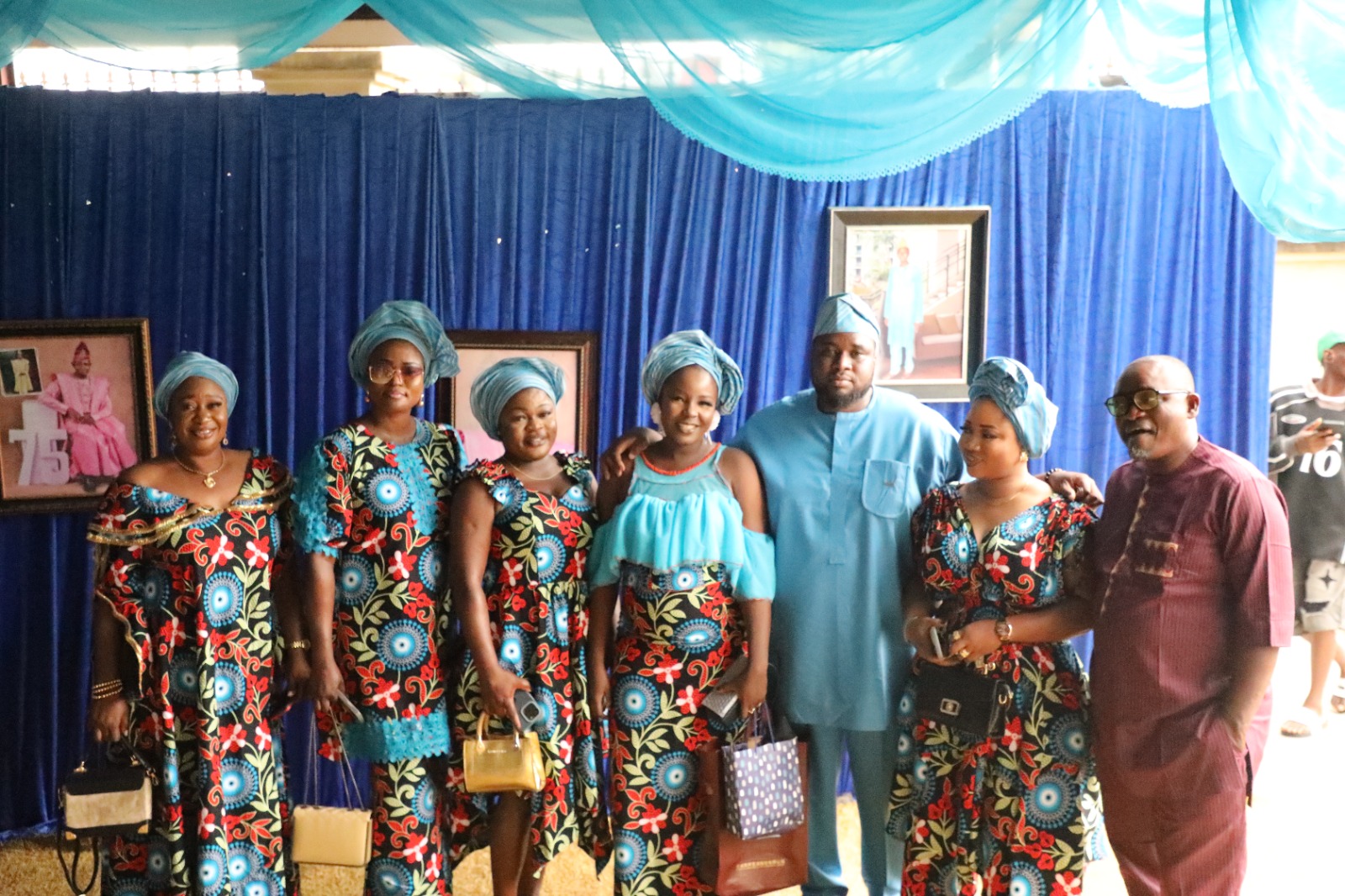
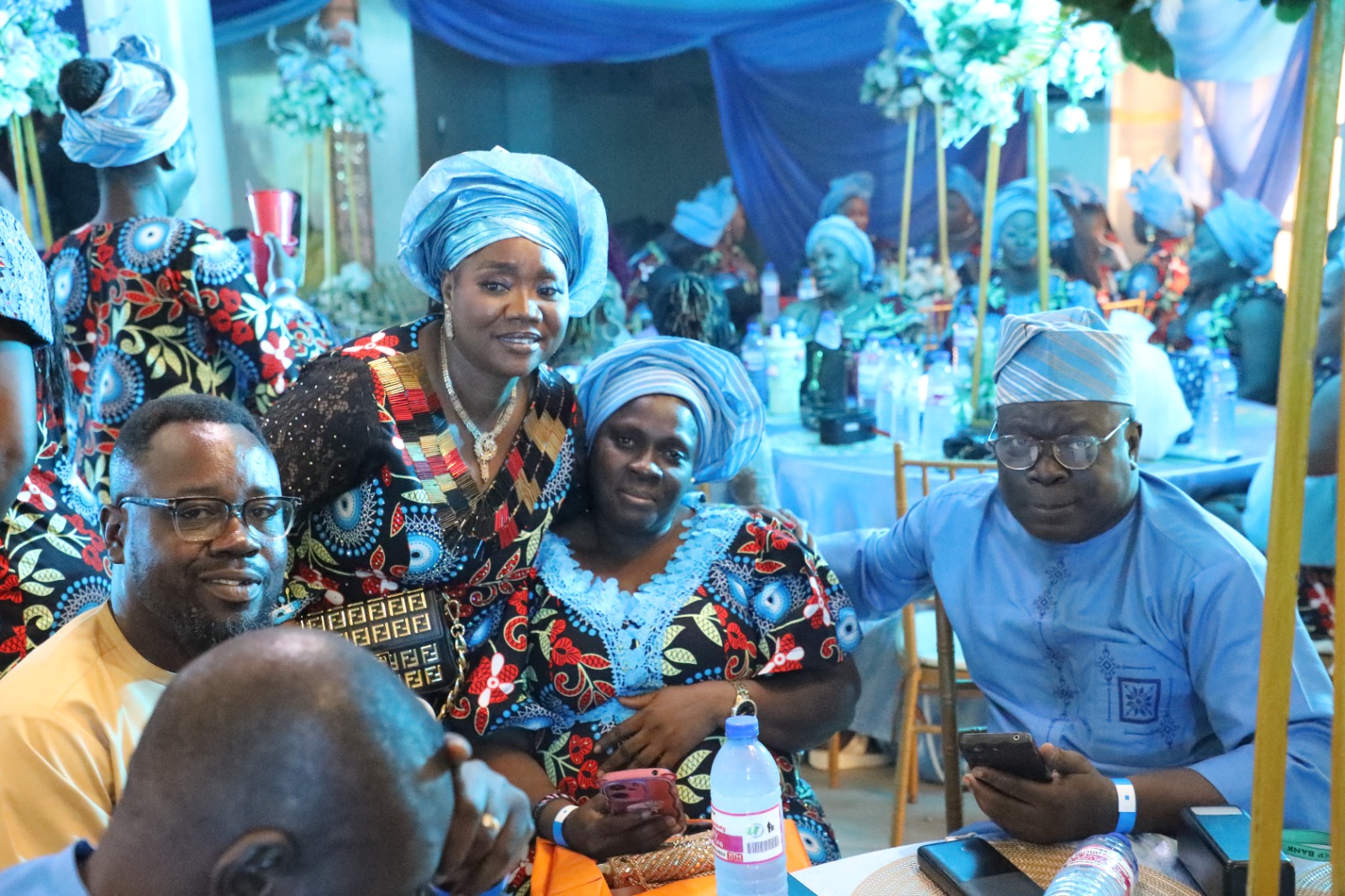
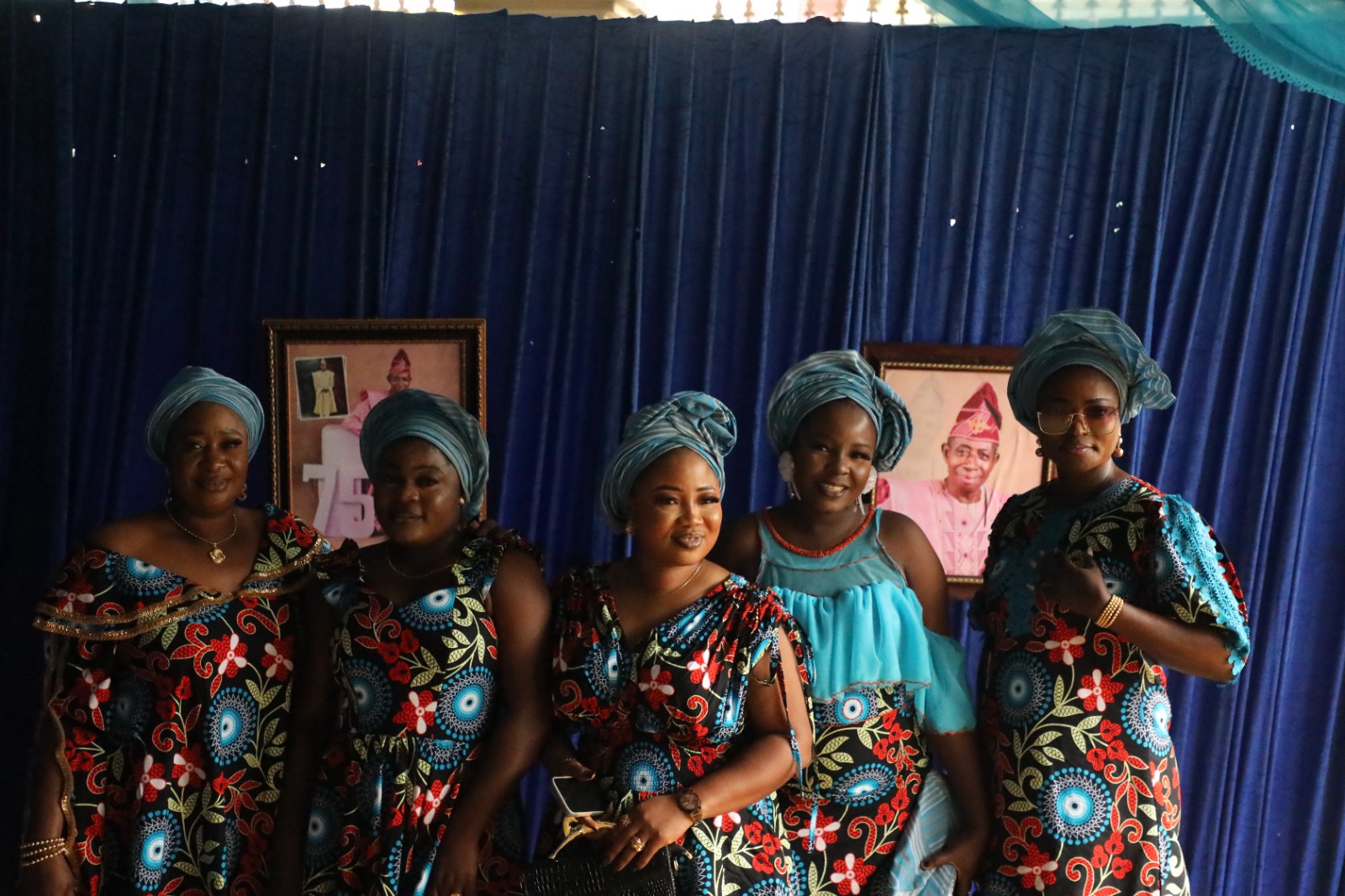
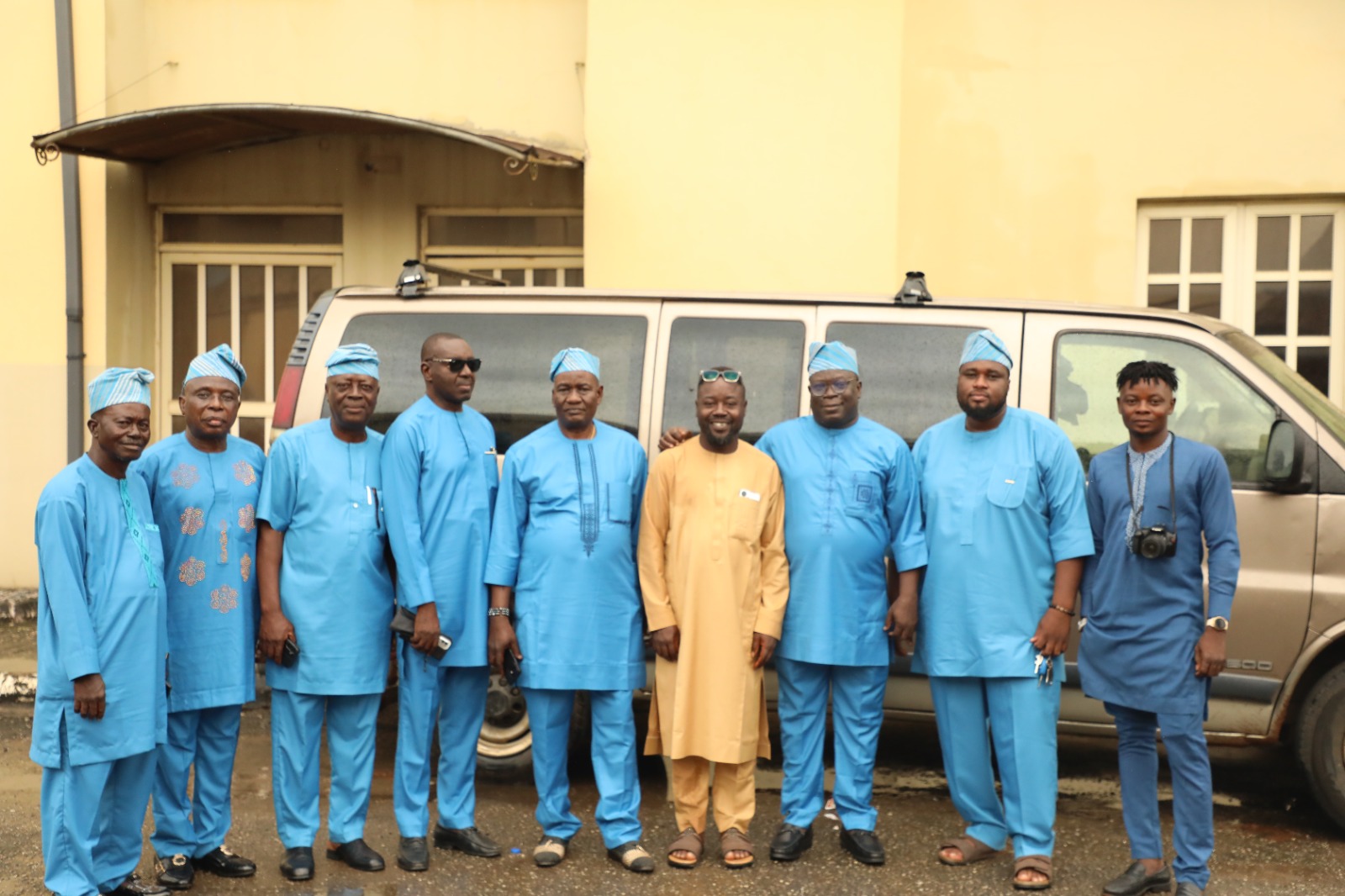
The sheer size of the gathering testified to the breadth of Reverend Oni’s relationships and the affection in which he was held. Relatives travelled from different places to join the family, while friends, former associates, church members, neighbours and well-wishers converged on Ikorodu to honour the departed.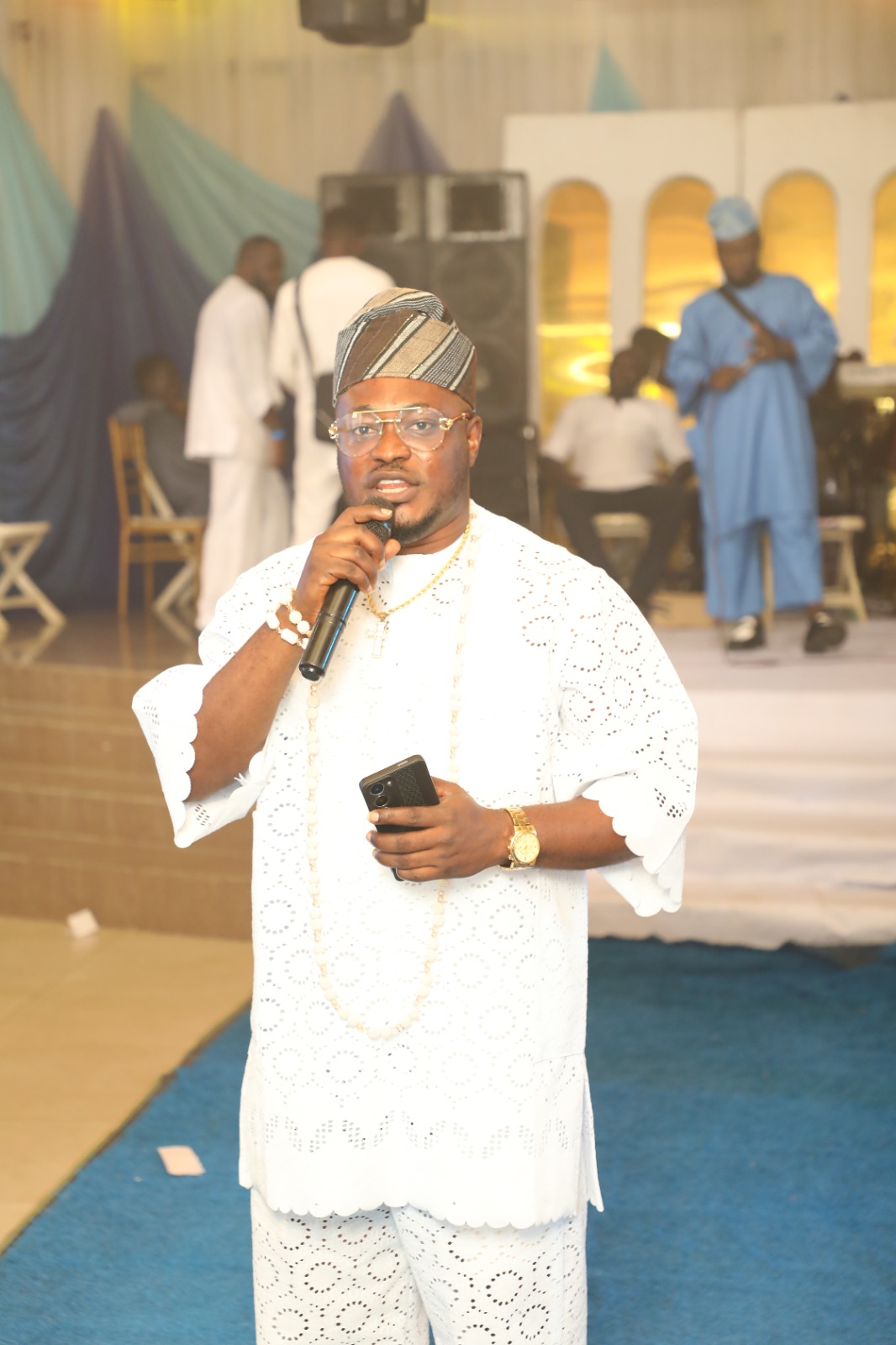
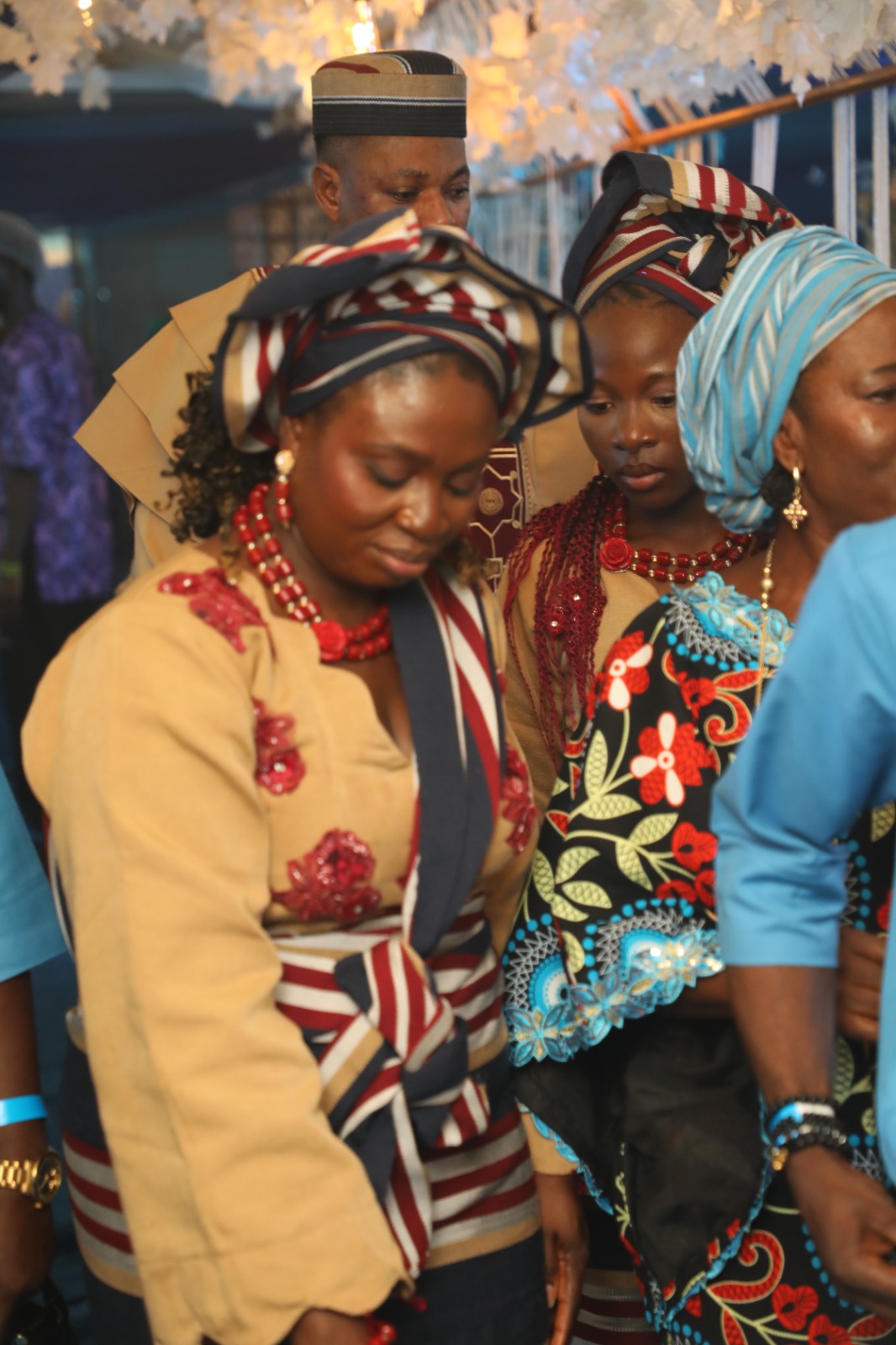
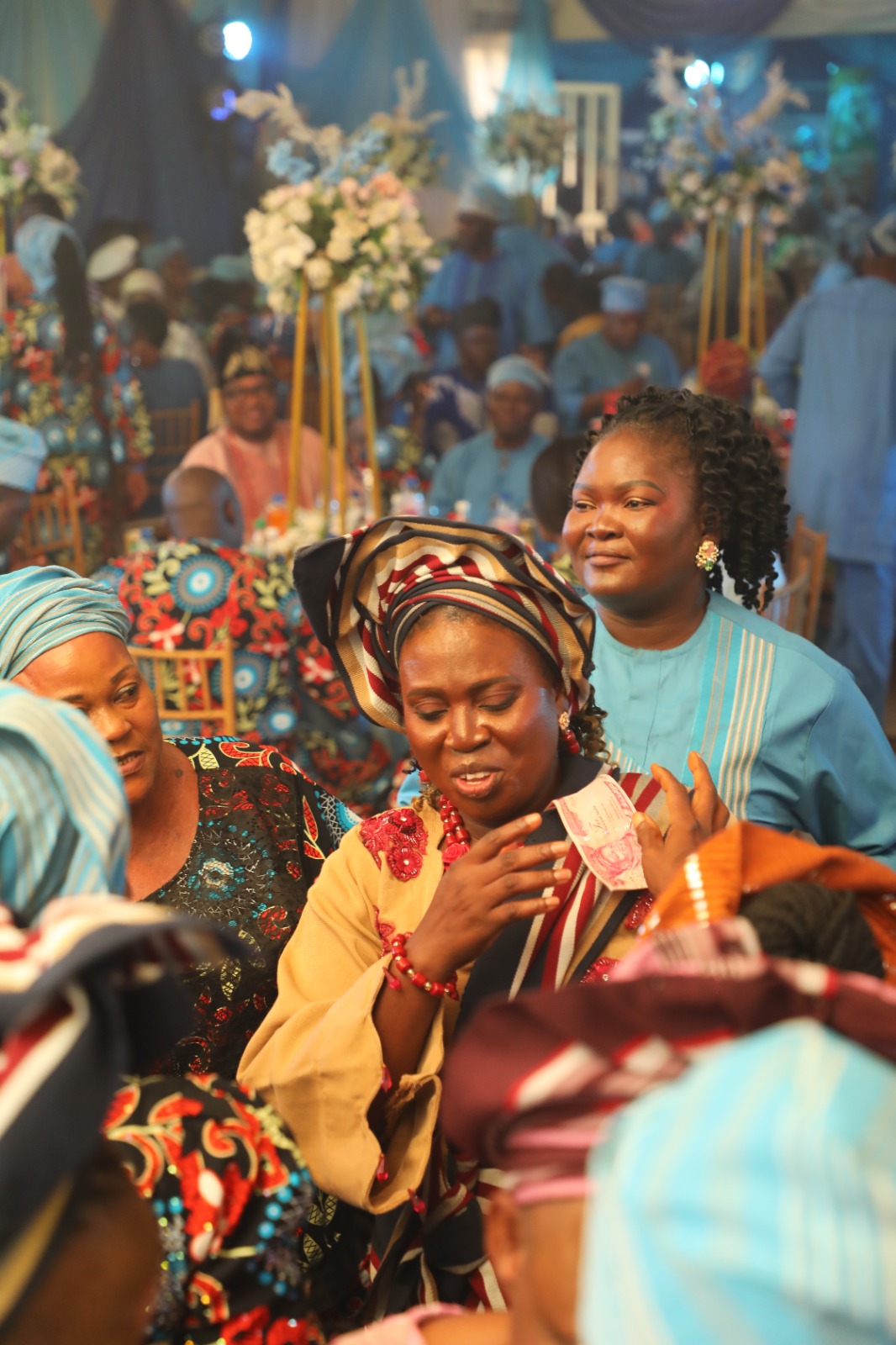 For many of those present, the funeral was not simply an occasion to mourn the dead. It was an opportunity to remember the man, celebrate his accomplishments, honour his values and give thanks to God for the years granted to him.
The church funeral service provided the spiritual foundation for the day’s activities. In an atmosphere of solemnity and thanksgiving, prayers, hymns, tributes and messages celebrated Reverend Oni’s Christian faith and the example he left behind.
The service also reflected the enduring Christian belief that death is not the ultimate end but a passage into eternity. The sorrow of separation was therefore accompanied by the consolation of faith and the assurance that those who die in Christ are received into eternal life.
For the family, the service represented an important moment of transition: saying goodbye to their father, grandfather, relative and friend while entrusting his soul to God.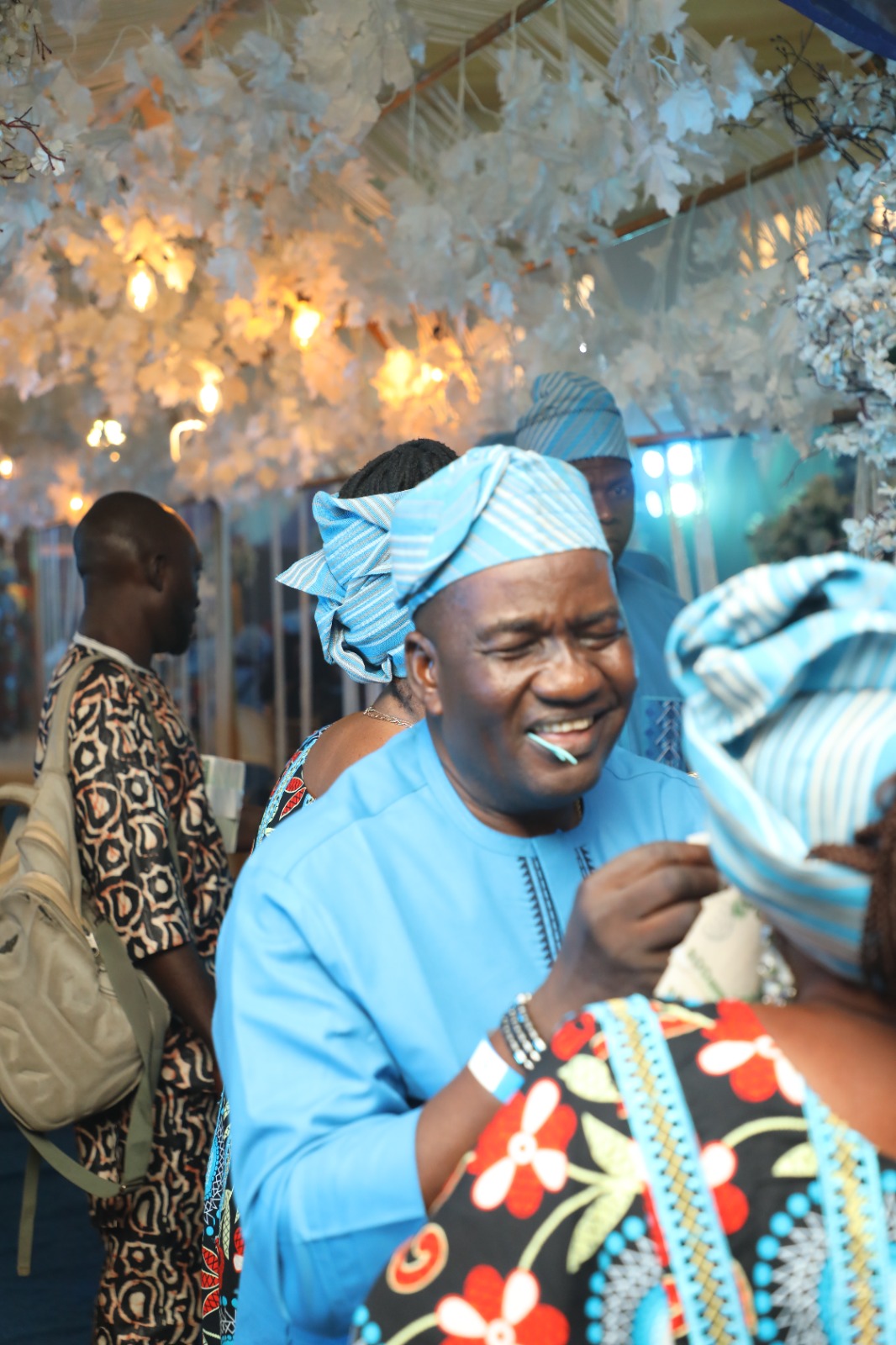

Reverend Oni’s children, including Olabisi Awoyemi, Babatunde Oni, Nwaofeh Oluwatoyin and Oluwayemisi Ogunbayo, were at the centre of the celebration, surrounded by members of the extended family and a large circle of friends and admirers.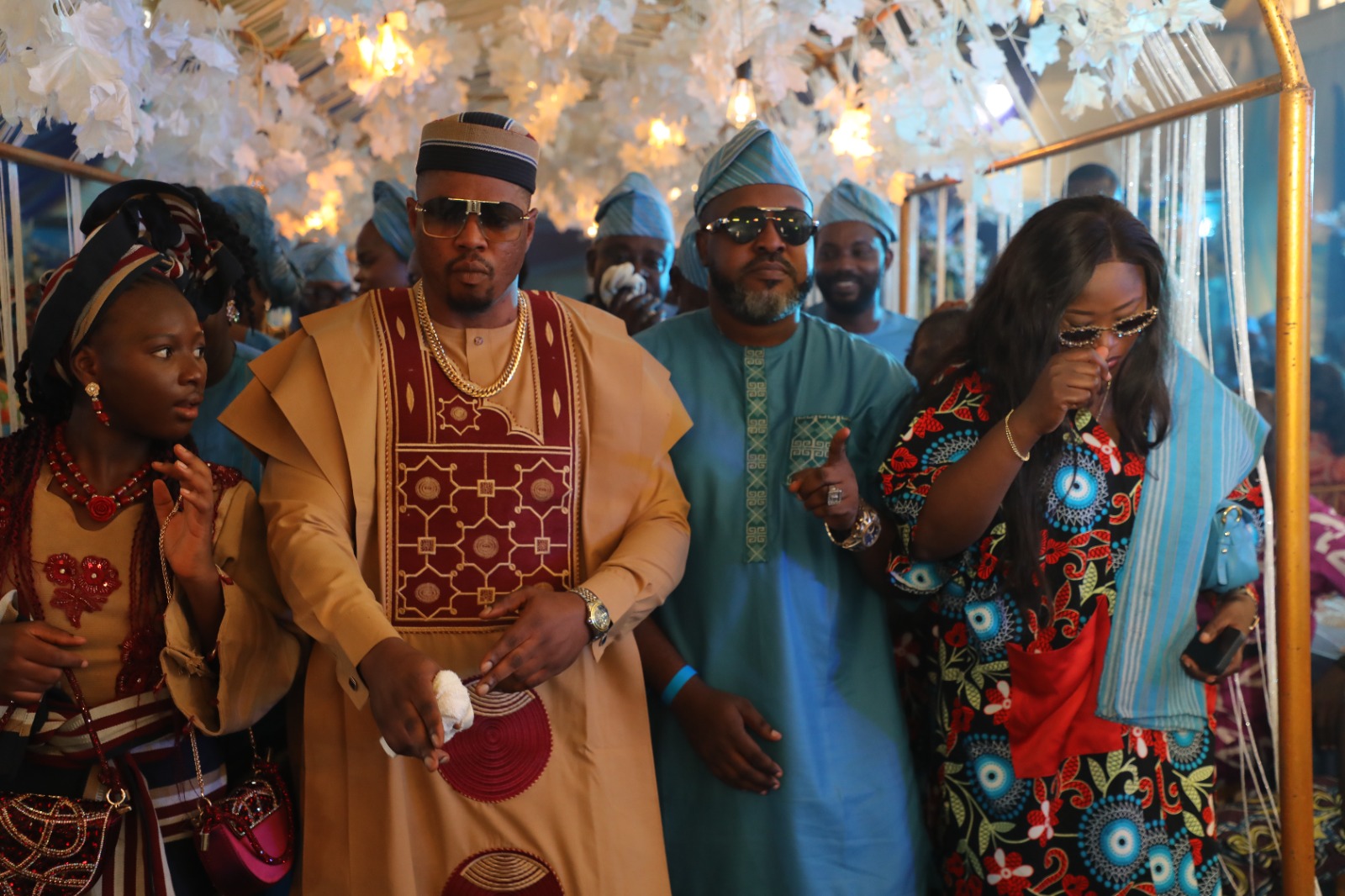
The presence of the grandchildren added another poignant dimension to the ceremony. They represented the continuation of the family line and the enduring legacy of a man whose life had become part of the history and identity of his family.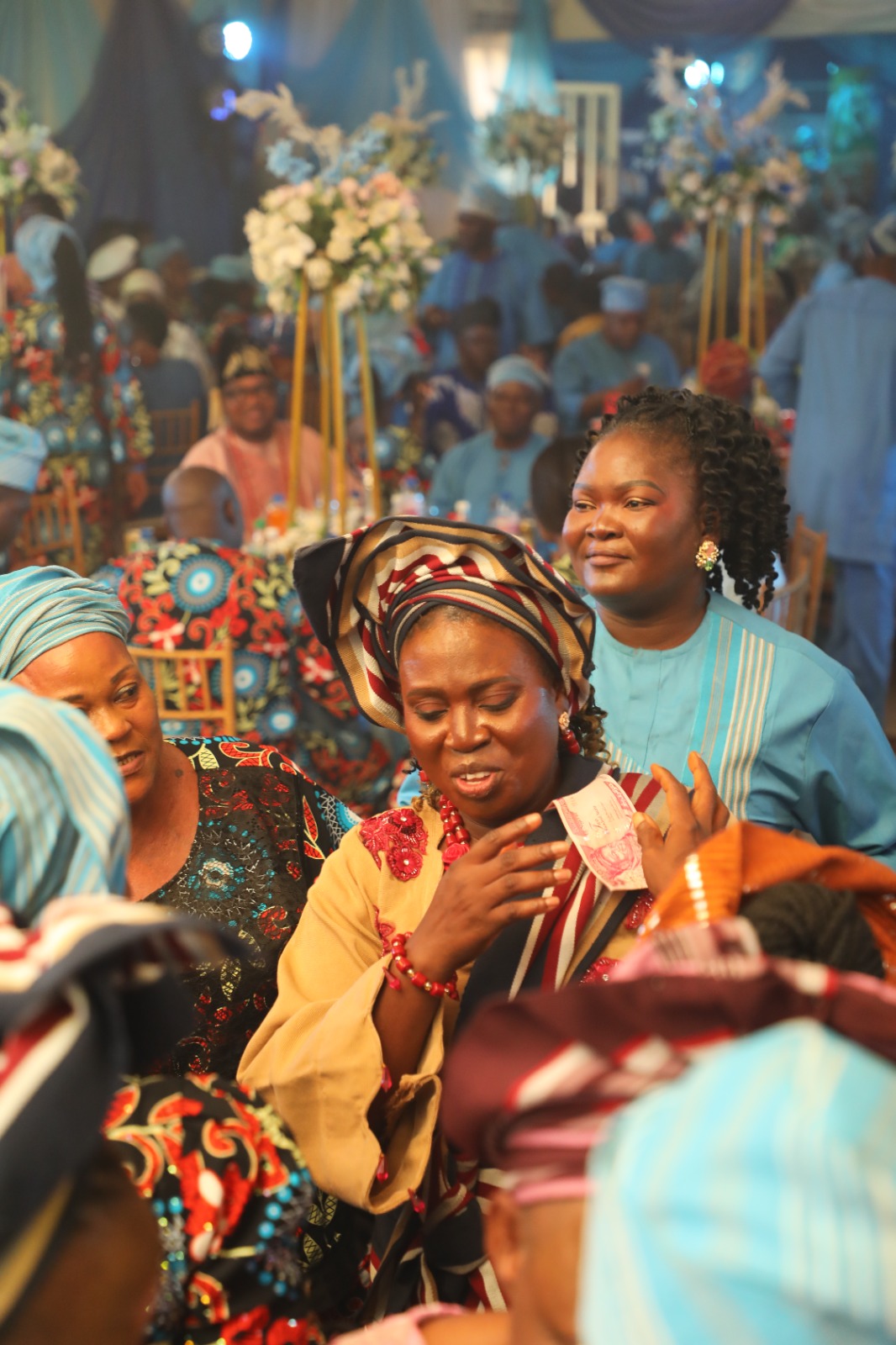
Following the church service, attention shifted to the grand reception, where the mood became markedly more celebratory.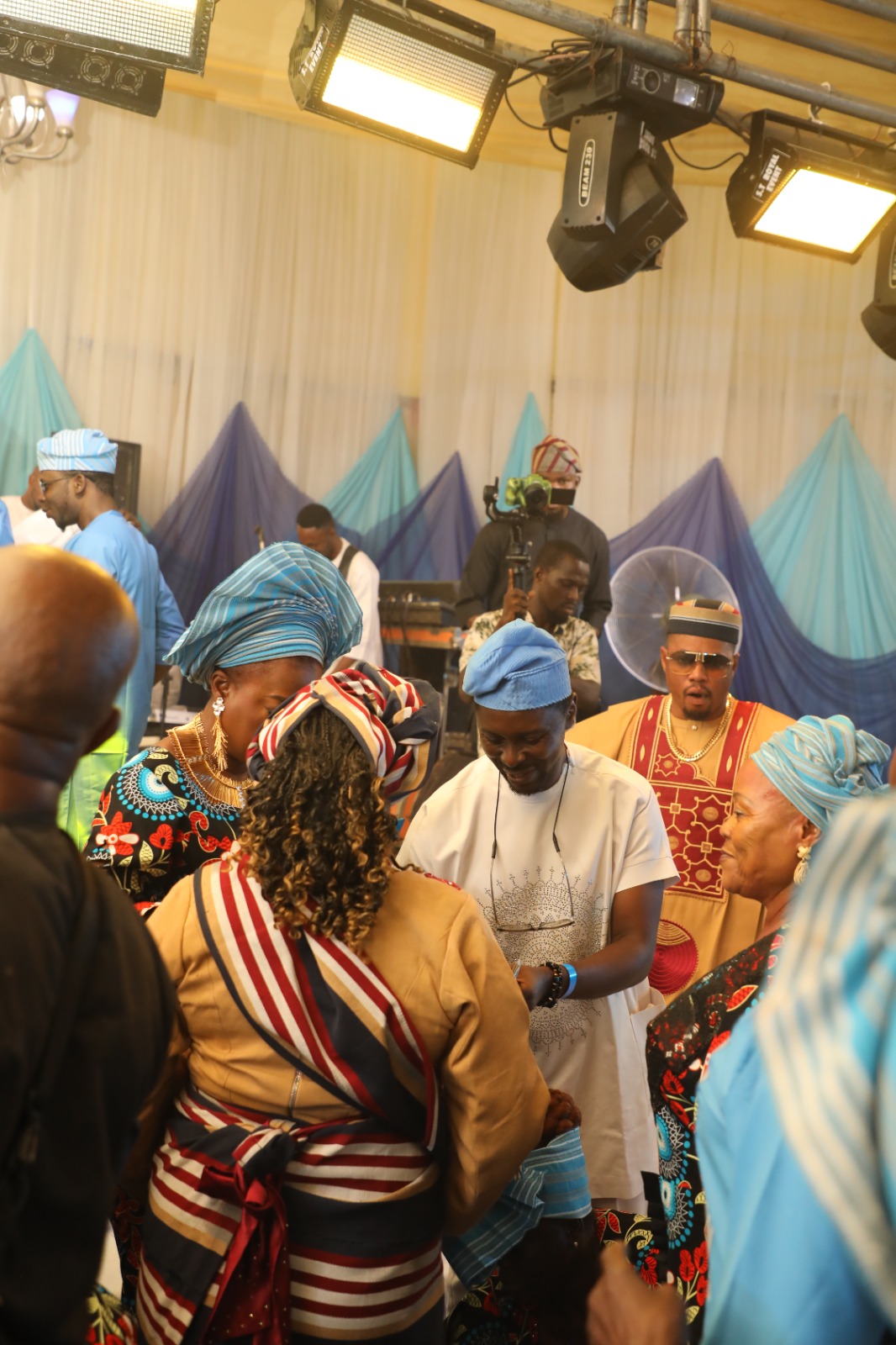
The reception offered a vivid illustration of the Yoruba understanding of a befitting farewell for an accomplished elder. Rather than allowing grief to overwhelm the gathering, family and friends chose to celebrate the memories, relationships and values that Reverend Oni left behind.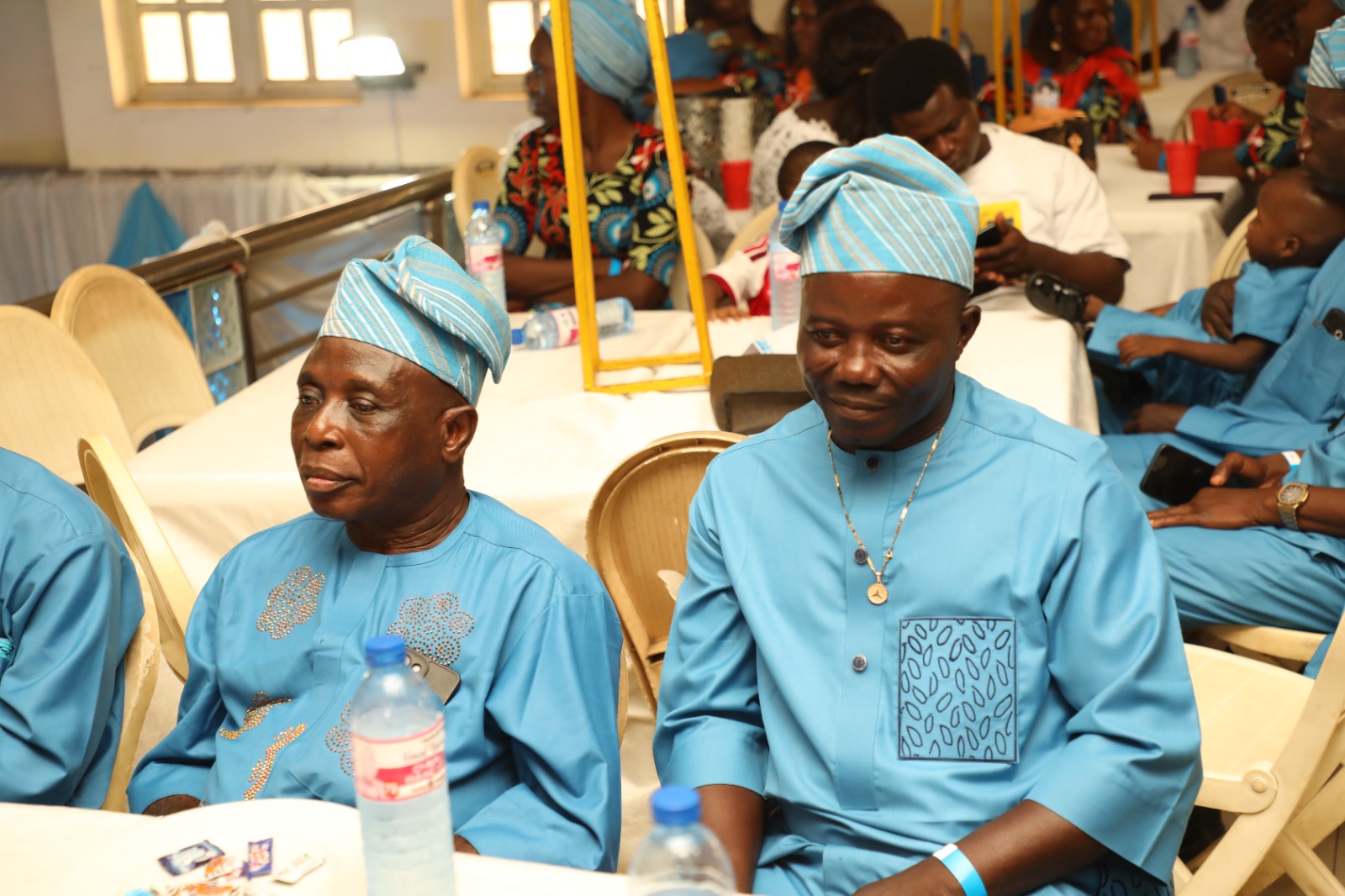
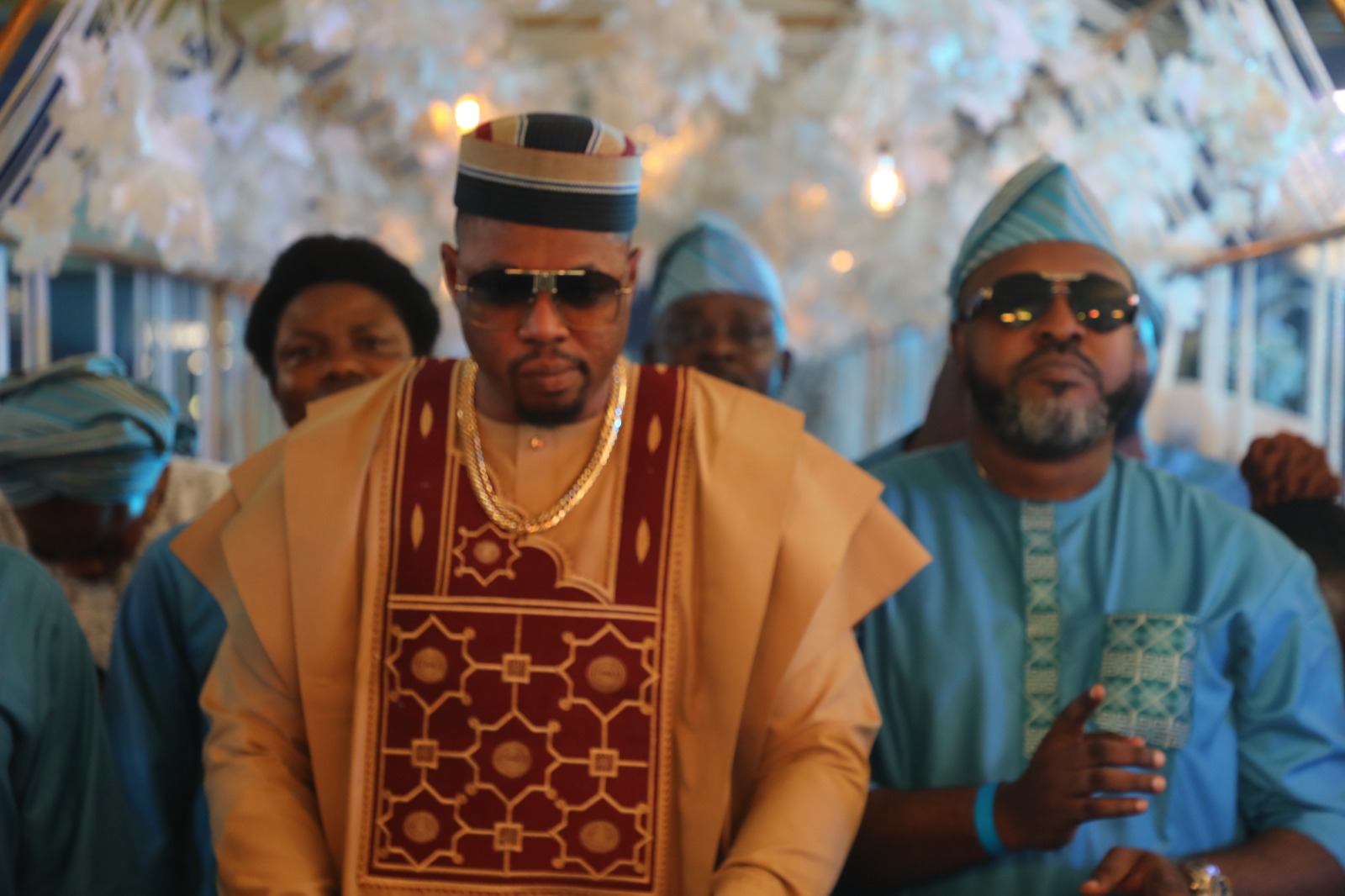
The venue came alive with colour as guests appeared in beautiful aso ebi outfits, creating a magnificent tapestry of Yoruba fashion and communal identity. Men and women, young and old, participated in the celebration, transforming the reception into a spectacular gathering of generations.
Then came the music.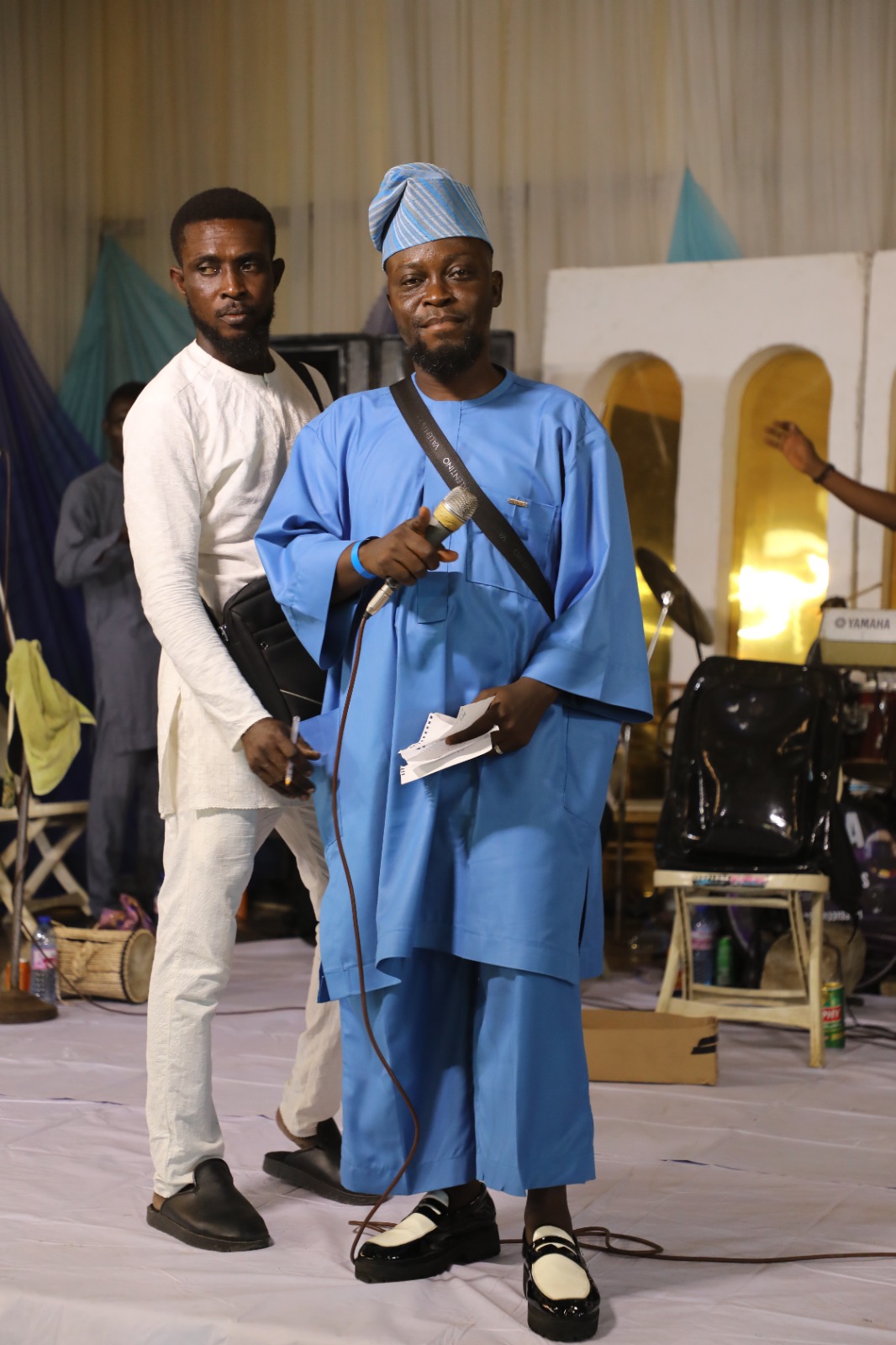
The live band provided the soundtrack to an afternoon of celebration, with familiar melodies filling the venue and drawing guests onto the dance floor. What began with a few dancers soon developed into a lively celebration as family members, friends and well-wishers danced with abandon.
There were moments when tears gave way to laughter and when memories of the departed inspired smiles rather than sorrow.
Guests sang, danced and celebrated together, demonstrating one of the most enduring characteristics of Yoruba social culture: the ability to combine grief with gratitude, solemnity with festivity and remembrance with celebration.
The dancing was particularly significant. In Yoruba tradition, the final celebration of an elder is often an affirmation that the deceased lived a meaningful life and that the community will continue to carry his memory. The dance, therefore, was not a denial of grief but an expression of thanksgiving.
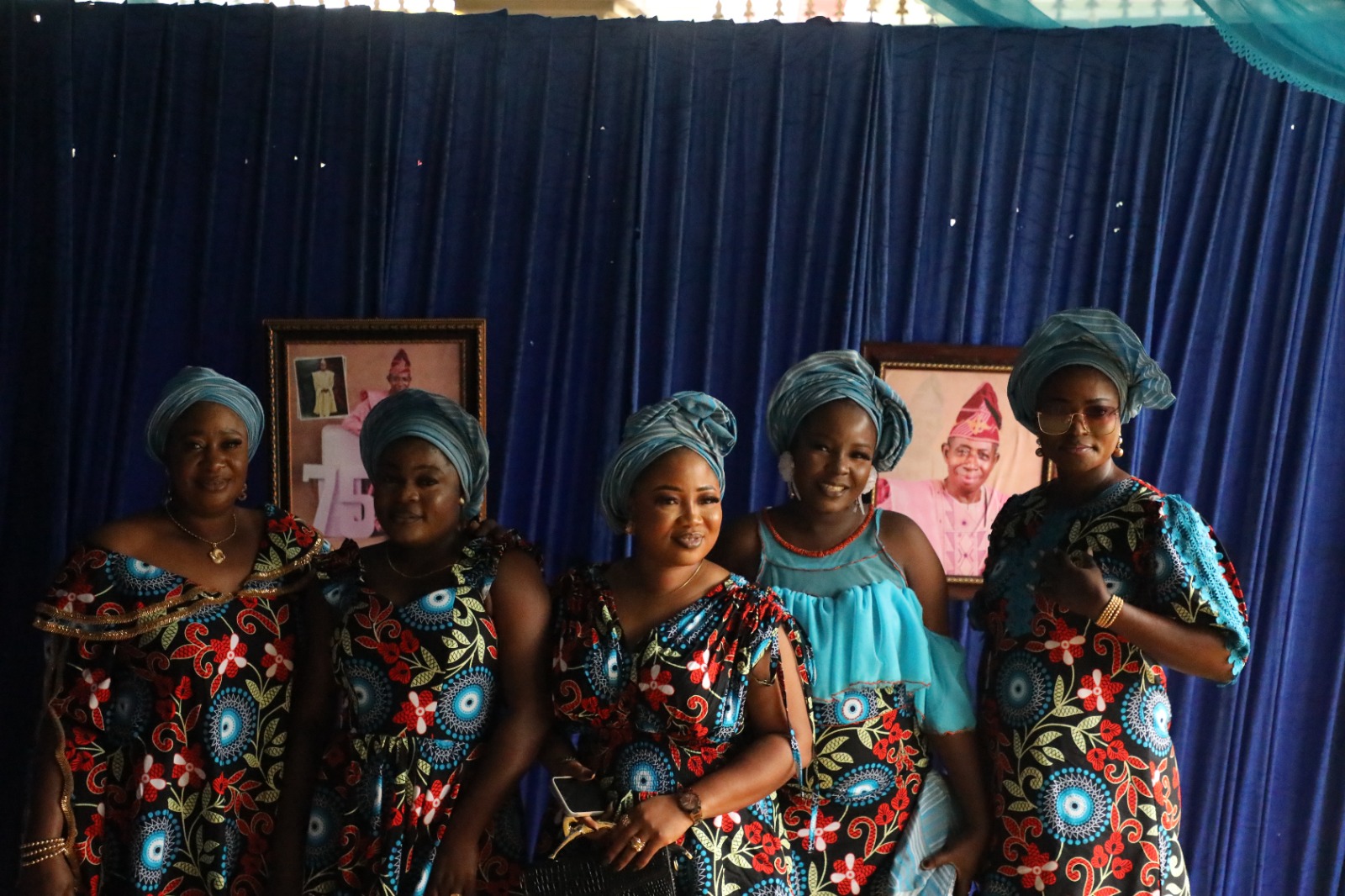

The Christian dimension of the ceremony complemented this traditional cultural expression. While the church proclaimed the hope of resurrection and eternal life, the reception celebrated the earthly journey of the deceased and the relationships he cultivated during his lifetime.
Together, the two dimensions produced a distinctly Yoruba-Christian farewell.
Throughout the day, the atmosphere reflected the dual consciousness of the gathering: sadness at the loss of a loved one and gratitude for the privilege of having shared his life.
For those who knew Reverend Oni personally, the occasion was an opportunity to recall individual memories and moments spent with him. For those who knew him through his family, church or community, it was an opportunity to identify with a family celebrating the legacy of a man who had become an important part of their lives.
The large turnout was perhaps the most eloquent tribute of all.
People do not gather in such numbers merely because a funeral invitation has been extended. They gather because the person being honoured mattered.
And on Friday, September 11, that affection was visible everywhere in Ikorodu.
From the solemnity of the church service to the exuberance of the reception, Reverend Ibikunle Oni’s final ceremonies became a powerful demonstration of the communal nature of Yoruba society. The occasion brought together generations, families, friendships and communities in a shared act of remembrance.
It was also a reminder that the legacy of an individual is rarely confined to his immediate family. It lives in the memories of friends, the values transmitted to children, the stories told by grandchildren and the relationships established over many years.
As the music played and the dancers moved across the reception venue, the message was unmistakable: Reverend Oni would be missed, but he would also be remembered with joy.
The celebration therefore became an affirmation of life itself.
There were prayers for the repose of his soul, expressions of sympathy for his family and reflections on mortality. But there was also music, colour, laughter and dancing—the familiar Yoruba response to the passing of an elder whose life deserves to be celebrated.
In the Christian tradition, the faithful look beyond the grave to eternity. In Yoruba cultural consciousness, the memory of a departed elder continues through the family and community. At Reverend Oni’s funeral, these two worldviews came together seamlessly.
The result was a farewell that was both spiritual and cultural, solemn and joyful, intimate and grand.
By the time the celebrations drew to a close, the gathering had succeeded in doing something remarkable: it had transformed a day of departure into a day of thanksgiving.
Reverend Ibikunle Oni had been ushered into eternity not only with prayers, hymns and Christian hope, but also with the warmth of family, the embrace of friends, the colours of Yoruba culture, the rhythm of live music and the joyful dance of a community determined to celebrate the gift of his life.
For his children and grandchildren, the journey of mourning will continue. But so too will the legacy.
And for everyone who gathered in Ikorodu on that memorable Friday, September 11, 2026, the farewell to Reverend Ibikunle Oni will remain a celebration of a life that mattered, a man who was loved and a legacy that will continue to live in the generations he left behind.
He came, he lived, he touched lives—and, in the end, he was celebrated home.
May his soul rest in perfect peace.
