

By Peter Omopo
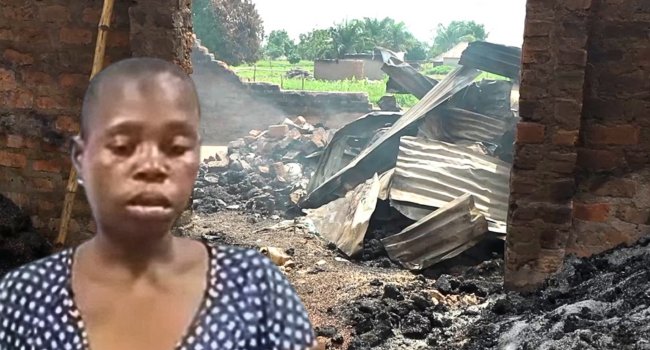
A survivor of the June 2025 Yelwata massacre in Benue State, Mrs. Msurshima Apeh, delivered an emotional testimony before the United States Congress on Thursday, recounting how she watched terrorists kill her five children during the midnight assault.
Apeh appeared virtually before the House Subcommittee on Africa during a hearing examining former U.S. President Donald Trump’s decision to return Nigeria to the Country of Particular Concern (CPC) list over allegations of ongoing religious persecution.
Describing the attack, Apeh said armed men suspected to be Fulani militants stormed the Yelwata internally displaced persons camp around 9 p.m. while families were asleep.
“We were locked inside the camp when they attacked. They were butchering people with cutlasses and shooting guns,” she said.
She told lawmakers that after the assailants killed several victims, they doused the building in petrol and set it ablaze.
Apeh said she survived by climbing a tree while witnessing the killings below.
“My five children that I left below were crying, and in my presence, they were being slaughtered by the terrorists,” she recounted, breaking down during her testimony.
She later fled into the bush, where rescue teams eventually found her and moved her to another camp.
The Yelwata attack, carried out in June 2025 by suspected armed herdsmen, left scores of civilians dead, including five security personnel—two soldiers, a police officer, and two other operatives. Homes, markets, and shelters of internally displaced persons were destroyed, with some families completely wiped out. One IDP family reportedly lost 15 members.
The scale of the killings prompted swift reactions from Nigerian authorities. President Bola Tinubu cancelled prior engagements to visit Benue State, where he met with stakeholders, visited survivors in hospitals, and promised decisive action to stabilise the region.
Inspector-General of Police Kayode Egbetokun condemned the attack as “a threat to national sovereignty,” announcing the deployment of additional personnel to vulnerable communities. He confirmed that 26 suspects linked to the massacre had been arrested.
The incident triggered widespread national outrage, with political leaders, religious institutions and civil society organisations calling for justice and more effective security measures to prevent further atrocities in the North-Central region.
