

By Peter Omopo
The Federal Government says its proposed dual policing system will bring policing closer to Nigerians while ensuring that the powers of state police are subject to professional standards, constitutional safeguards and legal restraints.
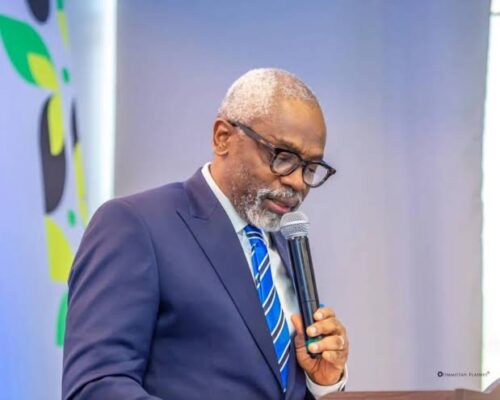
Chief of Staff to the President, Femi Gbajabiamila, stated this during a special session titled “Who Polices Nigeria?” at the 66th Annual General Conference of the Nigerian Bar Association in Port Harcourt, Rivers State.
Gbajabiamila said the administration of President Bola Tinubu was working to reform Nigeria’s policing architecture along the lines of countries such as the United States, Canada, Australia, Germany, India and Brazil, where policing responsibilities are shared between federal and constituent governments.
He, however, cautioned that decentralising policing without adequate professional standards and constitutional safeguards could replicate existing weaknesses and create opportunities for abuse at the state level.
According to him, elected governors should have a role in setting broad security priorities and securing legislative approval for resources, but should not exercise direct operational control over police officers.
“A governor elected by the people cannot be removed from responsibility for public safety. He or she may properly set broad security priorities and seek legislative approval for the resources required. Operational command is different,” he said.
Gbajabiamila stressed that no governor should have the personal authority to order the arrest of a political opponent, halt an investigation, disperse a lawful gathering or dictate how police officers conduct their duties during elections.
He disclosed that a Policy Advisory Committee had been constituted to bring together operational experience, legal expertise and independent scrutiny in the development of the proposed National Policing Bill.
The Chief of Staff said the bill would be transmitted to the National Assembly, followed by the required constitutional amendments at the state level before it is presented for presidential assent.
Gbajabiamila, who chairs the Presidential Working Group on the policing reform alongside the President of the Nigerian Bar Association, said the Federal Government was determined to establish a policing structure capable of addressing the country’s security challenges while protecting citizens’ rights.
“President Tinubu has chosen to confront a truth Nigeria postponed for too long. The present policing architecture cannot carry the full weight of this country’s security needs,” he said.
He explained that the proposed system was designed to expand policing capacity, bring security services closer to communities and ensure that every police service operates within the limits of the Constitution.
Gbajabiamila also dismissed concerns that the timing of the reform ahead of the 2027 general elections could delay the process, insisting that the need to strengthen Nigeria’s policing standards could no longer be deferred.
He said the government would continue to pursue the reforms while putting safeguards in place to prevent political interference, abuse of police powers and violations of citizens’ fundamental rights.
