

By Peter Omopo
The Federal Government’s release of a list of 48 individuals and 12 entities allegedly linked to terrorism financing has sparked widespread public demand for swift and decisive action, with security experts warning that failure to act could undermine trust in the country’s counterterrorism efforts.
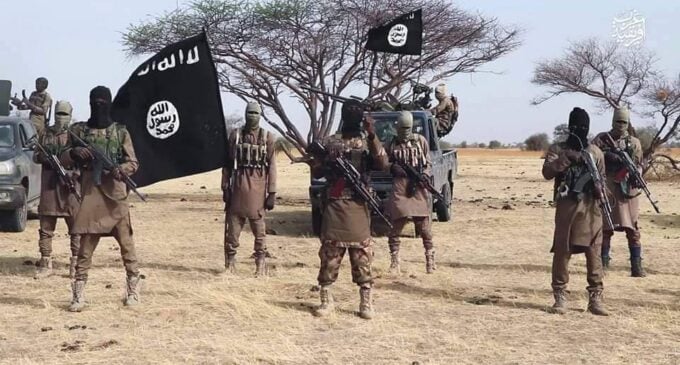
The list, published by the Nigeria Sanctions Committee, is one of the most extensive in recent years and includes notable figures such as Simon Ekpa and Tukur Mamu, alongside groups like Boko Haram, Islamic State West Africa Province, and Indigenous People of Biafra.
The development comes amid ongoing security challenges across several states, even as the government recently announced it had secured 386 convictions out of 508 terrorism-related cases prosecuted.
Security analysts have described the publication of the list as a significant step but stressed that its credibility will depend on immediate enforcement. A retired Assistant Inspector-General of Police, Salami Abduraheem, noted that the true test lies in arrests, prosecutions, and convictions.
“Publishing a list is only the beginning. If those named continue to move freely, it sends a dangerous signal about the system’s capacity or willingness to act,” he said.
Another security expert, Abdullahi Adeoye, warned that suspects may attempt to evade capture following the public disclosure, urging authorities to act quickly by freezing assets, restricting movement, and making arrests.
Concerns were also raised about Nigeria’s legal and institutional capacity to prosecute high-level terror financiers. Analyst Musa Aliyu said that while the move was long overdue, weaknesses in the criminal justice system could hinder effective prosecution.
“It shouldn’t just be about releasing names. There must be due diligence and the legal framework must be strengthened to ensure successful prosecution,” he said.
Civil society groups echoed similar sentiments, emphasising that transparency must be matched with accountability. Security governance expert Shola Muse described the move as insufficient without concrete follow-through.
“If the government is sincere, it must convince the public that it is ready to act decisively. Otherwise, it becomes a mere media exercise,” he said.
Public reactions have also reflected growing impatience, with many Nigerians calling on authorities to move beyond naming suspects to taking concrete legal action. Social media users urged the government to ensure immediate prosecution where evidence exists.
Experts outlined key measures required to ensure effectiveness, including freezing financial assets linked to suspects, conducting swift arrests, strengthening inter-agency collaboration, and ensuring transparent communication with the public.
Legal practitioners also highlighted the importance of admissible evidence in securing convictions, noting that intelligence reports alone are insufficient without financial records, witness testimony, and properly documented investigations.
Despite the challenges, the Attorney-General of the Federation, Lateef Fagbemi, recently disclosed that hundreds of terrorism-related convictions had been secured, describing the outcome as a deterrent to others.
However, experts insist that the long-term success of Nigeria’s counterterrorism strategy will depend on its ability to dismantle financing networks and ensure that those identified are brought to justice.
