

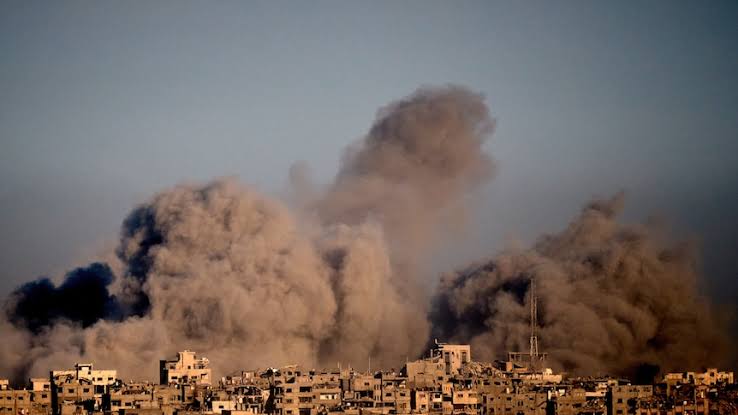
Israeli forces began a gradual withdrawal from parts of the Gaza Strip on Friday following the commencement of a ceasefire agreement aimed at halting weeks of intense hostilities in the region.
The truce, brokered through international mediation involving Egypt, Qatar, and the United States, came into effect early Friday morning, bringing a fragile calm after months of fighting that left thousands dead and widespread destruction across Gaza.
Reports from the ground indicate that Israeli troops have started pulling back from several positions in northern and central Gaza, while Palestinian residents cautiously emerged from shelters to assess damage and search for food and water.
The Israeli Defense Forces (IDF) said the withdrawal was part of a “phased repositioning” following the ceasefire agreement, though it maintained that troops would “remain vigilant” and respond to any violations by militant groups.
Hamas officials, meanwhile, confirmed adherence to the ceasefire, calling it a “victory for the Palestinian resistance” and urging for the swift delivery of humanitarian aid and reconstruction materials to the war-torn enclave.
The United Nations and humanitarian agencies have welcomed the development, describing the truce as a critical step toward addressing the deepening humanitarian crisis in Gaza, where hospitals, schools, and residential areas have suffered extensive damage.
UN Secretary-General António Guterres urged both sides to “exercise maximum restraint” and use the ceasefire period to pave the way for lasting peace talks.
International observers say the success of the truce will depend largely on mutual trust, the flow of humanitarian assistance, and the prevention of retaliatory attacks.
As calm tentatively returns to Gaza, thousands of displaced families are hoping the ceasefire will hold long enough for them to rebuild their lives.
