

By Peter Omopo
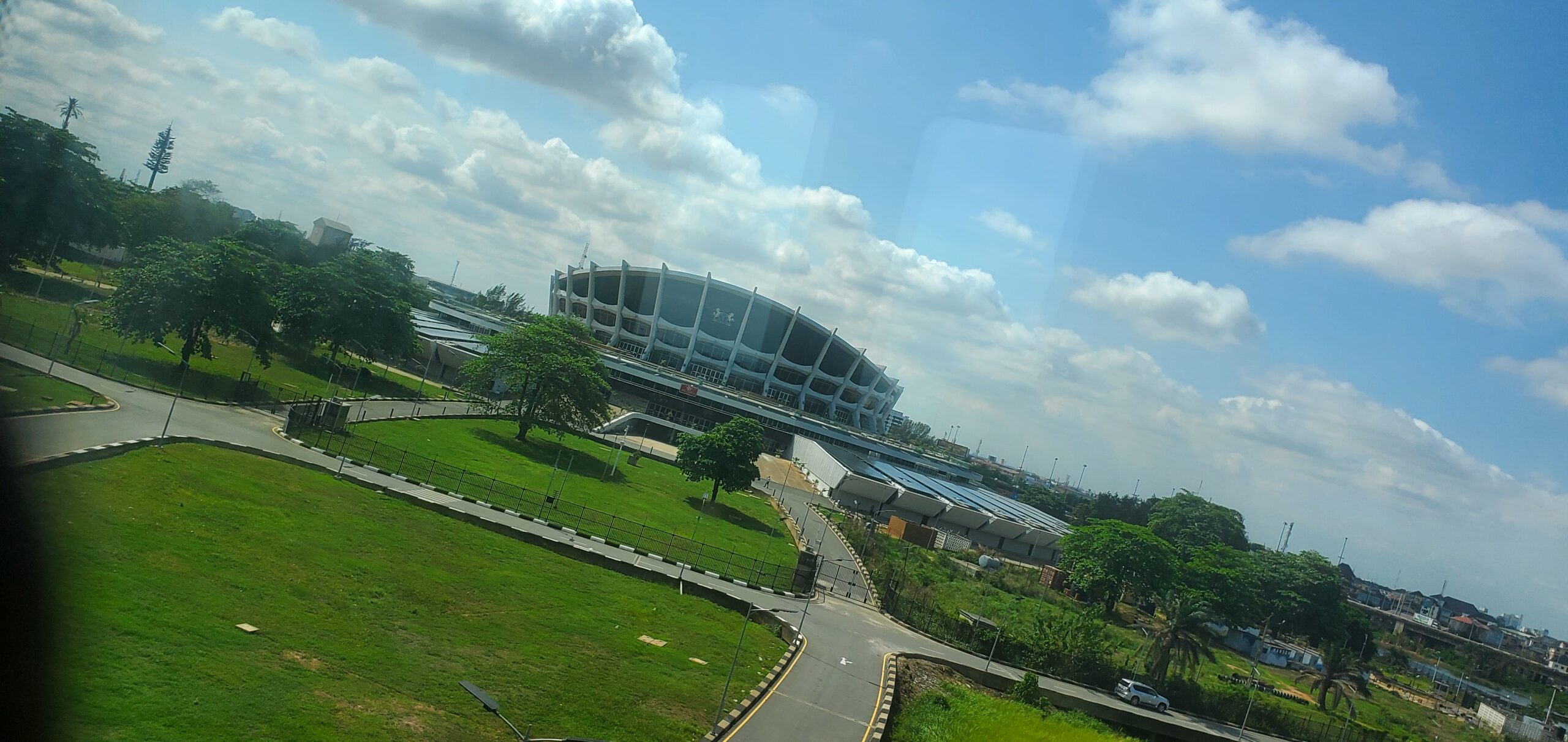
October 3, 2025 – LAGOS – Nearly five decades after hosting the historic FESTAC ’77, the National Theatre in Lagos has reopened following a major renovation and has been renamed the Wole Soyinka Centre for Culture and Creative Arts, in honour of Africa’s first Nobel Laureate in Literature.
The unveiling, held on Wednesday, October 1, as part of Nigeria’s 65th Independence Day celebrations, attracted President Bola Tinubu, his wife Senator Oluremi Tinubu, Lagos State Governor Babajide Sanwo-Olu, Senate President Godswill Akpabio, Speaker of the House of Representatives Tajudeen Abbas, Central Bank Governor Olayemi Cardoso, Minister of Arts, Culture and Creative Economy Hannatu Musawa, as well as renowned playwright Professor Wole Soyinka himself.
Security was tight as guests arrived at the refurbished complex, which has undergone a ₦68bn facelift funded by the Central Bank of Nigeria (CBN), the Bankers’ Committee, Lagos State Government, and the Ministry of Arts, Culture and the Creative Economy.
Governor Sanwo-Olu, in his keynote speech, described the reopening as “the heartbeat of Nigeria’s creative soul,” recalling the glory of FESTAC ’77 and praising Soyinka’s literary legacy. “This landmark is more than concrete and steel; it is the foundation upon which identity, unity, and progress are built,” he said.
The evening featured spectacular performances by the National Troupe of Nigeria, Gerald Eze Ensemble, MudArt House Company, and Bolanle Austen-Peters’ BAP Productions, including a vibrant re-creation of Fela Kuti’s Kalakuta Republic.
Professor Soyinka, honoured with the renaming of the edifice, lightheartedly accused President Tinubu of “laying an ambush” to bestow the tribute despite his known reservations about naming institutions after individuals. “This netted yet another victim,” Soyinka joked, before expressing hope that the centre would inspire future generations of African theatre.
Cardoso praised the collaboration behind the renovation, highlighting the Bankers’ Committee’s ₦68bn contribution as “a deliberate investment in Nigeria’s cultural future.” He also paid tribute to the late Access Holdings CEO Herbert Wigwe, who was a key supporter of the project before his passing in 2024.
In his closing remarks, President Tinubu dismissed Soyinka’s claims of conspiracy. “There was no conspiracy anywhere. I did it,” he said, drawing laughter from the audience. Tinubu also hailed the centre as a symbol of Nigeria’s cultural pride, remarking, “Today is an evening well spent.”
With its upgraded facilities, modern art installations, and renewed vision, the Wole Soyinka Centre for Culture and Creative Arts is expected to serve as a hub for theatre, music, dance, and creative innovation in Nigeria and across Africa.
