

By Peter Omopo | September 17, 2025
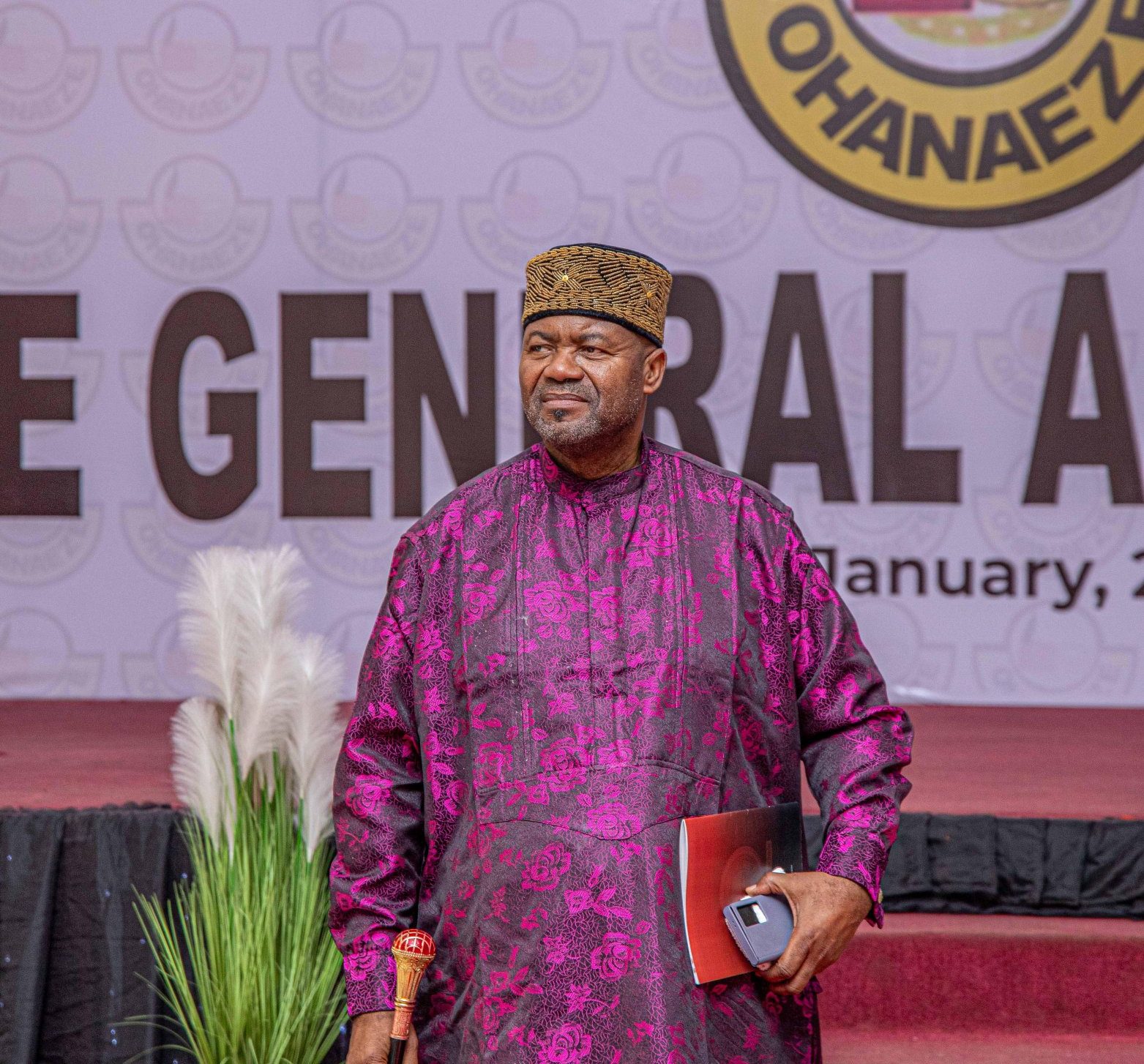
The President General of Ohanaeze Ndigbo Worldwide, Senator John Azuta-Mbata, has appealed to the Federal Government to release the detained leader of the Indigenous People of Biafra (IPOB), Nnamdi Kanu, to enable him access proper medical care.
Azuta-Mbata made the call in a video message shared with journalists on Thursday, stressing that the prolonged detention of Kanu offered no real advantage to the Nigerian state.
“The Government has no serious advantage in keeping him. It is important that the Government ensures his safety and his welfare, and that the Government must allow him to go and get medical treatment as quickly as possible,” he said.
Kanu, who faces charges of treasonable felony, was first arrested in 2015 but fled the country in 2017 after being granted bail. He was rearrested in Kenya in June 2021 in a controversial operation by Nigerian security operatives and has since remained in the custody of the Department of State Services (DSS).
Azuta-Mbata also urged the Federal Government to consider adopting a political solution in handling Kanu’s case, warning that his continued detention only deepens divisions without resolving the underlying issues.
Mobilising Ndigbo for voter registration
Beyond the appeal for Kanu’s release, the Ohanaeze president also called on Igbos across Nigeria to take part in the ongoing continuous voter registration exercise and obtain their Permanent Voter Cards (PVCs).
“I’m calling upon Ndigbo, wherever you are in Nigeria, to quickly go and take advantage of the voter registration exercise. Go and get your cards as quickly as possible,” he urged.
A long-running political flashpoint
Kanu’s detention has remained one of Nigeria’s most contentious political and security issues. His trial has been adjourned several times amid growing calls from political, cultural, and religious leaders in the South-East for a negotiated settlement.
While the Federal Government has insisted on pursuing the legal process, groups like Ohanaeze have continued to advocate dialogue, warning that ignoring political solutions risks exacerbating tensions in the region.
